
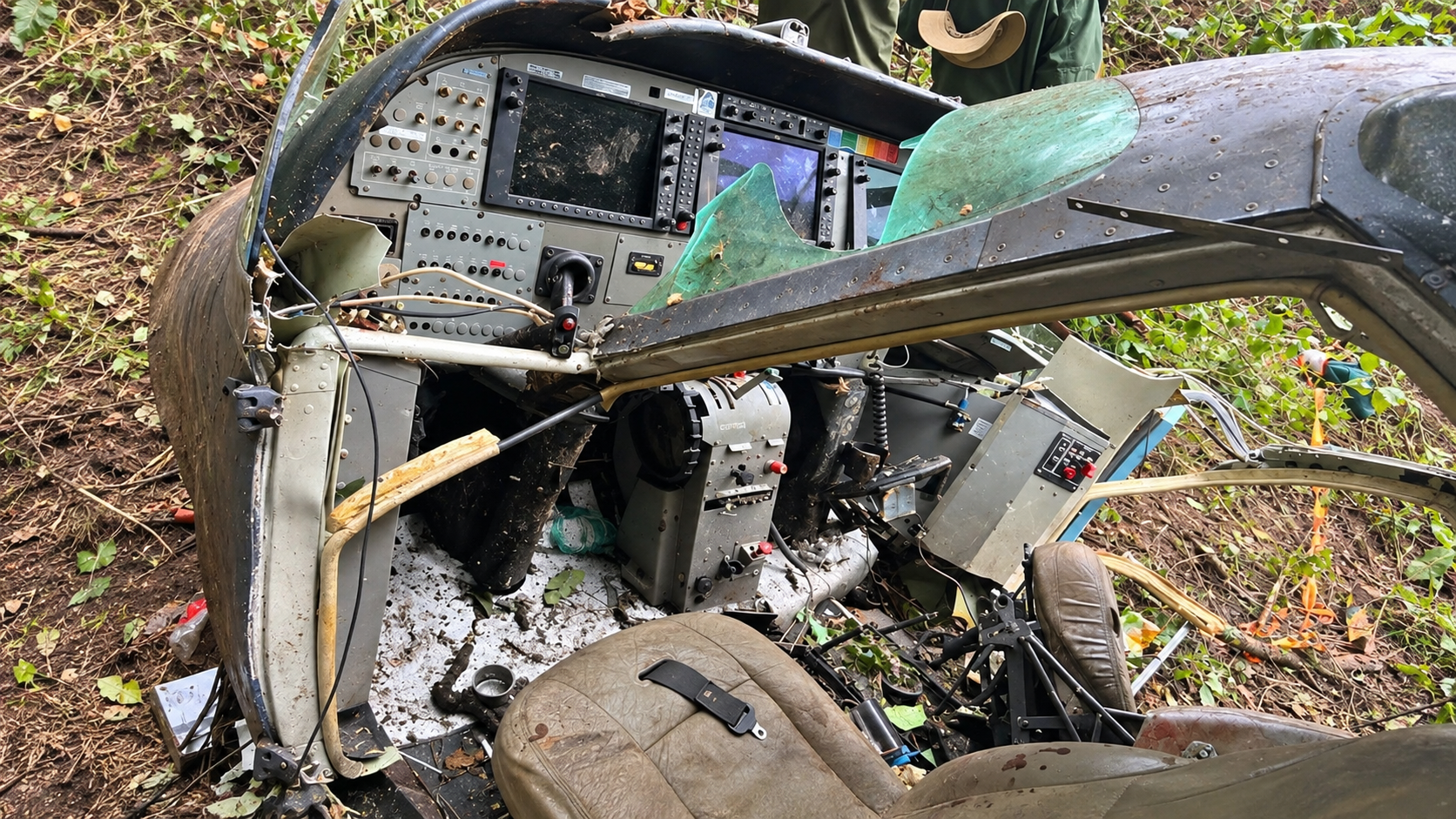
SOUTH KIVU, DRC — The Revolutionary Forces of the Nation (FRN) announced on Sunday, November 22, 2026, that its forces had shot down a military aircraft operating over Minembwe in eastern Democratic Republic of the Congo (DRC), raising renewed concerns about aerial military operations and the protection of civilians in the conflict-affected region.
According to a statement issued by Lawrence Kanyuka, spokesperson for the movement, the aircraft was intercepted at approximately 6:00 a.m. local time. The FRN maintained that the aircraft was preparing to conduct an aerial bombardment targeting civilian communities in Minembwe.
The announcement follows growing concerns over the security situation in South Kivu, where continuing hostilities have exposed communities to displacement, destruction of property and threats to civilian safety.
Kanyuka strongly criticised the government in Kinshasa, accusing Congolese authorities of continuing military operations that endanger civilian populations despite repeated warnings from the movement.
The spokesperson further maintained that the use of military aircraft, armed drones, heavy artillery and ground forces in populated areas has intensified humanitarian concerns and increased the urgency of international attention.
In his statement, Kanyuka declared:
“Silence, indifference and inaction in the face of this violence are unacceptable and cannot be tolerated.”
The FRN also called upon the Congolese population and international community to examine the conduct of military operations in eastern DRC, particularly where civilian settlements may be exposed to aerial bombardment.
The movement characterised the reported attacks as serious violations of international humanitarian law and called for greater international scrutiny of military activities attributed to forces operating under the authority of Kinshasa.
Under international humanitarian law, parties engaged in armed conflict are required to distinguish between military objectives and civilian populations. Deliberate attacks against civilians are prohibited, while military operations must comply with the principles of distinction, proportionality and precaution.
The circumstances surrounding the reported aircraft interception, its intended target and the extent of any casualties have not yet been independently established. The statement also did not provide technical details identifying the aircraft or its military unit.
The latest development places renewed attention on the security challenges confronting Minembwe and surrounding communities, where the protection of civilians remains a pressing humanitarian concern.
As tensions continue across eastern DRC, the incident underscores the importance of civilian protection, accountability for violations of international humanitarian law and sustained diplomatic engagement aimed at preventing further loss of life.
The USA New Times continues to monitor developments in Minembwe as additional information emerges regarding the aircraft, the circumstances of its destruction and the broader implications for regional security.