MINEMBWE, DR CONGO — Fresh concerns over civilian safety have emerged in eastern Democratic Republic of Congo following reports of intense aerial bombardments targeting residential areas of Minembwe, a predominantly Banyamulenge-inhabited town in South Kivu province. The reported attacks have renewed fears over the security of vulnerable communities caught in the region’s prolonged armed conflict.
According to a statement released on Tuesday, November 17, by Lawrence Kanyuka, spokesperson for the FRN, fighter aircraft and armed drones operating under the coalition supporting the government in Kinshasa carried out successive bombardments in central Minembwe on Monday evening, November 16, at approximately 8:10 p.m. local time.
The FRN spokesperson attributed the strikes to forces aligned with the Congolese government, describing the operation as a serious violation of international humanitarian law and condemning the reported targeting of densely populated civilian areas.
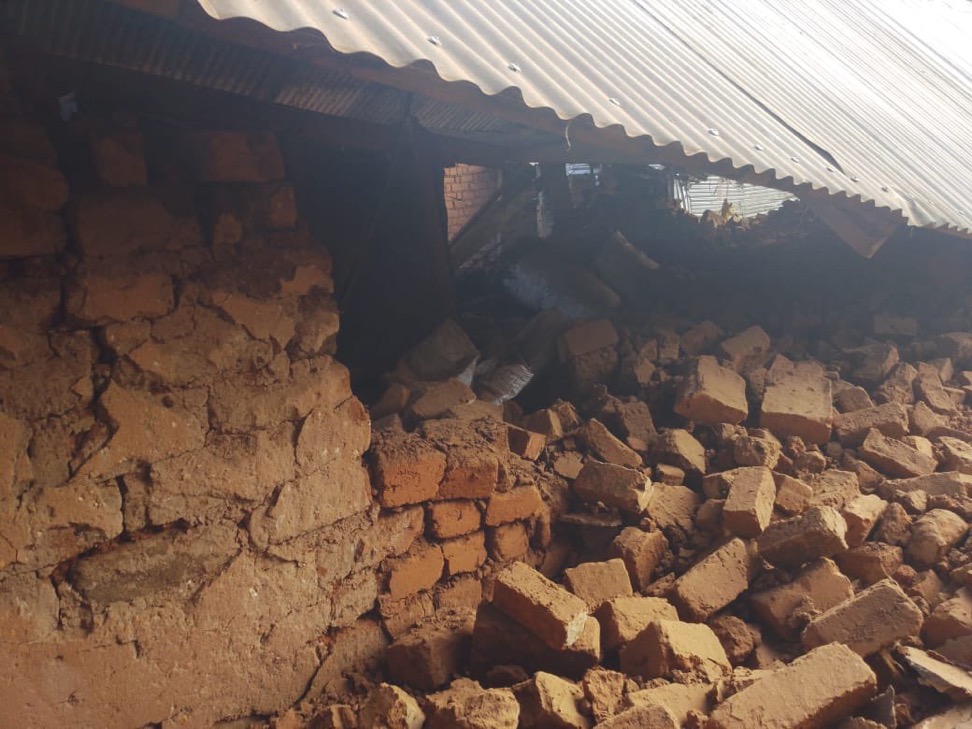
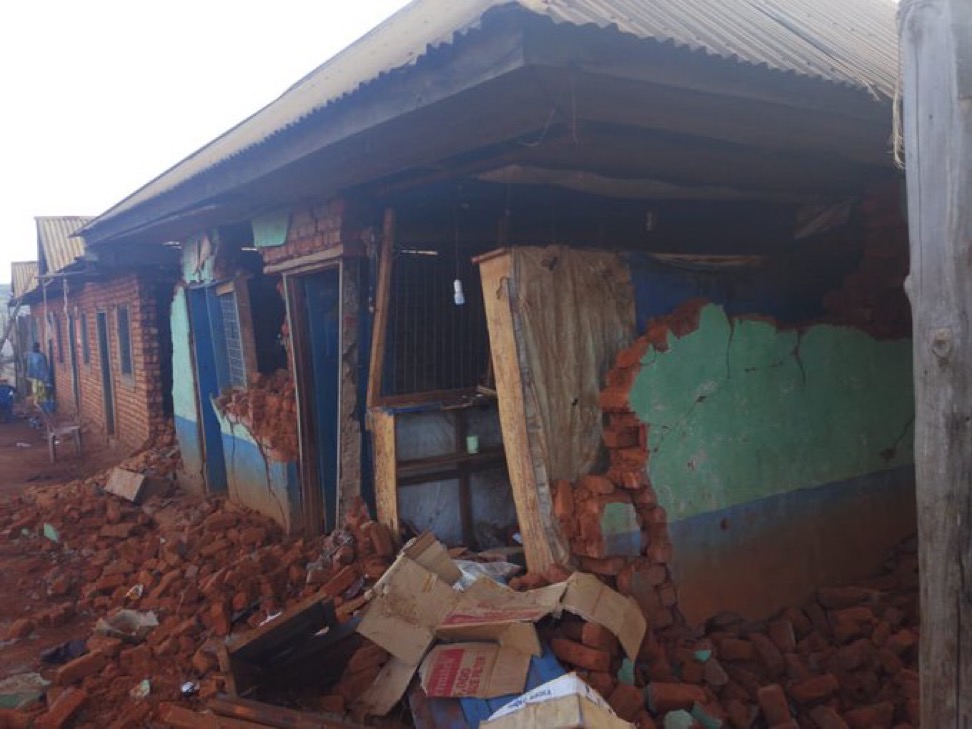
Kanyuka’s statement indicated that the bombardments caused extensive destruction across several neighborhoods, affecting residential properties, commercial establishments, educational facilities, churches, and healthcare infrastructure. Photographs circulated alongside the announcement show heavily damaged brick structures, collapsed walls, and debris scattered around buildings.
The precise extent of the destruction, the number of casualties, and the circumstances surrounding the reported strikes have not yet been independently established.
The reported bombardments have intensified concerns about the deteriorating security environment in the Minembwe highlands, where Banyamulenge communities have faced recurring insecurity, displacement, and disruptions to essential services.
For residents already confronting the consequences of prolonged instability, further damage to homes, schools, and healthcare facilities threatens to deepen an increasingly difficult humanitarian situation. The destruction of civilian infrastructure can leave families without shelter, interrupt children’s education, and severely restrict access to medical assistance.
In his statement, Kanyuka said FRN units had identified the locations from which the attacks originated. He further emphasized the movement’s commitment to civilian protection and its determination to respond to threats against communities under its responsibility.
The FRN described the reported bombardments as war crimes and crimes against humanity. Such legal classifications require examination of the circumstances, including the intended targets, military necessity, proportionality, and the conduct of those responsible.
Under international humanitarian law, parties engaged in armed conflict must distinguish between military objectives and civilian populations. Deliberate attacks against civilians and indiscriminate strikes are prohibited, while civilian buildings, including schools, hospitals, and places of worship, are protected unless specific circumstances remove that protection.
The latest developments underscore the broader challenges confronting eastern Congo, where continued military confrontations have complicated efforts to restore stability and establish lasting security arrangements.
Minembwe remains particularly sensitive because of its geographical isolation, longstanding communal tensions, and the vulnerability of populations whose access to humanitarian assistance and essential public services is frequently disrupted by insecurity.
The reported destruction has also raised questions about the protection of Banyamulenge civilians and the responsibility of all armed actors to prevent further harm to communities living in conflict-affected territories.
As tensions persist, the immediate priority remains the safety of civilians, access to emergency assistance, and the prevention of further destruction of residential neighborhoods and essential infrastructure.
The FRN’s latest statement signals continued concern over military operations in the Minembwe area, while the reported events highlight the importance of independent documentation and accountability for attacks that endanger civilian lives.
For the people of Minembwe, the consequences of renewed hostilities extend beyond damaged buildings. They threaten the security of families, the continuity of community life, and prospects for lasting peace in a region where civilian protection remains an urgent humanitarian priority.