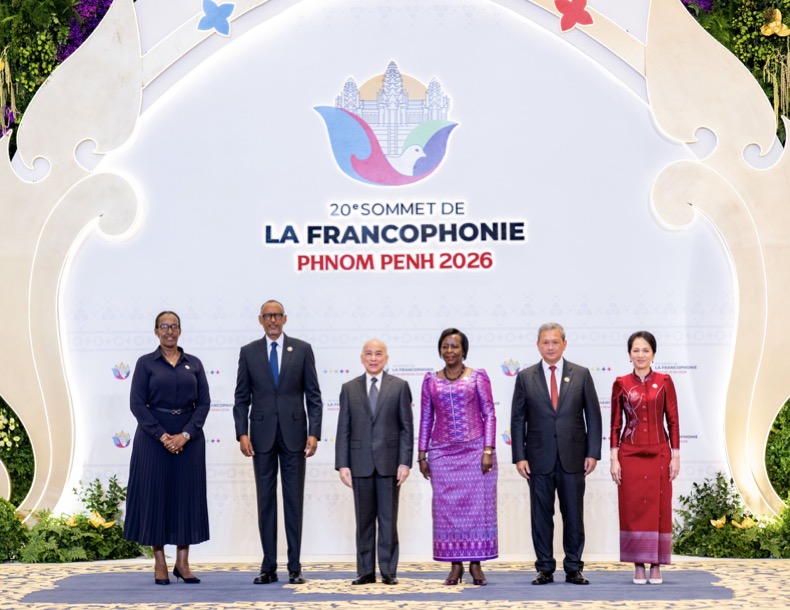
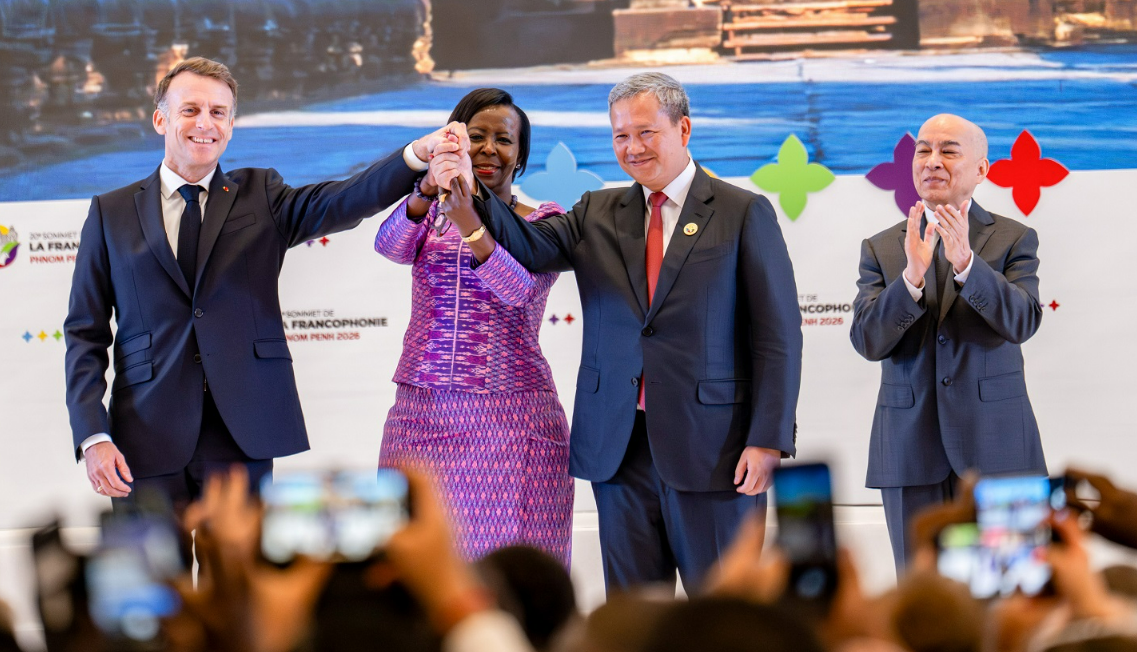
The 20th Francophonie Summit ended on Monday, November 16, 2026, with three adopted texts. The summit closed in the Cambodian capital, and Prime Minister Hun Manet, who chaired it, said it adopted three key outcome documents. This was Cambodia's first time hosting the event. The venue was moved from Siem Reap to Phnom Penh, a change announced in February 2026. The summit was held on Nov. 15 and 16. The three texts are the Phnom Penh Declaration, a Resolution on Situations of Crisis, Crisis Recovery and Peacebuilding, and the Phnom Penh Appeal on the Protection of Cultural Heritage and the Promotion of Cultural Diversity.
The Phnom Penh Declaration puts peace at the centre. In his closing remarks, Hun Manet said the declaration affirms that peace, prosperity and stability go hand in hand. That fits the host's chosen theme. Cambodia had been drafting summit documents around restoring peace for shared prosperity and lasting stability. The drafting committee was chaired by France, with Cambodia as vice chair.
Members committed to stronger crisis prevention and mediation. Hun Manet said members agreed to strengthen La Francophonie's work on prevention and mediation, in coordination with the United Nations and regional organizations. A draft of the crisis resolution had already drawn comment before the summit. Vietnam welcomed updated references to the East Sea in the draft text. I have not seen the final wording, so how far the resolution goes beyond those references is unclear.
A separate appeal covers culture. The third text commits members to protecting cultural heritage and promoting cultural diversity. The choice of Phnom Penh gave the topic a natural setting. Cambodia is known for its heritage sites, and Siem Reap, the original venue, is the gateway to Angkor.
The summit also created a new economic body. Hun Manet said it approved a Francophone economic cooperation office in Phnom Penh, meant to deepen ties with ASEAN and the Pacific community. This is the most concrete outcome reported so far. It reflects a push to anchor the organisation in Asia, where French is far less widely spoken than in Africa. The summit was the first in the Asia-Pacific region since the 6th summit in Vietnam in 1997.
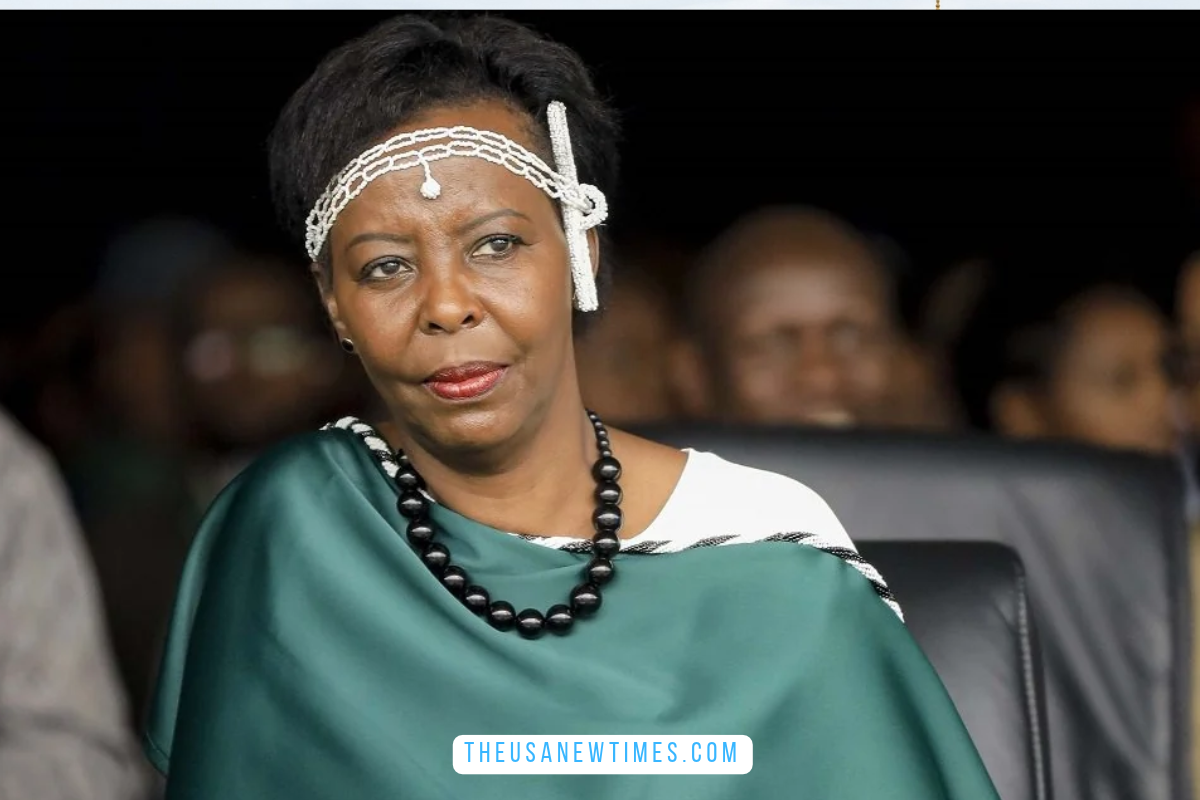
The leadership question was settled quietly. Cambodian Information Minister Neth Pheaktra announced that the summit extended the term of OIF Secretary-General Louise Mushikiwabo by 12 months. The extension keeps continuity at the top of the organisation.
Turnout was solid, but the real test comes later. The two-day gathering drew heads of state, government leaders and senior delegations from 81 OIF member states and governments. Whether the texts have any effect is a separate matter. Before the summit, one analyst argued that success would lie less in a spectacular declaration than in a verifiable roadmap. Belgian press coverage also described an organisation that keeps expanding but struggles to carry weight.