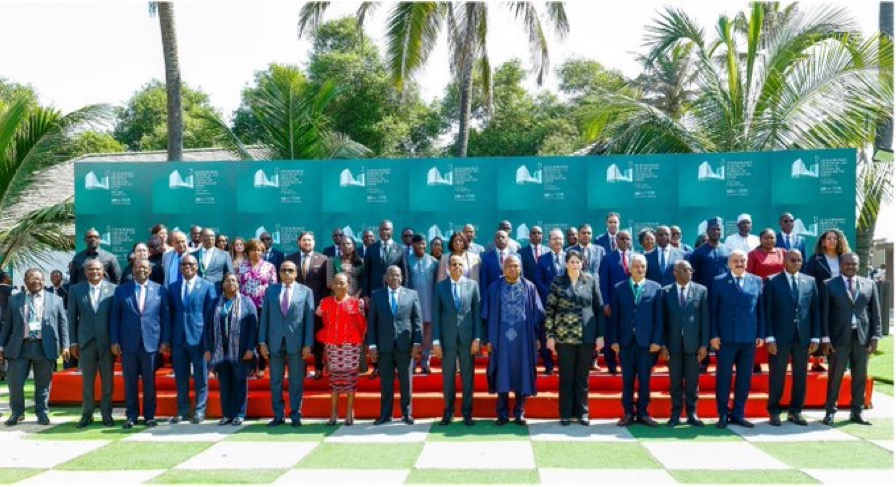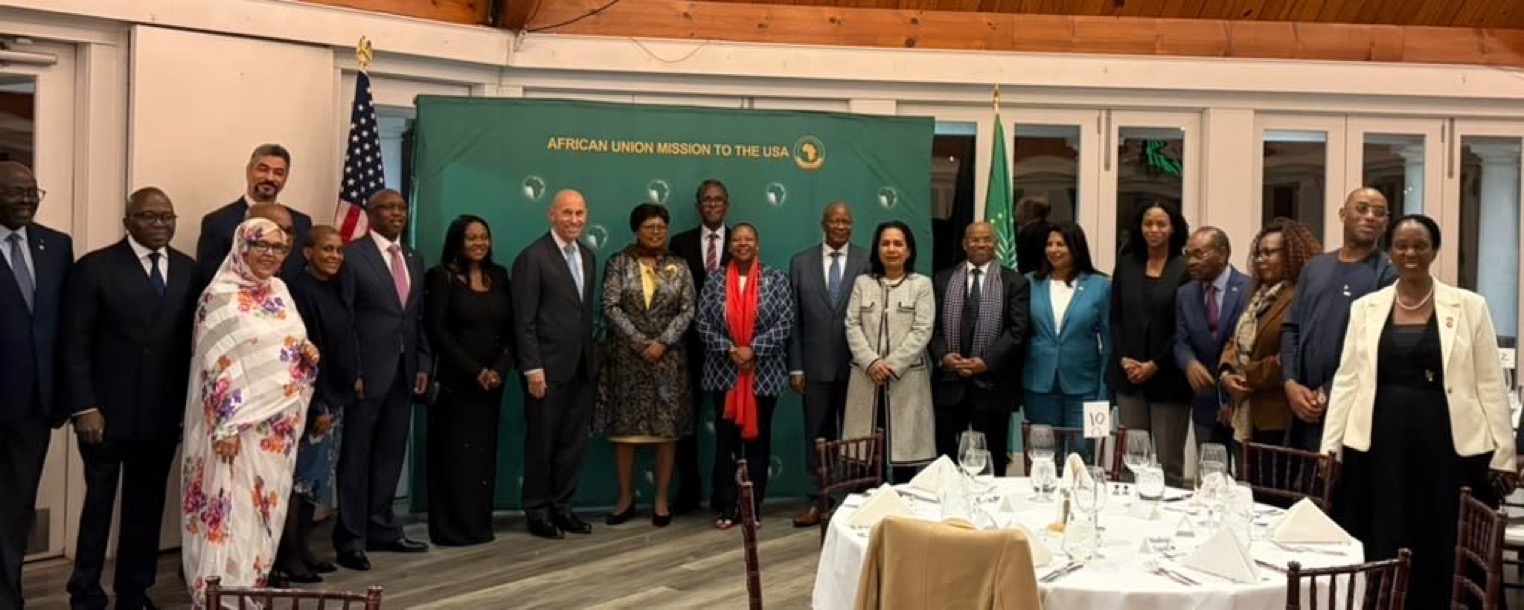
ACCRA, Ghana | The African Union (AU) has intensified efforts to strengthen Africa’s financial independence and institutional effectiveness as ministers and senior continental officials convene in Accra, Ghana, for the 27th Extraordinary Session of the AU Executive Council, focusing on sustainable financing, institutional reform and greater African ownership of the continent’s development priorities.
The high-level gathering brings together foreign affairs and finance ministers from AU member states, representatives of regional economic communities, senior African Union Commission officials and international financial partners to examine reforms designed to reduce dependence on external funding and improve the organisation’s long-term operational capacity.
At the centre of the discussions is a growing recognition that Africa’s ability to advance economic integration, maintain regional stability and influence international decision-making depends increasingly on its capacity to finance continental institutions through reliable domestic resources.
African Union Commission Chairperson Mahmoud Ali Youssouf called for stronger financial commitments from member states, emphasising that sustainable funding is essential to achieving the continent’s development objectives under Agenda 2063.
“Financing the African Union is not an end in itself; it is an investment in Africa’s collective determination to realise Agenda 2063, accelerate economic integration, strengthen continental security and secure Africa’s rightful place in the world,” Youssouf stated.
The Commission proposed reviewing existing limits on national contributions and expanding implementation of the 0.2 percent levy on eligible imports, a financing mechanism intended to provide the Union with more predictable revenue.
Despite previous commitments to financial independence, only 18 of the AU’s 55 member states have implemented the levy, highlighting the gap between continental policy decisions and their implementation at national level.
Ghanaian Foreign Affairs Minister Samuel Okudzeto Ablakwa drew attention to significant differences in how the Union’s activities are financed. According to projections presented during the meeting, African governments are expected to cover approximately 99 percent of the AU’s operational budget in 2027, compared with just 4 percent of its programme expenditure and 12 percent of its peace and security budget.
These figures illustrate the continuing importance of external financing for major continental initiatives, particularly programmes addressing economic transformation, institutional development and regional security.
To address these disparities, delegates examined proposals for a unified programme-based budget supported by a Medium-Term Expenditure Framework, alongside clearer financial responsibilities for member states, regional organisations and AU institutions.
The Commission also introduced a proposed Pact for a More Effective and Results-Oriented African Union covering 2027–2029. The initiative would connect increased financial contributions with stronger accountability, institutional efficiency, expenditure controls and measurable results.
Peace and security financing emerged as another major priority, with discussions focusing on strengthening the AU Peace Fund and expanding its capacity to support conflict prevention, mediation and African-led peace operations.
Ghana proposed increasing the Fund’s capitalisation towards US$1 billion, supported by sustainable replenishment arrangements and diversified financing mechanisms. Delegates also examined the implementation of United Nations Security Council Resolution 2719, adopted in 2023, which established a framework for financing eligible AU-led peace support operations through UN-assessed contributions.
The discussions placed particular emphasis on preventive diplomacy, early-warning capabilities and timely regional responses to emerging security challenges.
Beyond institutional financing, Ghana outlined plans to accelerate the development of African financial institutions, including the African Central Bank, African Monetary Fund and African Investment Bank. The government indicated its intention to deposit the relevant ratification instruments by 2027 and proposed hosting an extraordinary summit on African financial institutions in Accra that year.
A proposed Accra Declaration on Financing the Union would establish a coordinated framework covering domestic revenue mobilisation, budget reform, institutional accountability, peace financing and cooperation with African multilateral financial institutions.
The meeting also examined opportunities to deepen partnerships with major continental financial organisations, including the African Export-Import Bank and the African Development Bank, whose leadership participated in discussions on strengthening Africa’s financial architecture.
Participants called for a detailed implementation roadmap identifying institutional responsibilities, measurable milestones and reporting requirements for consideration at the 2027 African Union Summit.
The proposed reforms are also expected to promote broader participation in continental development by ensuring that financing priorities respond to the economic and social needs of women, young people and underserved communities.
The Accra deliberations represent an important stage in Africa’s continuing pursuit of stronger institutions and greater economic self-determination. Their long-term significance will depend on whether member states can translate political commitments into consistent financial contributions, transparent management and effective continental programmes.
For the African Union, the central challenge is no longer simply defining the ambition of financial independence, but establishing the institutional discipline and collective commitment necessary to make that ambition sustainable.