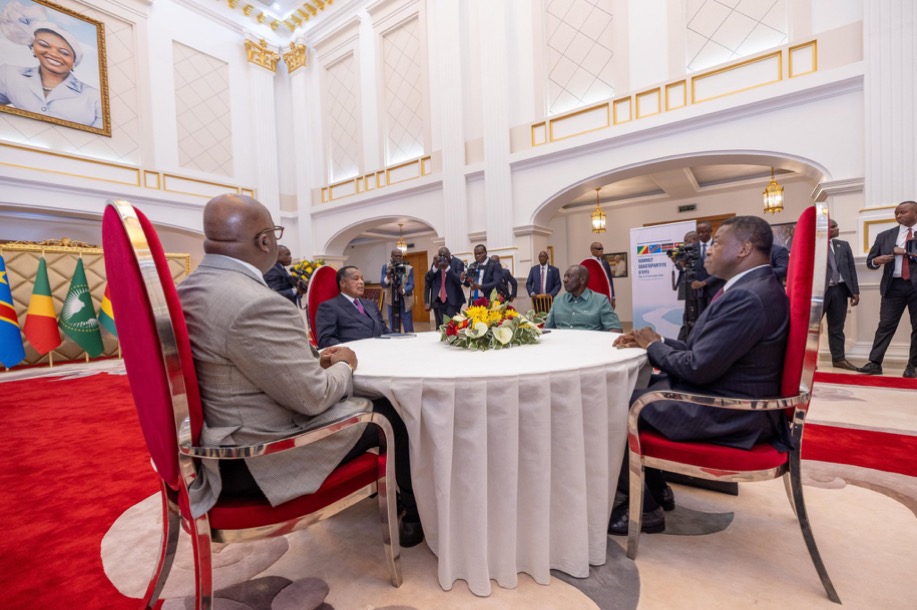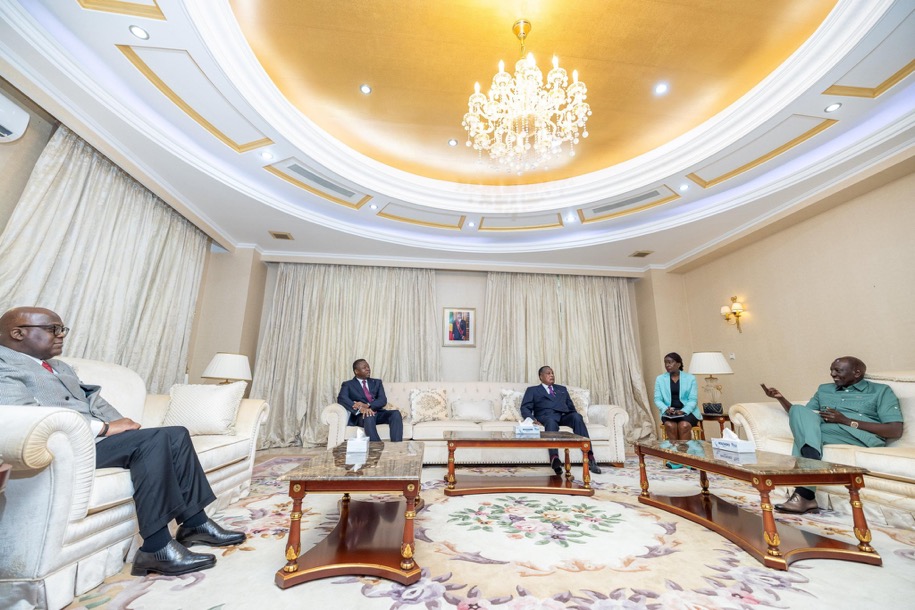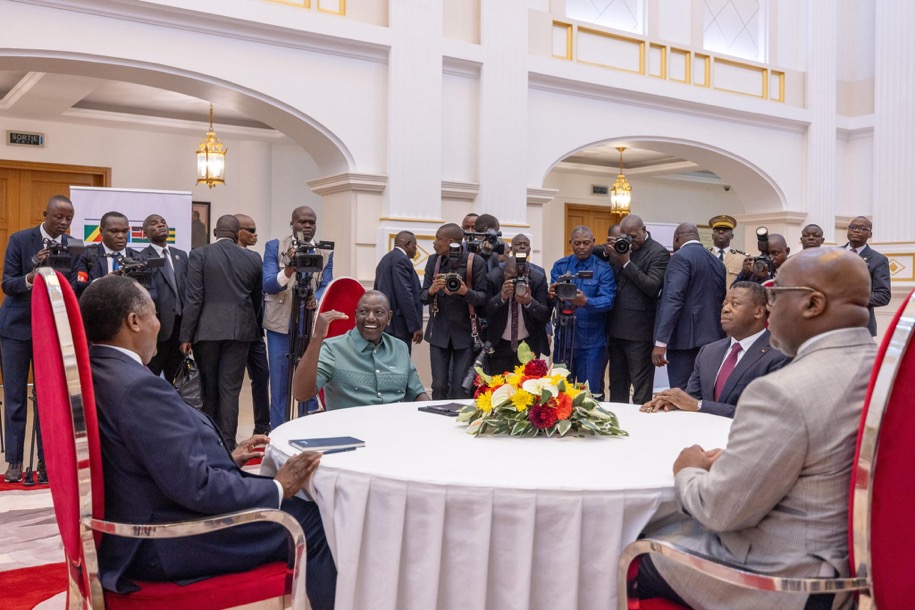
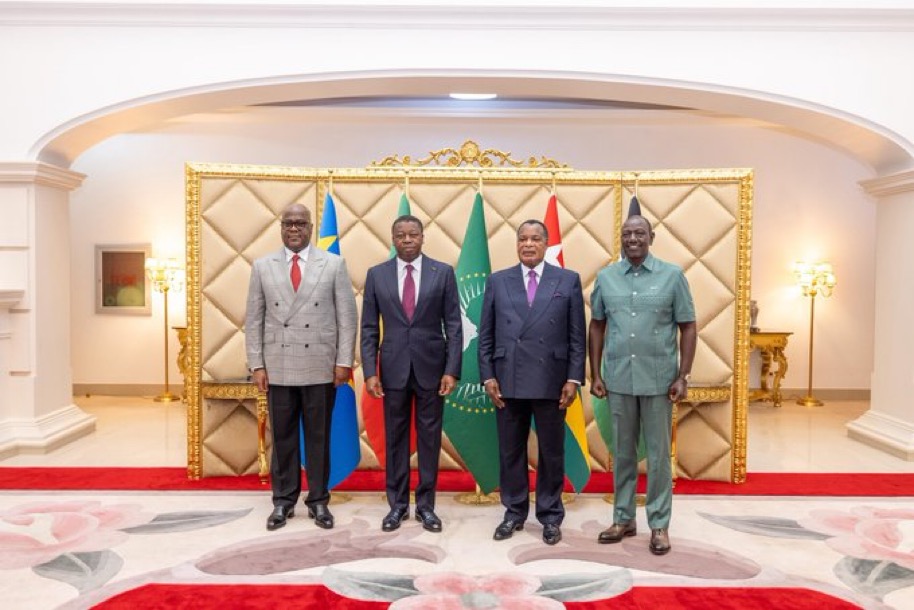
OYO, Republic of the Congo — Kenyan President William Samoei Ruto and Democratic Republic of the Congo (DRC) President Félix Tshisekedi have agreed to revitalise bilateral diplomatic relations following high-level discussions in Oyo, Republic of the Congo, as renewed military tensions in eastern Congo continue to raise concerns about civilian protection and regional stability.
The discussions took place during a quadripartite political summit hosted by Congolese President Denis Sassou N’Guesso, with the participation of Faure Essozimna Gnassingbé, President of Togo’s Council of Ministers and African Union mediator.
According to President Ruto’s official communication on November 22, the meeting established a renewed diplomatic framework intended to strengthen political dialogue, rebuild mutual confidence and expand cooperation between Nairobi and Kinshasa.
Both leaders committed to restoring full diplomatic representation, including the appointment of ambassadors, reviving the Joint Grand Commission for Cooperation and establishing more consistent diplomatic consultations.
The agreement also identifies trade, economic development, security and cultural exchanges as priority areas for cooperation, reflecting the two governments’ interest in strengthening bilateral relations while contributing to wider African integration.
President Ruto emphasised the importance of resolving disagreements through constructive engagement, stating that future relations would be guided by “dialogue, mutual respect and the peaceful resolution of differences.”
The Kenyan leader also expressed appreciation to President Sassou N’Guesso for facilitating the summit and acknowledged Gnassingbé’s mediation efforts under the African Union framework.
The diplomatic developments come against the backdrop of continuing insecurity in eastern DRC, where military operations, armed confrontations and concerns over the protection of civilian populations remain significant challenges to regional peace initiatives.
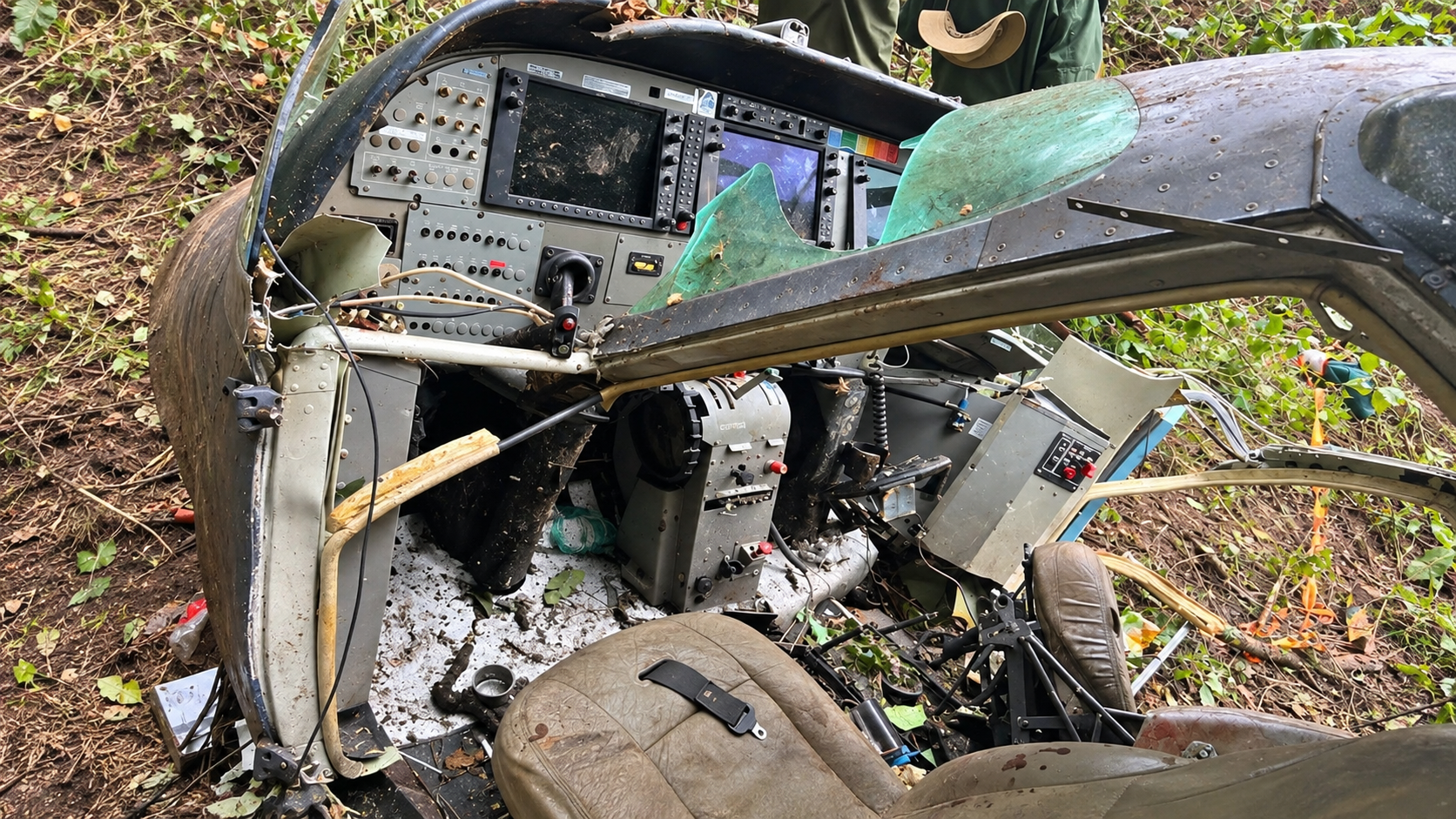
In a separate development on Sunday, November 22, Lawrence Kanyuka, spokesperson for the FRN movement, announced that its forces had shot down a fighter aircraft over the Minembwe area of South Kivu Province at approximately 6:00 a.m. local time.
According to Kanyuka’s statement, the aircraft was preparing to conduct an aerial attack against civilians when FRN forces intercepted it.
The movement described the operation as a defensive military response intended to prevent further harm to communities exposed to ongoing hostilities.
The reported aircraft’s destruction, its military affiliation and its intended target have not yet been independently established.
Kanyuka also accused the Kinshasa government of continuing military operations that endanger civilian communities, citing the use of combat aircraft, armed drones, heavy artillery and ground forces in areas affected by the conflict.
His statement called for greater international attention to civilian protection and urged regional and international institutions to respond to reports of violence against communities in eastern Congo.
The latest announcement follows reports of aerial bombardments in the Minembwe region on November 16, which reportedly damaged residential properties and civilian infrastructure, intensifying concerns about the humanitarian consequences of military operations in densely populated areas.
The situation has renewed attention to the vulnerability of civilians in South Kivu, particularly communities that have experienced repeated displacement, insecurity and disruptions to essential services.
Although the diplomatic discussions in Oyo focused primarily on relations between Kenya and the DRC, the continuing hostilities in eastern Congo underscore the broader challenges facing regional leaders as they pursue political reconciliation and sustainable security arrangements.
Kenya remains an influential participant in regional diplomacy through its engagement with the East African Community, the African Union and other multilateral initiatives intended to promote stability across the Great Lakes region.
However, the effectiveness of these commitments will depend on their implementation and the willingness of regional stakeholders to translate diplomatic agreements into measurable progress.
For communities affected by the conflict, particularly those living in Minembwe and surrounding areas, immediate priorities remain physical security, humanitarian assistance and protection from military operations that place civilian lives at risk.
The developments of November 22 illustrate two contrasting realities in the Great Lakes region: renewed diplomatic engagement among African leaders and continuing armed confrontation in eastern Congo.
The coming weeks will provide an important indication of whether the commitments reached in Oyo can strengthen bilateral relations and contribute to wider regional peace efforts, even as the security situation in eastern DRC remains uncertain.