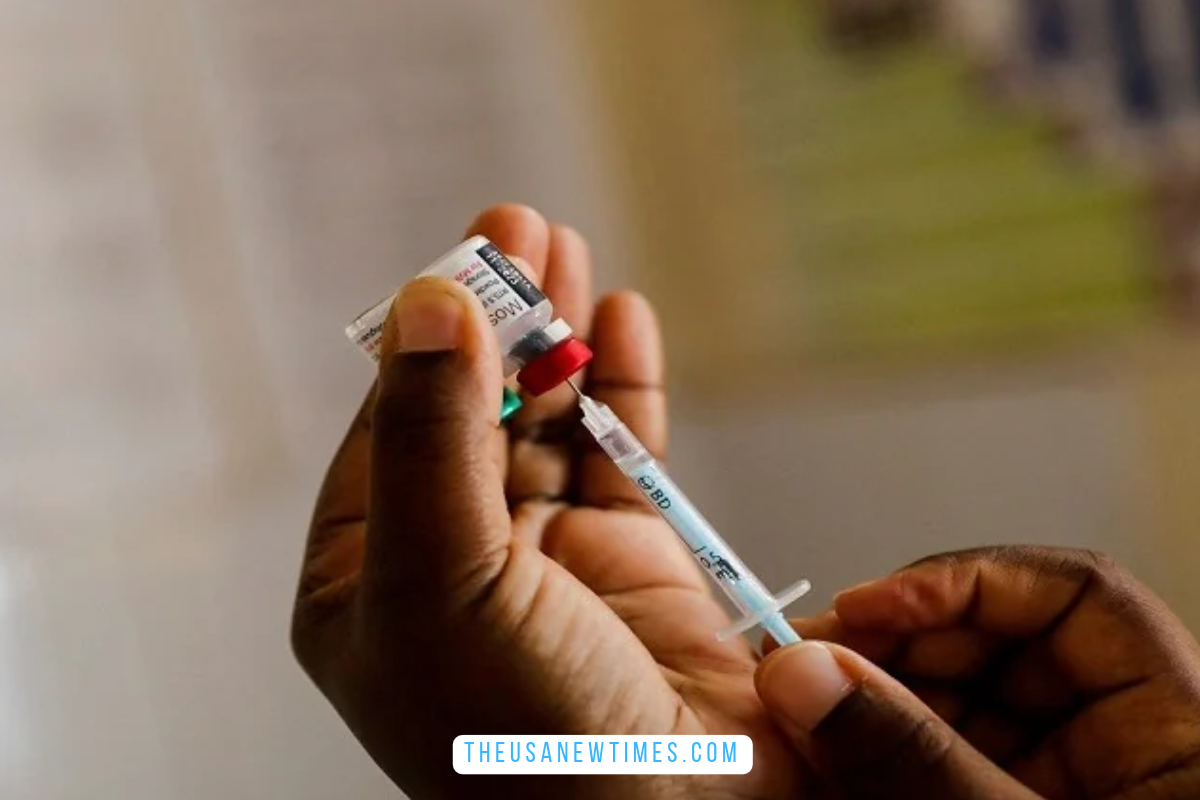
ENTEBBE, UGANDA — Uganda has officially launched Africa’s first clinical trial of an mRNA-based Ebola vaccine, marking a major milestone in the continent’s push to strengthen its defenses against deadly viral hemorrhagic fevers. According to the Uganda Virus Research Institute (UVRI), enrollment and screening of participants are now actively underway.
The landmark study will enroll approximately 224 healthy volunteers ranging in age from 1 to 65 years old. Notably, the Ugandan study is the first clinical trial of the candidate vaccine to evaluate its safety profile and immune response in children as young as one year old a critical demographic often left vulnerable during regional outbreaks.
Once vaccinated, all participants in the UVRI-led trial will be closely monitored by researchers for approximately one year to track long-term safety outcomes and the durability of their immune protection.
Building on International Momentum
The launch in Uganda builds directly on promising international clinical data. The mRNA vaccine candidate is already undergoing testing in healthy adults in Canada, where the initial trial commenced in August.
According to UVRI, interim results from the Canadian study proved encouraging enough to help inform a World Health Organization (WHO) recommendation for the vaccine’s deployment in further advanced testing. Specifically, the WHO recommended that the vaccine be evaluated in the neighboring Democratic Republic of the Congo (DRC) as part of the Phase 2/3 Tumaini ring vaccination trial a strategy designed to contain outbreaks by vaccinating the close contacts of confirmed cases.
Advancing Regional Health Security
By spearheading the continent’s first mRNA Ebola vaccine trial, Uganda which has extensive frontline experience managing viral outbreaks reinforces its position as a vital hub for infectious disease research in East and Central Africa.
With mRNA technology offering the potential for rapid development and scalable manufacturing, health researchers view the trial as an important step toward building faster, more adaptable tools to protect communities of all ages across the region from future Ebola threats.