Juba, South Sudan — Russia and South Sudan have held diplomatic discussions focusing on food security, bilateral development initiatives and political cooperation as the East African nation continues to confront serious humanitarian and economic challenges.
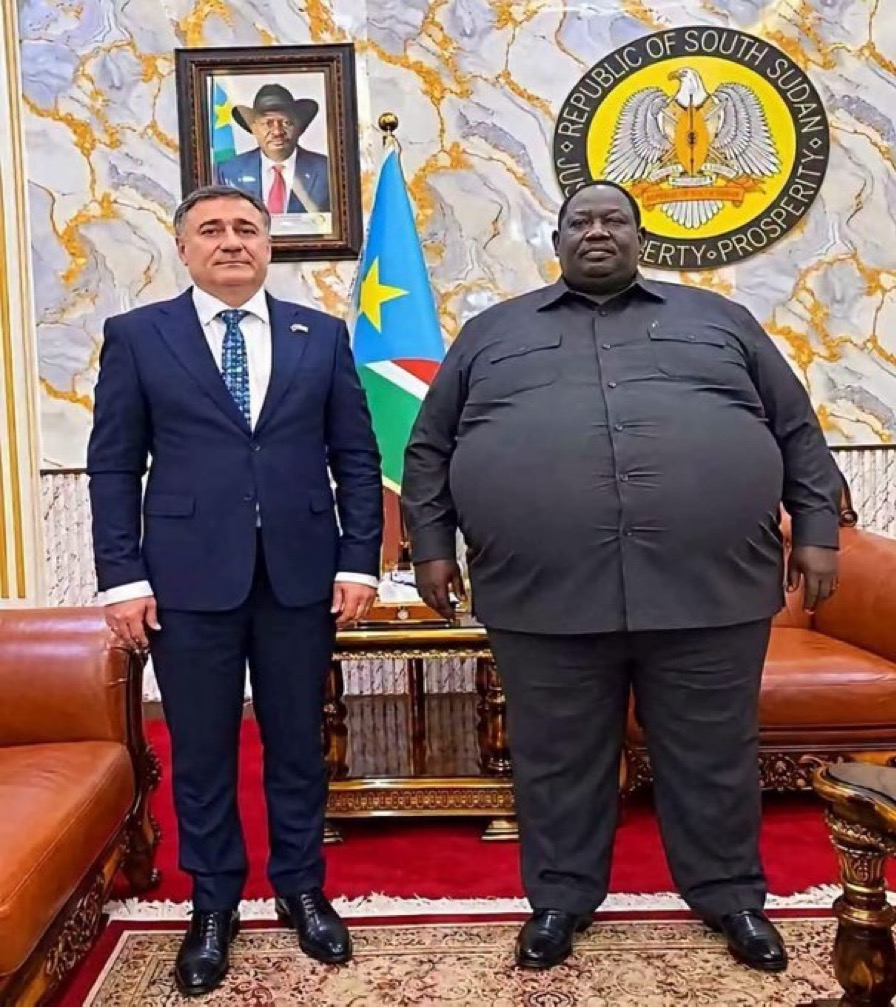
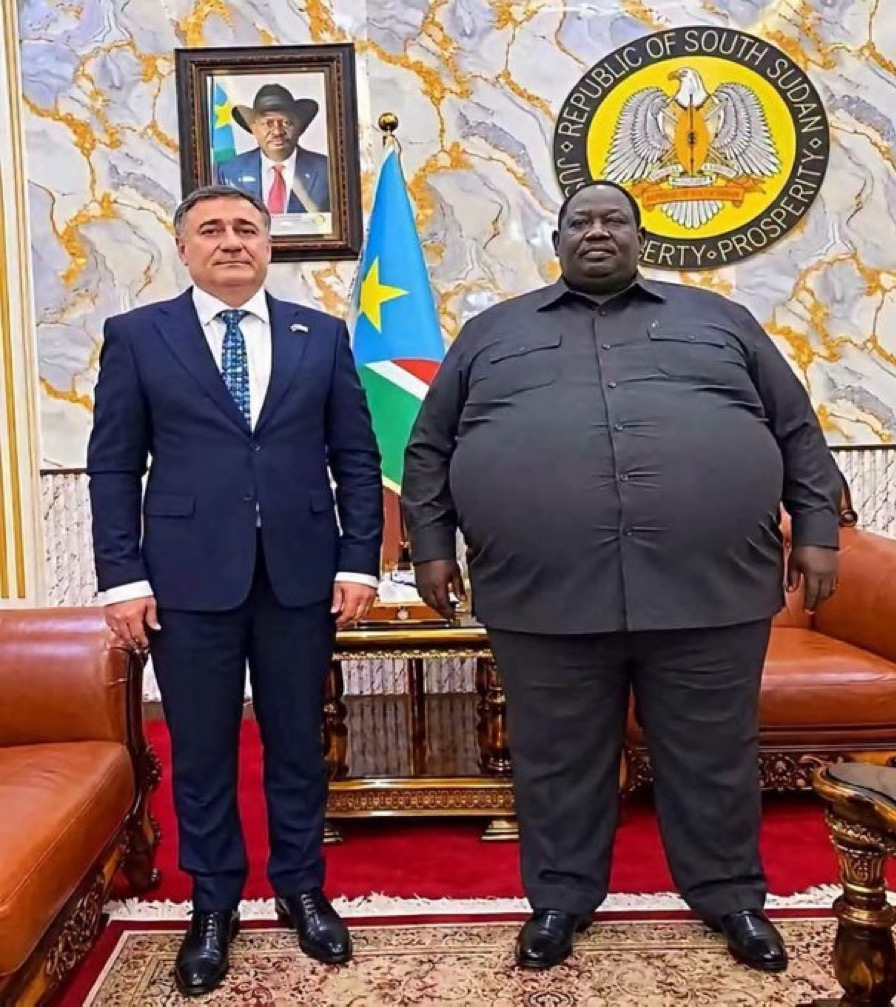
Russian Ambassador A. V. Kosmodemiyanskiy met with South Sudanese Presidential Adviser Tut Gatluak Manime to explore opportunities for strengthening relations between Moscow and Juba, with particular attention to the country’s growing food insecurity and the importance of sustainable economic development.
The meeting comes as South Sudan faces persistent difficulties in ensuring adequate food supplies for millions of citizens. Years of armed conflict, economic instability, population displacement and increasingly unpredictable weather conditions have weakened agricultural production and disrupted essential supply networks.
Despite possessing considerable agricultural potential, fertile land and significant petroleum resources, South Sudan remains heavily dependent on humanitarian assistance and imported commodities to meet domestic needs.
The diplomatic engagement reportedly included discussions on bilateral projects and political developments ahead of the country’s anticipated elections, reflecting the broader relationship between Russia and South Sudan.
Food security emerged as a central issue, particularly as the South Sudanese government considers measures to strengthen national food reserves and improve its capacity to respond to shortages.
The proposed establishment of a national food stockpile represents one approach to reducing vulnerability to supply disruptions, although its effectiveness would depend on adequate financing, reliable infrastructure and sustainable agricultural production.
Russia’s engagement with South Sudan also reflects Moscow’s continuing diplomatic interest in Africa, where cooperation in agriculture, energy, infrastructure and international affairs has become an important component of its foreign policy.
For South Sudan, expanding international partnerships could provide additional opportunities to attract investment, develop agricultural infrastructure and strengthen institutional capacity.
However, lasting improvements in food security will require more than diplomatic engagement. Agricultural modernisation, improved transportation networks, effective resource management and greater stability remain essential to building a resilient national economy.
The discussions also highlighted the relationship between political stability and economic development. South Sudan’s preparations for future elections continue to attract international attention as the country works towards strengthening governance institutions and advancing its political transition.
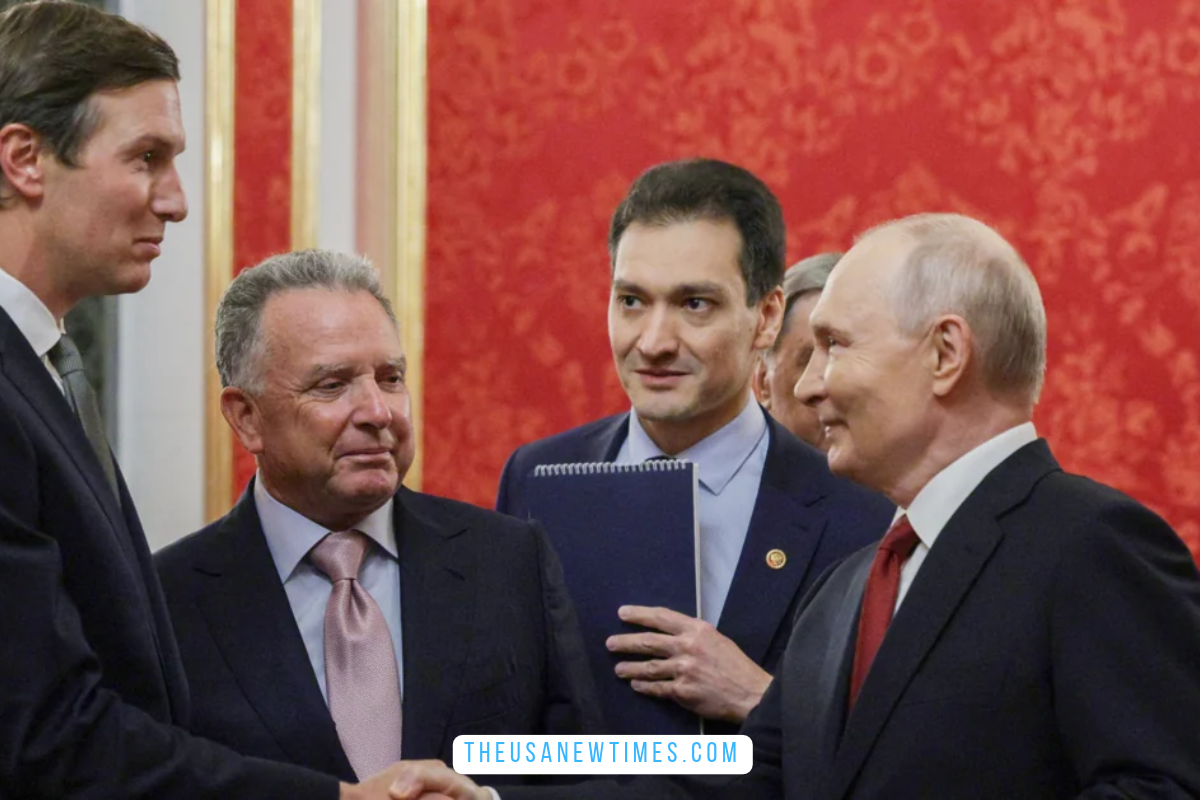
Photographs circulating online have been presented as showing the Russian ambassador alongside the presidential adviser during the diplomatic engagement. However, questions raised about possible digital alterations mean the images should not be treated as independently authenticated documentation of the meeting.
The reported discussions nevertheless draw attention to South Sudan’s urgent development priorities and the potential role of international cooperation in addressing them.
As Juba seeks to improve food availability and strengthen its economic foundations, the practical significance of its engagement with Moscow will depend on whether diplomatic discussions lead to measurable development initiatives.
For a country confronting overlapping humanitarian, economic and political pressures, sustainable agricultural investment and effective regional and international partnerships remain central to achieving long-term food security and national stability.