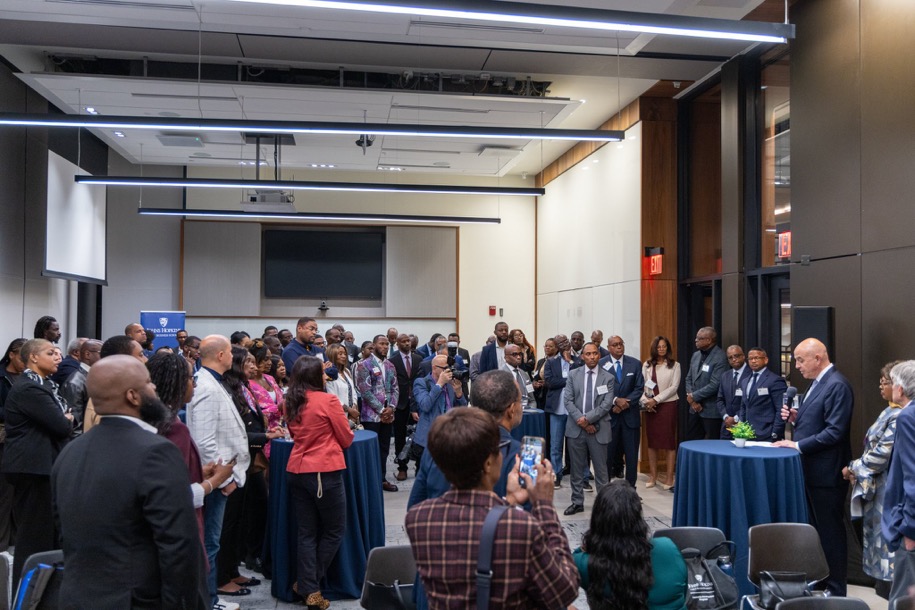
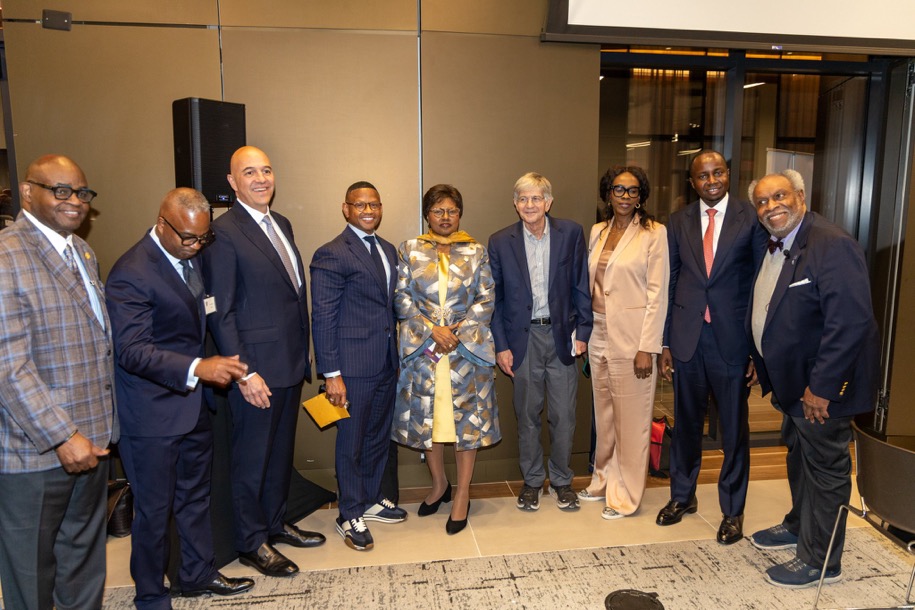
WASHINGTON, D.C. — Rwanda has reinforced its commitment to strengthening Africa–United States cooperation through diplomacy, education, investment and sustainable economic development during a high-level diplomatic gathering hosted by Johns Hopkins University in Washington, D.C.
The African Embassy Reception brought together African diplomats, senior government representatives, academic leaders, business executives and civil society stakeholders to examine opportunities for expanding international partnerships and accelerating Africa’s economic transformation.
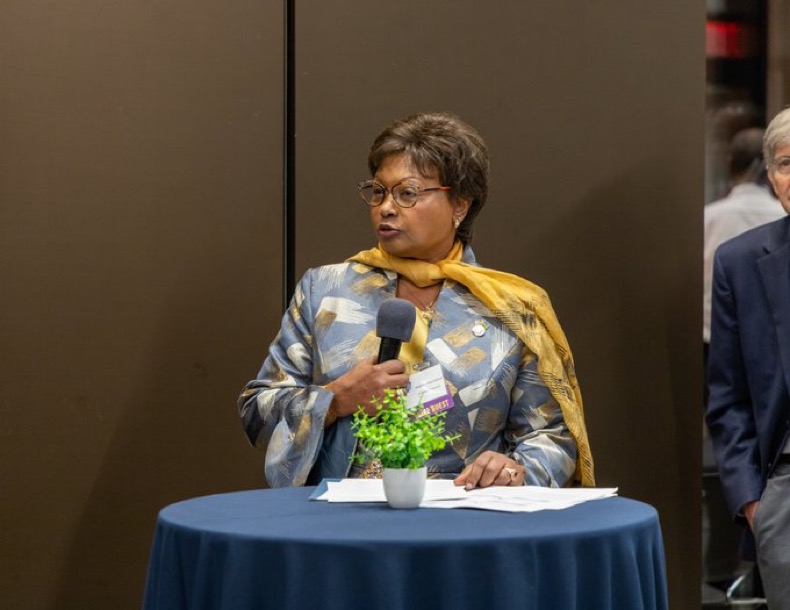
Rwanda’s Ambassador to the United States, Mathilde Mukantabana, participated in the gathering, highlighting the importance of connecting diplomatic engagement with business opportunities and educational advancement to support Africa’s long-term prosperity.
The discussions reflected growing recognition that Africa’s development requires coordinated partnerships capable of strengthening domestic institutions, developing skilled professionals and attracting investment that generates lasting economic value.
Rwanda Highlights Diplomacy, Education and Investment as Drivers of Progress
During the reception, Ambassador Mukantabana emphasised the complementary responsibilities of governments, businesses and educational institutions in advancing sustainable development.
She underscored the importance of diplomacy in building international understanding, private enterprise in expanding economic opportunities and education in preparing future generations to sustain development.
“Diplomacy creates understanding. Business creates opportunity. Education develops the talent necessary to sustain progress,” Ambassador Mukantabana stated, according to the Embassy of Rwanda in Washington.
Her remarks placed particular emphasis on the relationship between international cooperation and human capital development, two areas that remain central to Rwanda’s broader economic transformation agenda.
Rwanda has consistently prioritised education, technological innovation, entrepreneurship and investment partnerships as important components of its national development strategy.
The Washington gathering provided another opportunity to communicate these priorities to American academic institutions, investors and international development stakeholders.
It also highlighted the potential for African diplomatic missions in the United States to serve as strategic bridges connecting African economies with American expertise, financial resources and educational institutions.
Moving Africa Beyond Raw Material Exports
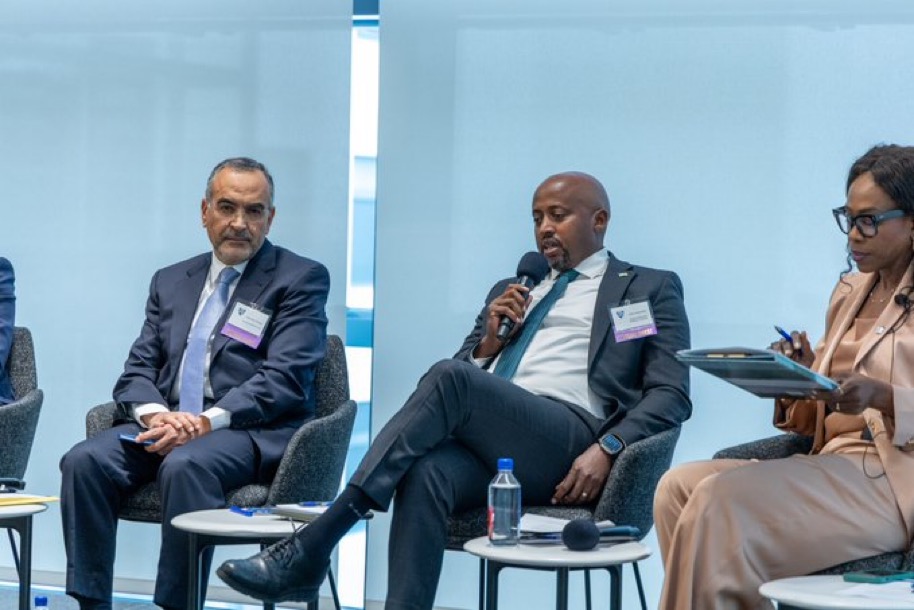
A separate panel discussion, titled Diplomacy, Development, and the Future of the African Continent, examined the structural changes necessary to strengthen Africa’s competitiveness in the global economy.
Rwanda’s Deputy Chief of Mission in Washington, Arthur Asiimwe, stressed the importance of expanding domestic industrial capacity, developing African talent and creating investment opportunities that support economic transformation.
The discussion addressed Africa’s longstanding dependence on exporting unprocessed natural resources, highlighting the economic benefits of increasing local processing, manufacturing and value addition.
Greater domestic processing capacity could enable African countries to retain more economic value, create employment opportunities and strengthen their participation in international supply chains.
The panel also examined the importance of aligning university education, scientific research and professional training with Africa’s economic priorities.
Such coordination could help bridge skills gaps, encourage innovation and prepare African professionals to participate more effectively in emerging industries.
Participants further explored the importance of attracting international investment that recognises African countries not simply as sources of raw materials but as competitive markets with expanding commercial opportunities.
These priorities are particularly relevant as African economies seek to diversify production, strengthen regional trade and establish more resilient economic systems.
Strengthening Africa–U.S. Cooperation Through Strategic Partnerships
The Johns Hopkins gathering demonstrated the expanding role of academic institutions in facilitating dialogue between African governments, American businesses and international development organisations.
Beyond traditional diplomatic engagement, universities provide opportunities for research collaboration, professional exchanges, technology transfer and the development of specialised skills.
For Rwanda, partnerships involving American educational institutions and private-sector organisations offer opportunities to advance innovation, workforce development and investment cooperation.
The country’s emphasis on digital transformation, business development and knowledge-based economic growth provides a foundation for exploring mutually beneficial partnerships.
The reception also underscored the importance of African-led development strategies that respond to national priorities while benefiting from international cooperation.
Rather than relying exclusively on external assistance, the discussions emphasised investment, institutional collaboration and the development of domestic capabilities as pathways towards greater economic independence.
This approach reflects a broader shift in development discussions towards commercially sustainable partnerships, local expertise and stronger African participation in global markets.
Rwanda Positions Itself as a Partner in Africa’s Economic Future
Rwanda’s participation in the Washington diplomatic forum highlighted its continued engagement with American institutions and its interest in strengthening cooperation across education, commerce and international relations.
Ambassador Mukantabana’s contribution reinforced the importance of diplomatic relationships that produce practical opportunities for businesses, universities and communities.
The discussions also illustrated how African diplomatic missions can promote investment, encourage knowledge exchange and strengthen connections between African countries and international partners.
As African economies pursue industrialisation, technological advancement and greater participation in global trade, cooperation between governments, educational institutions and private enterprises will remain essential.
For American investors, universities and development organisations, Rwanda’s emphasis on innovation, skills development and international partnerships presents opportunities for further engagement.
The African Embassy Reception at Johns Hopkins University ultimately highlighted a shared development objective: building partnerships that expand economic opportunity, strengthen African institutions and support sustainable prosperity.