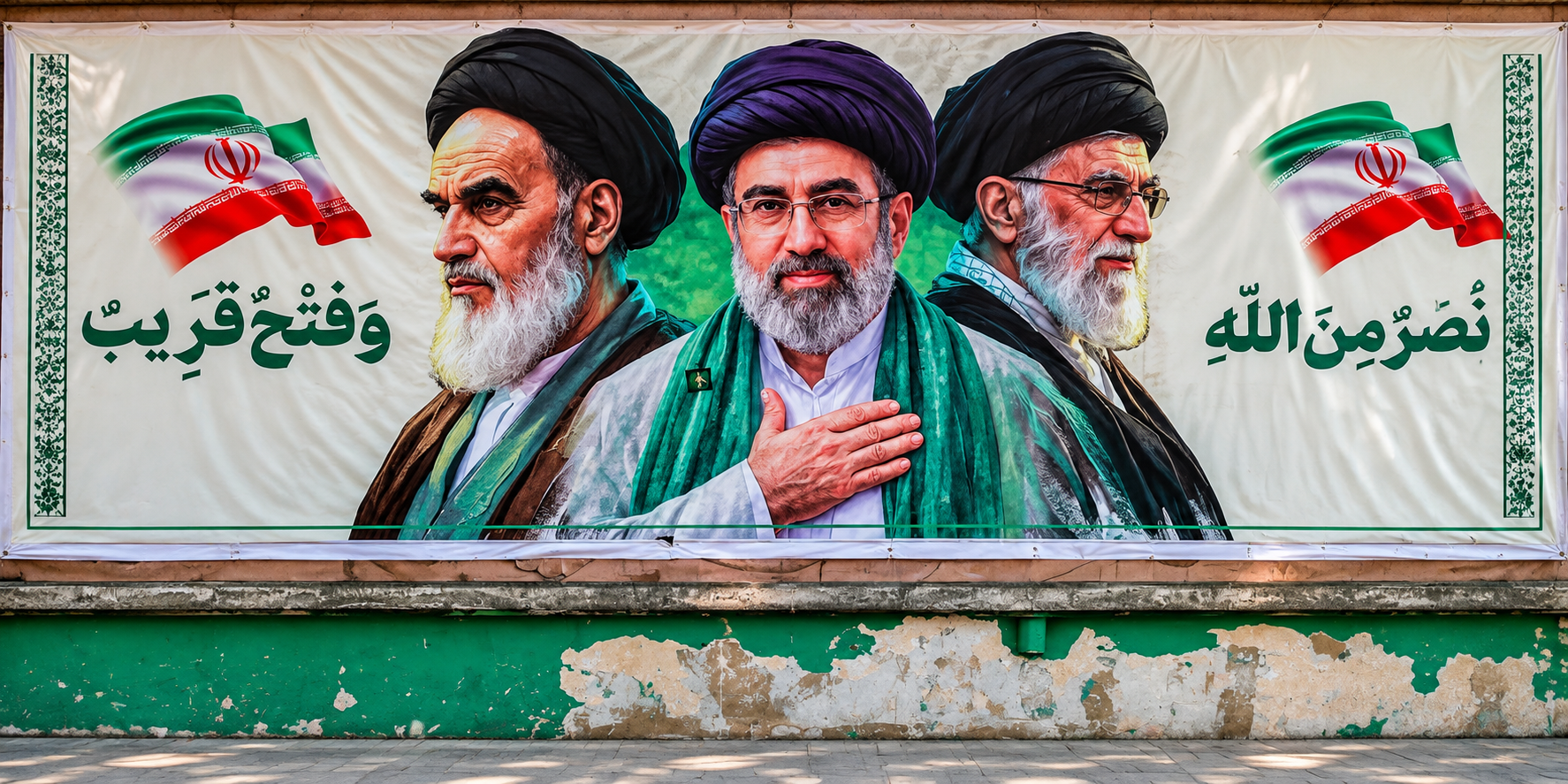
TEHHRAN, IRAN — Iran’s Supreme Leader, Ayatollah Mojtaba Khamenei, has reportedly directed the country’s senior military commanders to prepare for an immediate and decisive response to potential external threats, signaling Tehran’s determination to maintain a strong defensive posture amid persistent security tensions in the Middle East.
According to Iran’s state-run Islamic Republic News Agency (IRNA), the directive emphasizes rapid military readiness and authorizes responses extending beyond geographical boundaries when Iranian security interests are threatened.
The instruction reflects Iran’s continued emphasis on military deterrence and its determination to demonstrate operational preparedness in an increasingly complex regional security environment.
Iran Signals Expansive Military Readiness
The reported directive calls for an immediate and effective military response to potential threats, without imposing geographical restrictions on where such operations could occur.
This approach suggests that Iranian military planners are being instructed to maintain the capacity to respond beyond the country’s borders, depending on the nature and location of a perceived security challenge.
The announcement also highlights the importance Tehran places on military coordination, rapid decision-making, and strategic preparedness.
However, the reported instruction does not establish whether Iranian forces have received orders to initiate specific military operations or whether additional deployments are underway.
Regional Security and International Implications
Iran’s latest military directive comes against the broader backdrop of longstanding security tensions involving Tehran, Israel, and the United States.
For Washington and Jerusalem, developments in Iran’s military posture remain significant considerations in regional security planning, particularly regarding the protection of military personnel, strategic infrastructure, and international shipping routes.
The United States and Israel have consistently emphasized the importance of safeguarding their national security interests and maintaining credible defensive capabilities in response to regional threats.
Meanwhile, the possibility of military operations extending beyond national borders raises important questions about regional stability, international law, and the potential consequences of further confrontation.
Security developments involving Iran also carry implications for neighboring countries, international energy markets, and diplomatic efforts aimed at preventing a wider regional conflict.
Diplomatic Challenges Amid Rising Security Concerns
The reported instructions underscore the continuing challenges facing international diplomacy as regional governments balance military preparedness with efforts to preserve stability.
While Tehran presents its military readiness as an essential component of national defense, the international implications of any cross-border military response would depend on the circumstances, targets, and legal justification involved.
For the United States, Israel, and their regional partners, maintaining effective deterrence while preventing further escalation remains a central strategic priority.
Iran’s latest directive therefore represents a potentially significant development in the region’s evolving security landscape, placing renewed attention on the decisions of military leaders and the diplomatic channels available to prevent confrontation.
As international observers assess Tehran’s next steps, the broader question remains whether heightened military readiness will reinforce deterrence or contribute to additional instability across the Middle East.