GOMA, Democratic Republic of Congo —
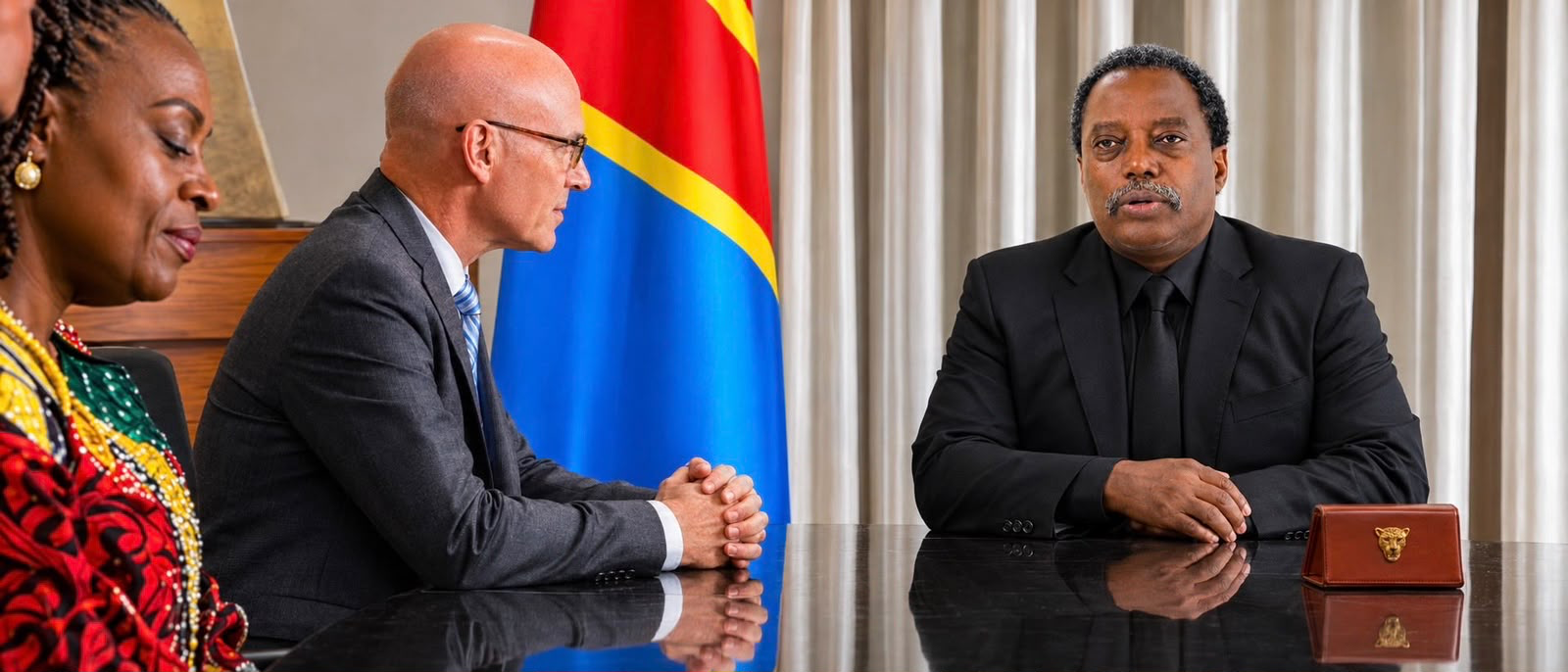
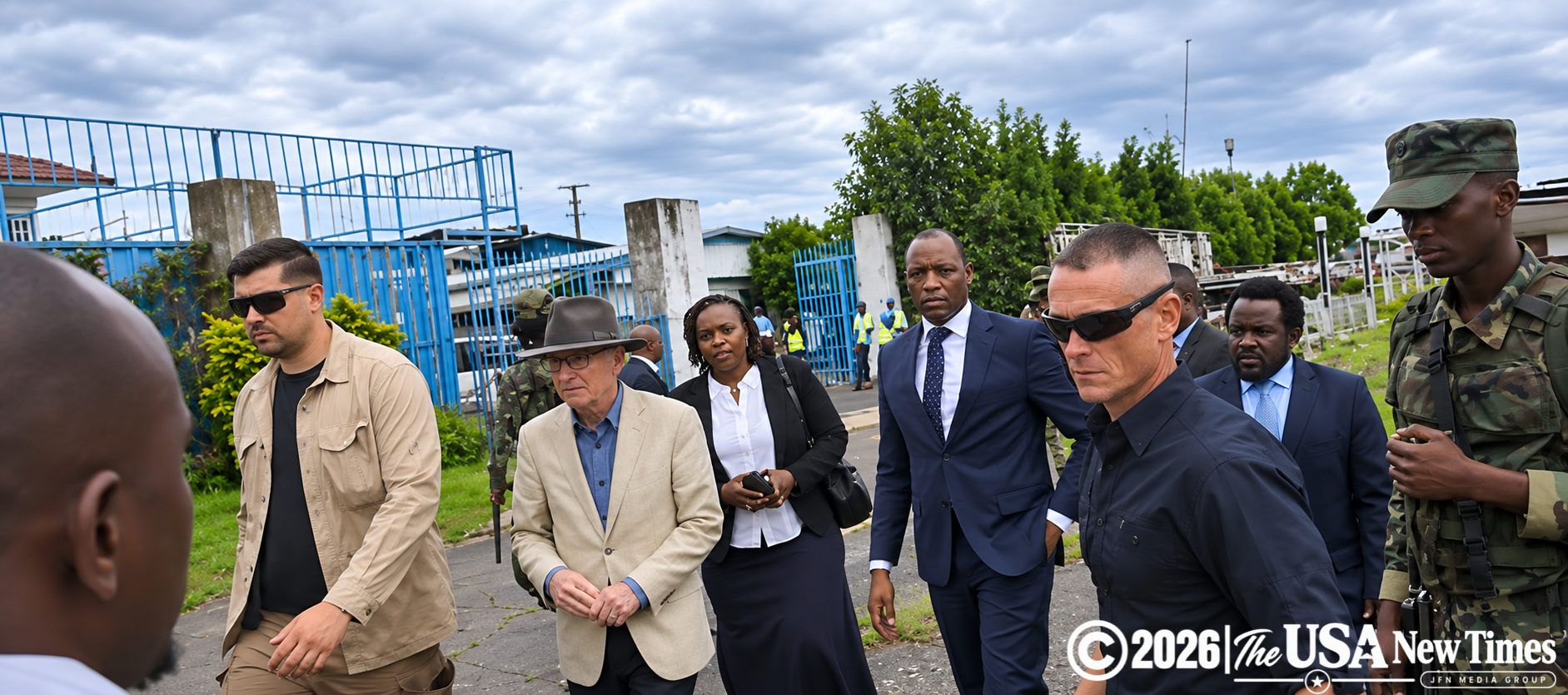
Former Democratic Republic of Congo (DRC) President Joseph Kabila reportedly met with James Swan, the United Nations Secretary-General’s Special Representative in the DRC and head of the United Nations peacekeeping mission (MONUSCO), in Goma on Tuesday, November 3, 2026.
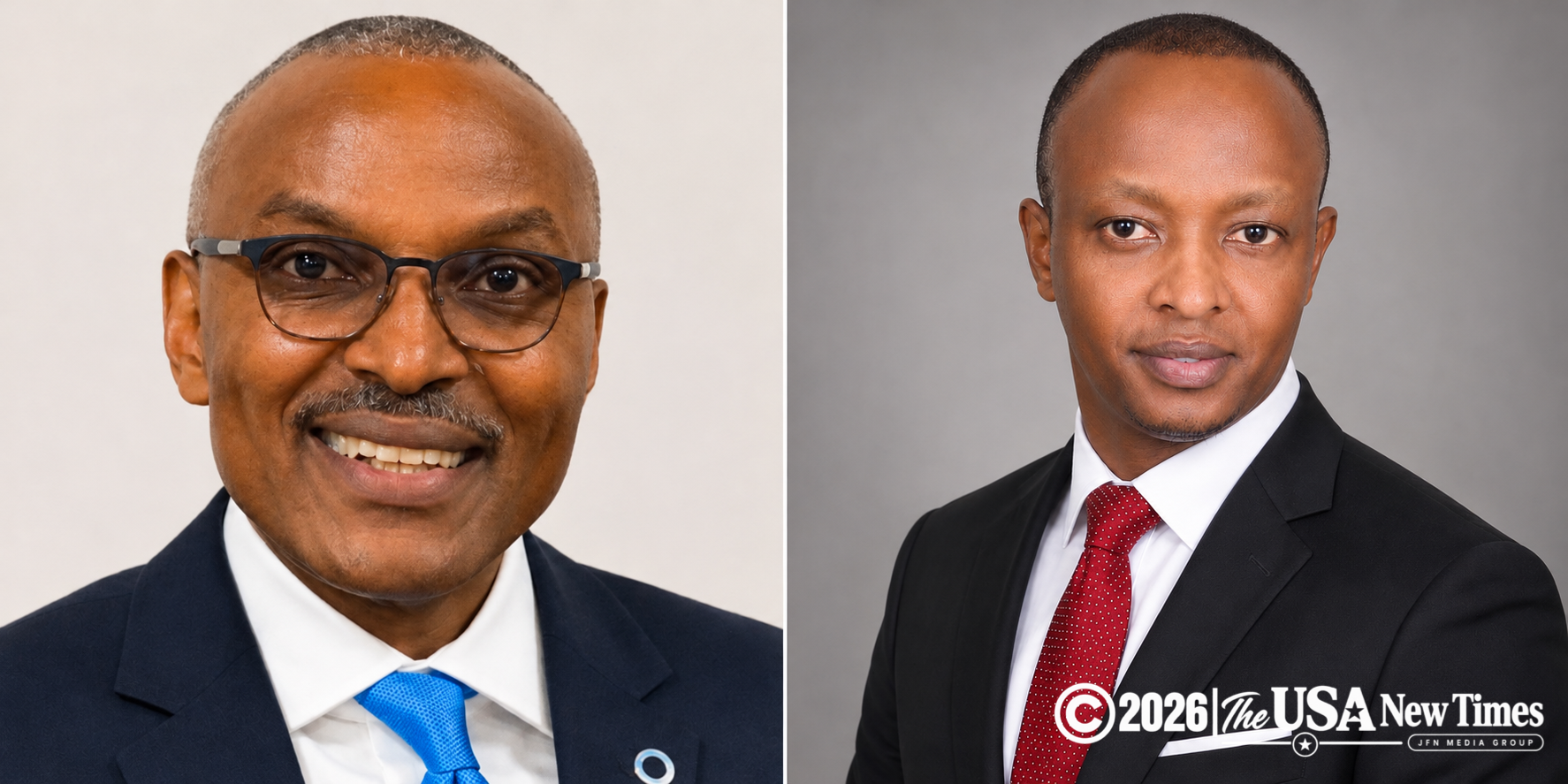
According to information published by Kivu Morning Post, Kabila participated in the discussions in his reported capacity as president of the Front for the Refoundation of the Nation (FRN), accompanied by senior political figures Corneille Nangaa and Bertrand Bisimwa.
The reported meeting brought together representatives of the movement and the United Nations to discuss the security situation in eastern Congo, ceasefire arrangements, the broader peace process, constitutional developments and MONUSCO’s mandate.
High-Level Dialogue on Peace and Regional Stability
The discussions come at a critical moment for eastern DRC, where prolonged insecurity, political divisions and armed confrontations continue to undermine civilian protection, economic development and regional stability.
The reported engagement between Kabila and the UN representative highlights the importance of political dialogue in addressing the country’s complex security challenges.
According to the published account, the meeting examined opportunities to advance ceasefire arrangements and strengthen diplomatic engagement toward a sustainable political settlement.
The participation of Nangaa and Bisimwa, prominent figures associated with the AFC/M23 political and military movement, also places the discussions within the wider context of efforts to address the political and security grievances affecting eastern Congo.
Although the precise outcomes of the meeting have not been publicly established, the reported discussions reflect the continuing importance of communication between influential Congolese political actors and international institutions.
Governance, Constitutional Questions and the Future of MONUSCO
Beyond immediate security concerns, the discussions reportedly addressed constitutional developments in the DRC, including debate surrounding potential amendments to the country’s Constitution.
Constitutional governance remains a sensitive national issue, particularly as political stakeholders examine the relationship between institutional stability, democratic accountability and the country’s long-term political direction.
The meeting also reportedly considered MONUSCO’s mandate and its continuing role in supporting civilian protection and regional security.
The United Nations mission has operated in an exceptionally challenging environment, where humanitarian needs, displacement and the activities of multiple armed groups continue to complicate peacekeeping operations.
A sustainable political settlement will require effective cooperation among Congolese stakeholders, regional governments and international institutions, supported by credible commitments to civilian protection and respect for fundamental rights.
Addressing the Root Causes of Conflict
Eastern Congo’s security challenges extend beyond military confrontation. Long-standing disputes involving citizenship, ethnic discrimination, political representation, land ownership and access to public services have contributed to recurring instability.
The continued presence of armed groups, including the Democratic Forces for the Liberation of Rwanda (FDLR), remains an important regional security concern.
The FDLR, whose origins are connected to perpetrators of the 1994 Genocide against the Tutsi in Rwanda, has remained a significant issue in relations between Rwanda and the DRC.
Efforts to dismantle armed organisations, prevent the spread of genocide ideology and protect vulnerable communities are essential components of any comprehensive regional peace strategy.
Equally important is the need to address discrimination and ensure that all Congolese citizens, including communities affected by ethnic persecution and exclusion, enjoy equal protection under the law.
These challenges underscore the importance of governance reforms, national reconciliation and inclusive political dialogue alongside security arrangements.
A Potential Opening for Renewed Diplomacy
The reported meeting in Goma comes as international and regional stakeholders continue pursuing diplomatic solutions to the conflict in eastern DRC.
The United States and other international partners have supported initiatives intended to reduce hostilities, improve regional security cooperation and establish conditions for lasting peace.
For the United Nations, engagement with relevant political actors can provide opportunities to assess developments on the ground and encourage peaceful approaches to unresolved disputes.
However, dialogue alone will not resolve the country’s challenges. Meaningful progress will depend on enforceable ceasefire commitments, accountability for attacks against civilians, the dismantling of armed groups and political reforms that address the underlying causes of instability.
The reported encounter between Joseph Kabila and James Swan therefore represents a potentially significant diplomatic development, although its practical implications will depend on subsequent negotiations and actions.
For eastern Congo, the central challenge remains transforming political engagement into lasting security, inclusive governance and a peaceful future for all communities.