ABIDJAN, CÔTE D’IVOIRE — The African Development Bank (AfDB) has approved nearly $21 million in financing to support the construction of a low-carbon cement production complex in Côte d’Ivoire, marking a major step toward greener industrial growth in West Africa.
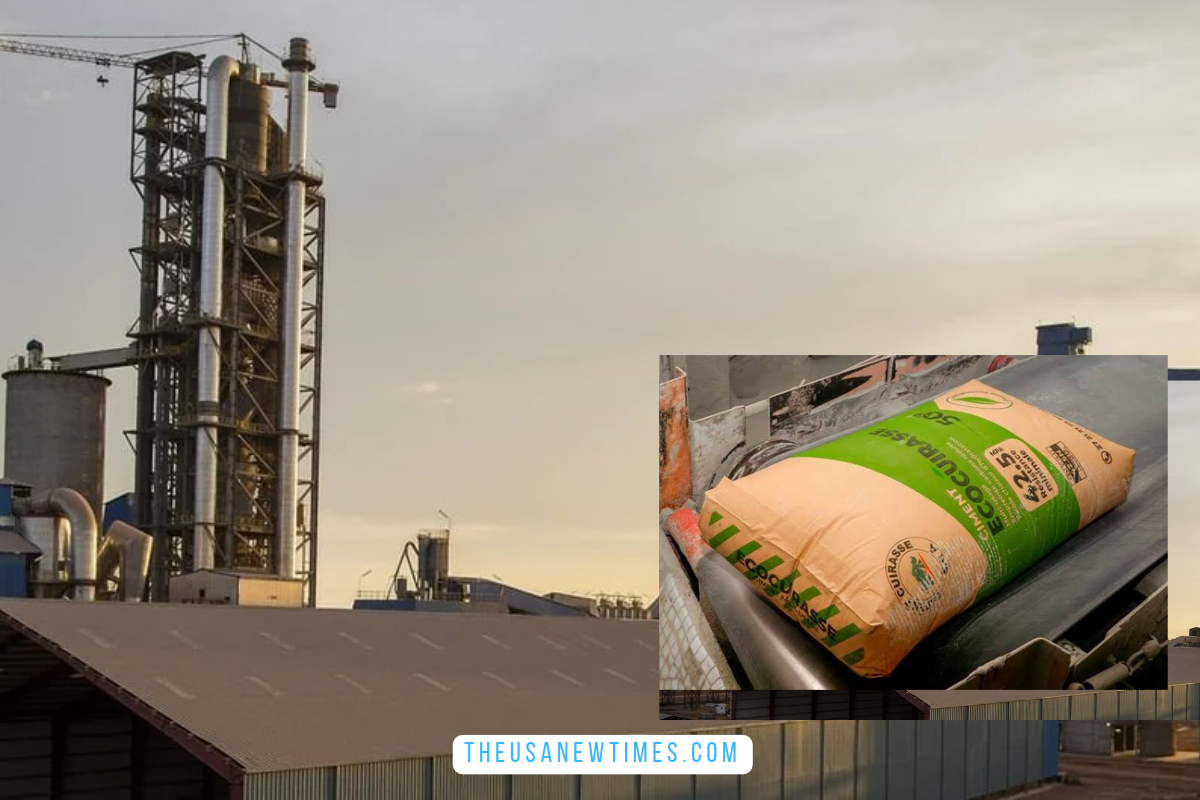
According to an official statement from the AfDB, the funding will back Ciments écologiques de Côte d'Ivoire in building the facility in Attingué, located north of Abidjan. Once operational, the industrial complex will comprise two core components:
Calcined-Clay Plant: Engineered to produce 350,000 tonnes of calcined clay per year.
Grinding Facility: Built with an annual production capacity of up to 500,000 tonnes of cement.
Cutting Emissions Through Local Innovation
Traditional cement manufacturing is among the most carbon-intensive industries globally, largely due to the production of clinker. The Attingué project directly addresses this challenge by utilizing locally sourced clay and limestone to manufacture limestone calcined clay cement.
By replacing a significant portion of the clinker required in conventional cement, the new facility will simultaneously lower the construction sector’s carbon footprint and curb the country’s heavy reliance on imported clinker.
Strengthening Domestic Value Chains
Beyond its environmental impact, the AfDB noted that the initiative is poised to deliver substantial economic dividends for Côte d’Ivoire. By shifting toward locally sourced raw materials, the project is expected to:
Retain greater economic value within Côte d’Ivoire.
Strengthen domestic industrial supply chains.
Insulate local builders and developers from price volatility and supply chain disruptions tied to imported clinker.
Highlighting the broader significance of the deal for Africa's rapid urbanization, Solomon Quaynor, AfDB Vice President for Private Sector, Infrastructure and Industrialization, underscored that development and sustainability can go hand in hand.
"The investment demonstrates that growing demand for construction materials can be met without perpetuating carbon-intensive manufacturing," Quaynor said.