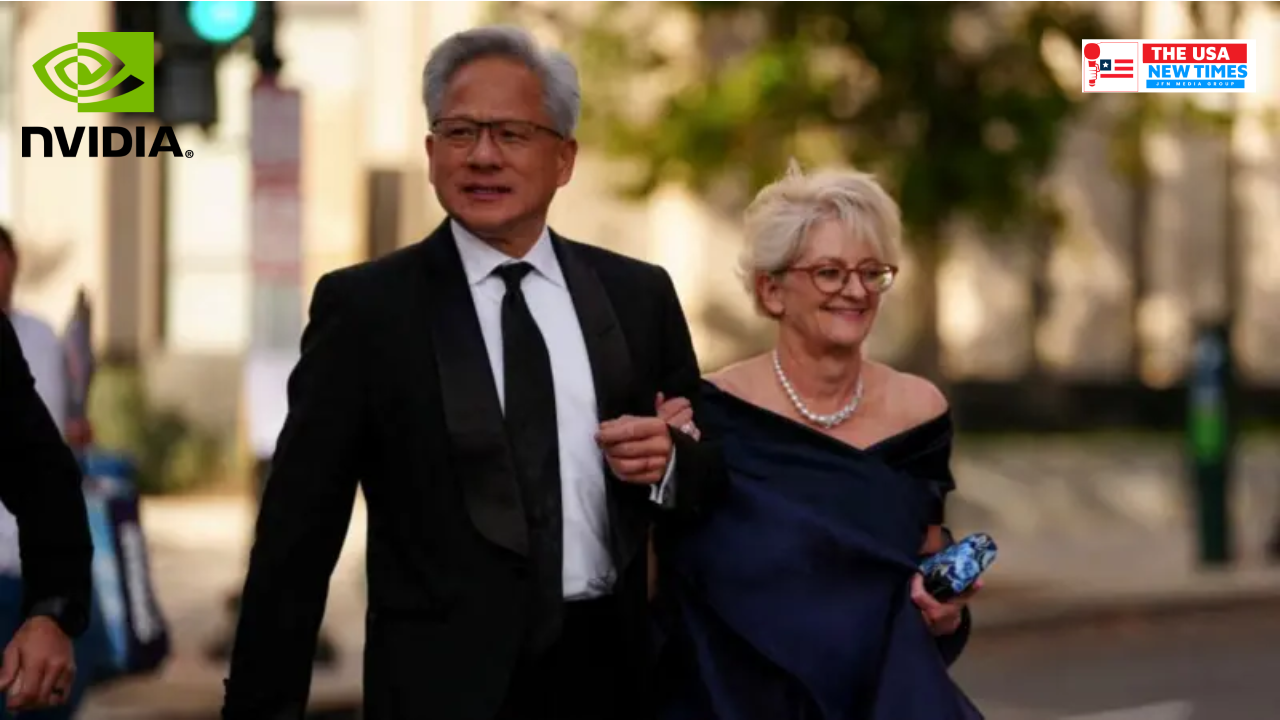
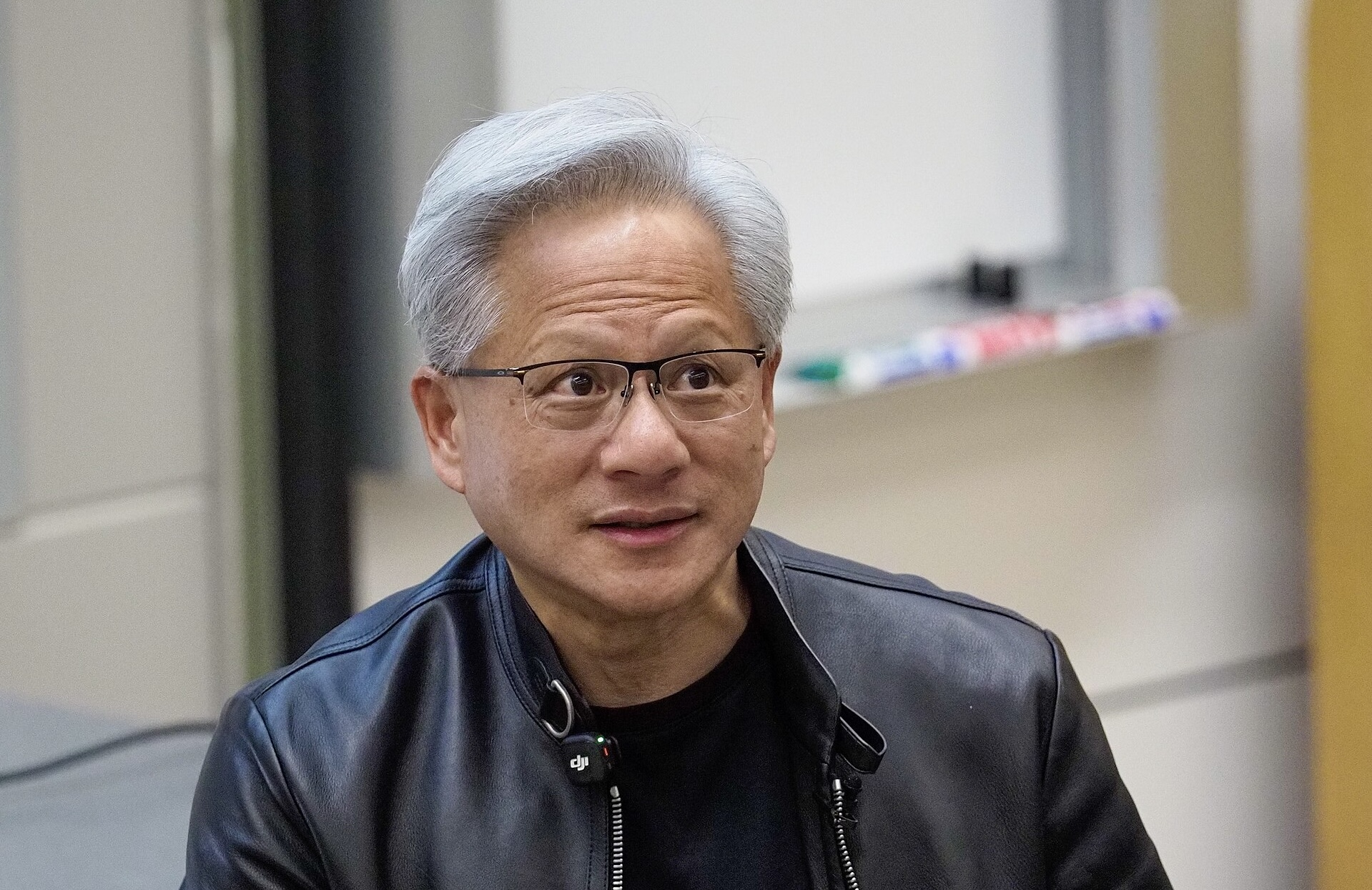
SANTA CLARA, CALIFORNIA — Questions surrounding the future leadership of NVIDIA have emerged following unconfirmed reports suggesting that Jensen Huang, the company’s co-founder and longtime Chief Executive Officer, may be stepping down from his position.
The development has drawn attention to the future direction of one of the world’s most influential technology companies, whose innovations have helped accelerate the global expansion of artificial intelligence and advanced computing.
However, Huang’s departure has not been independently confirmed, and no verified corporate announcement establishing a leadership transition was available at the time of publication.
Since co-founding NVIDIA in 1993, Huang has played a pivotal role in establishing the company as a global leader in semiconductor technology.
Originally recognized for developing graphics processing units for gaming and visual computing, NVIDIA subsequently expanded into artificial intelligence, high-performance computing, robotics and advanced data centre infrastructure.
Huang’s strategic emphasis on accelerated computing helped position the company at the centre of the artificial intelligence revolution, making its technologies essential to research institutions, multinational corporations and emerging technology enterprises.
Any confirmed departure by Huang would mark a significant moment in NVIDIA’s corporate history.
His leadership has been closely associated with the company’s technological ambitions, international partnerships and sustained investment in advanced computing infrastructure.
A leadership transition could also attract considerable attention from investors and industry analysts seeking clarity regarding NVIDIA’s future management structure, innovation strategy and competitive position.
NVIDIA’s importance extends far beyond the semiconductor industry. Its computing technologies support developments in healthcare, scientific research, autonomous transportation, cybersecurity and industrial automation.
The company’s expanding international presence has also strengthened its relationships with governments, research institutions and private enterprises seeking to develop artificial intelligence capabilities.
As global competition intensifies over semiconductor manufacturing and advanced computing technologies, NVIDIA’s corporate direction remains important to the broader digital economy.
Despite the attention surrounding Huang’s professional future, any definitive assessment of a possible leadership change requires confirmation through official corporate disclosures.
Until such information becomes available, the company’s leadership status should not be considered changed.
Regardless of the outcome, Huang’s contributions to semiconductor innovation and artificial intelligence have established an enduring legacy in the global technology industry.