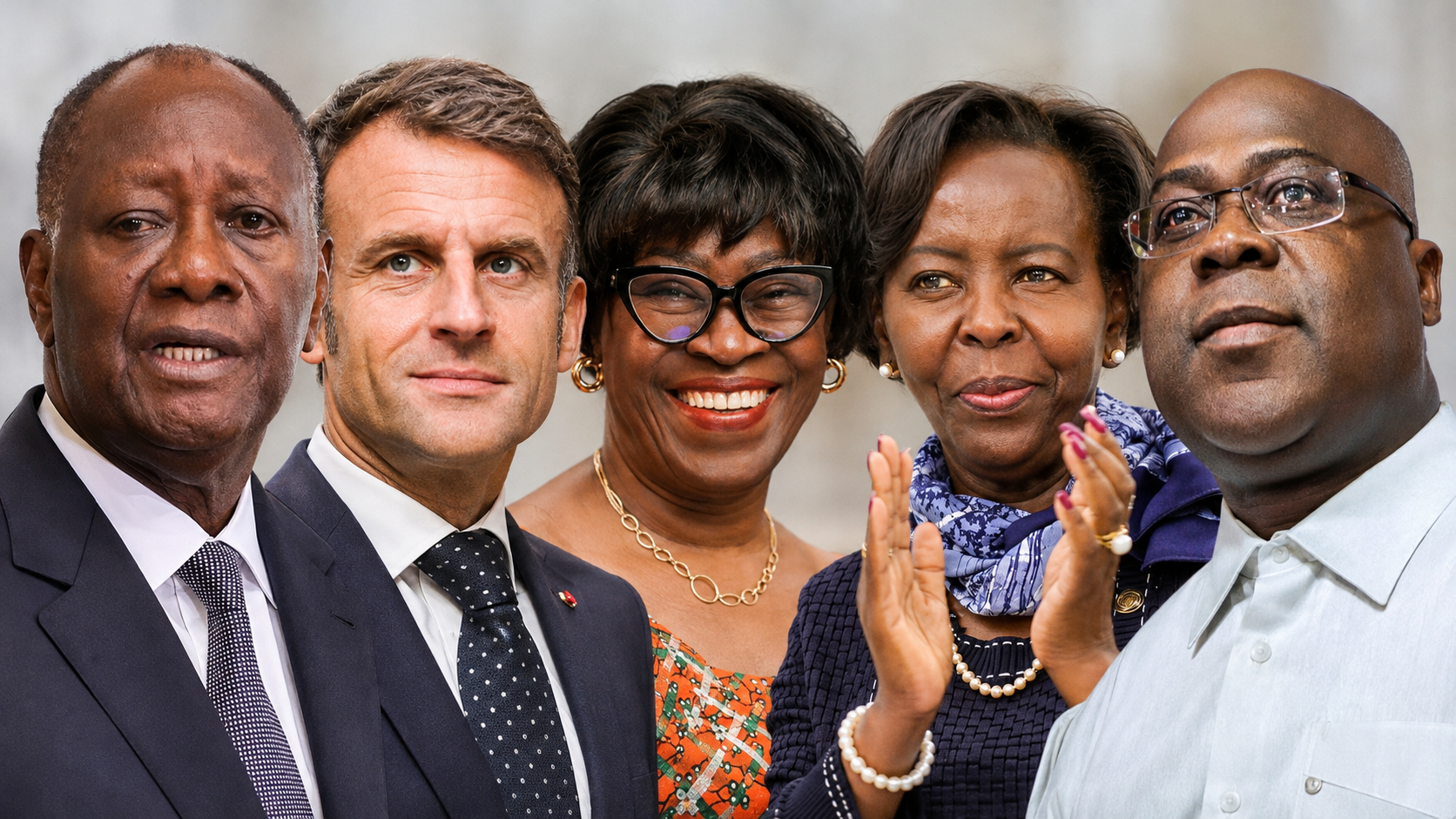
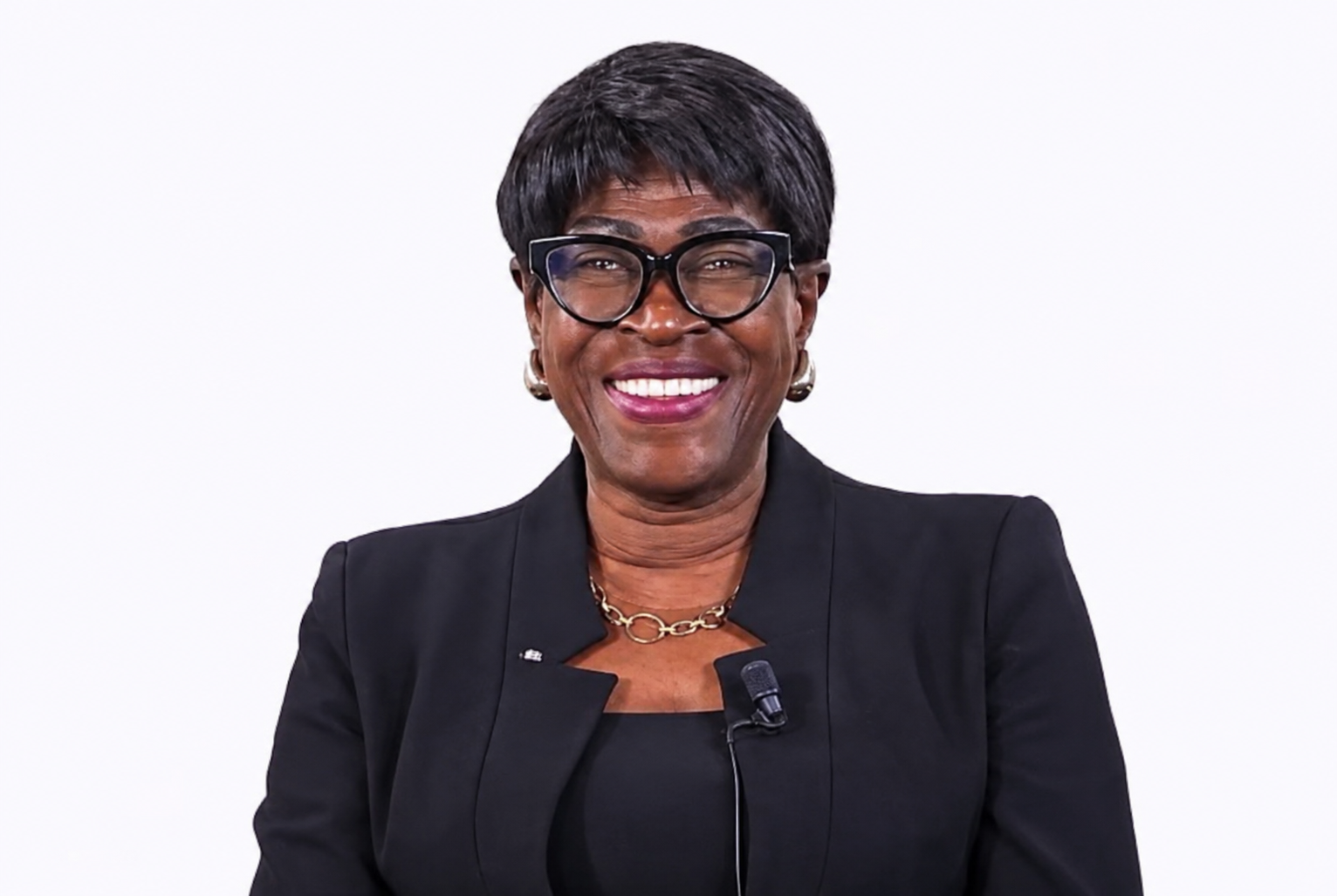
PHNOM PENH, Cambodia — The Democratic Republic of Congo has announced plans to withdraw its candidate from the leadership contest for the International Organisation of La Francophonie (OIF), marking a significant diplomatic development as Rwanda maintains its support for incumbent Secretary-General Louise Mushikiwabo ahead of the November 16 election.
Kinshasa’s decision to withdraw Juliana Amato Lumumba from the race comes amid efforts to secure a consensus candidate for the organisation’s next leadership mandate. Congolese authorities have indicated their willingness to support former Romanian Prime Minister Dacian Cioloș, introducing a European alternative to Mushikiwabo’s bid for a third term.
The proposed withdrawal represents a notable change in the DRC’s diplomatic strategy, particularly given its earlier determination to challenge Mushikiwabo’s continued leadership.
Rwanda, however, has maintained its position, emphasising that the selection of the organisation’s secretary-general should respect established institutional procedures and the sovereign rights of member states to nominate candidates.
The development has also brought renewed attention to African representation within La Francophonie, where African countries constitute a substantial proportion of the organisation’s membership.
Rwanda’s position reflects its support for continued African leadership and the importance of maintaining continental diplomatic coordination. The prospect of Kinshasa supporting a European candidate has raised questions about the implications for African solidarity and the African Union’s approach to international institutional leadership.
Mushikiwabo, who has headed the organisation since January 2019, is seeking another mandate at a time when La Francophonie faces evolving priorities involving education, cultural cooperation, economic development, digital transformation and international diplomacy.
Her candidacy places continuity and institutional experience at the centre of the leadership debate.
The diplomatic contest also unfolds against a wider background of regional tensions between Rwanda and the DRC, particularly concerning the security situation in eastern Congo.
International human rights organisations and United Nations experts have documented serious violations affecting civilian populations in eastern DRC, including ethnic discrimination, forced displacement, attacks against communities and inflammatory rhetoric targeting Congolese Tutsi populations.
The Banyamulenge, a Congolese Tutsi community concentrated in South Kivu, have faced longstanding challenges involving ethnic hostility, insecurity and disputes over citizenship and national belonging.
These concerns have prompted repeated calls for stronger civilian protection, accountability for perpetrators and measures to prevent ethnic persecution and mass atrocities.
The gravity of these human rights concerns has placed additional attention on the Congolese government’s responsibility to protect all citizens equally, irrespective of their ethnic background.
Although the human rights situation is distinct from the formal Francophonie leadership election, it remains relevant to broader international discussions about governance, democratic principles and the responsibilities of states participating in multilateral institutions.
The OIF promotes peace, democracy, human rights and cooperation among its member states. These principles underscore the importance of protecting vulnerable communities and addressing discrimination wherever it occurs.
Kinshasa’s withdrawal announcement therefore comes at a politically sensitive moment, when its diplomatic ambitions and domestic governance challenges are attracting international attention.
Nevertheless, there is no established evidence that international criticism concerning the treatment of Congolese Tutsi communities directly prompted the decision to withdraw Lumumba’s candidacy. Congolese authorities have instead presented the move as part of an effort to encourage consensus within La Francophonie.
For Rwanda, the immediate diplomatic priority remains Mushikiwabo’s candidacy and the preservation of a transparent selection process that respects the rights of participating member states.
As the November 16 election approaches, the contest will test the ability of Francophonie members to navigate competing diplomatic interests while maintaining the organisation’s commitment to cooperation and institutional stability.
The outcome will also carry broader significance for Africa’s representation in international institutions and the future direction of the French-speaking community.
With Kinshasa reconsidering its candidacy and Kigali standing firmly behind Mushikiwabo, attention now turns to whether member states will reach a consensus or proceed to a competitive election.
Beyond the leadership contest, the continuing humanitarian and security challenges in eastern Congo remain an urgent international concern, particularly for Congolese Tutsi communities seeking protection, equal citizenship and freedom from ethnic persecution.