KIGALI, RWANDA — Rwanda has firmly defended its sovereign right to nominate candidates for international leadership positions after France sought the withdrawal of Louise Mushikiwabo from the race for Secretary-General of the International Organisation of La Francophonie (OIF), setting the stage for a consequential diplomatic contest ahead of the organisation’s leadership election in Cambodia.
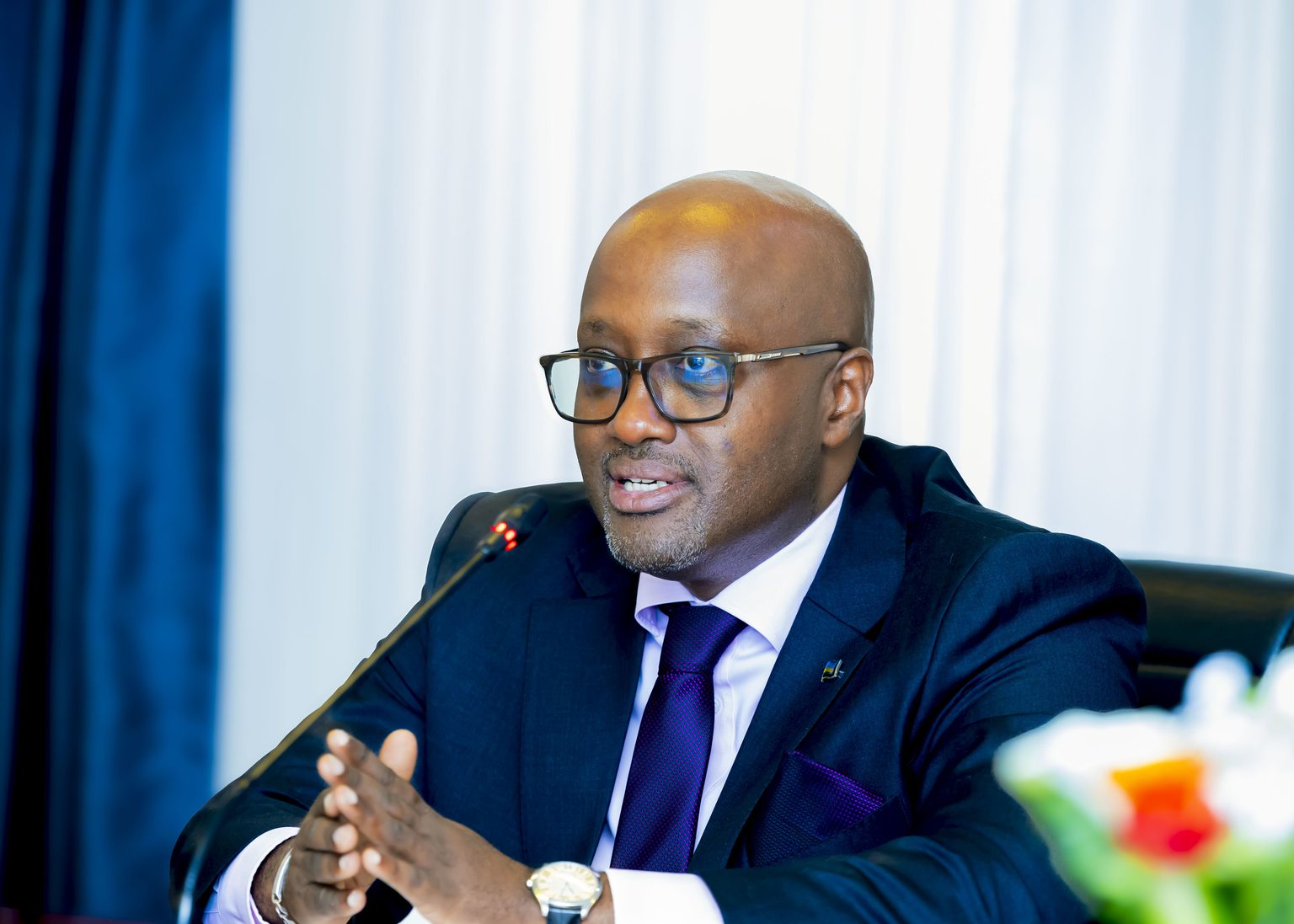
Rwanda’s Minister of Foreign Affairs and International Cooperation, Ambassador Olivier Nduhungirehe, confirmed that Paris had approached Kigali requesting the withdrawal of Mushikiwabo, who is seeking a third four-year term at the helm of the French-speaking international organisation.
The election is scheduled for November 16, 2026, during the 20th Francophonie Summit in Phnom Penh, Cambodia, where member states are expected to determine the organisation’s future leadership.
Speaking during an interview with Rwanda Broadcasting Agency (RBA), Nduhungirehe maintained that the selection of candidates remains the sovereign prerogative of individual member states and must be governed by the organisation’s established electoral procedures rather than external political pressure.
“Rwanda is not a country that takes orders from another country, however wealthy that country may be,” Nduhungirehe declared, emphasising Rwanda’s commitment to sovereign equality and institutional independence.
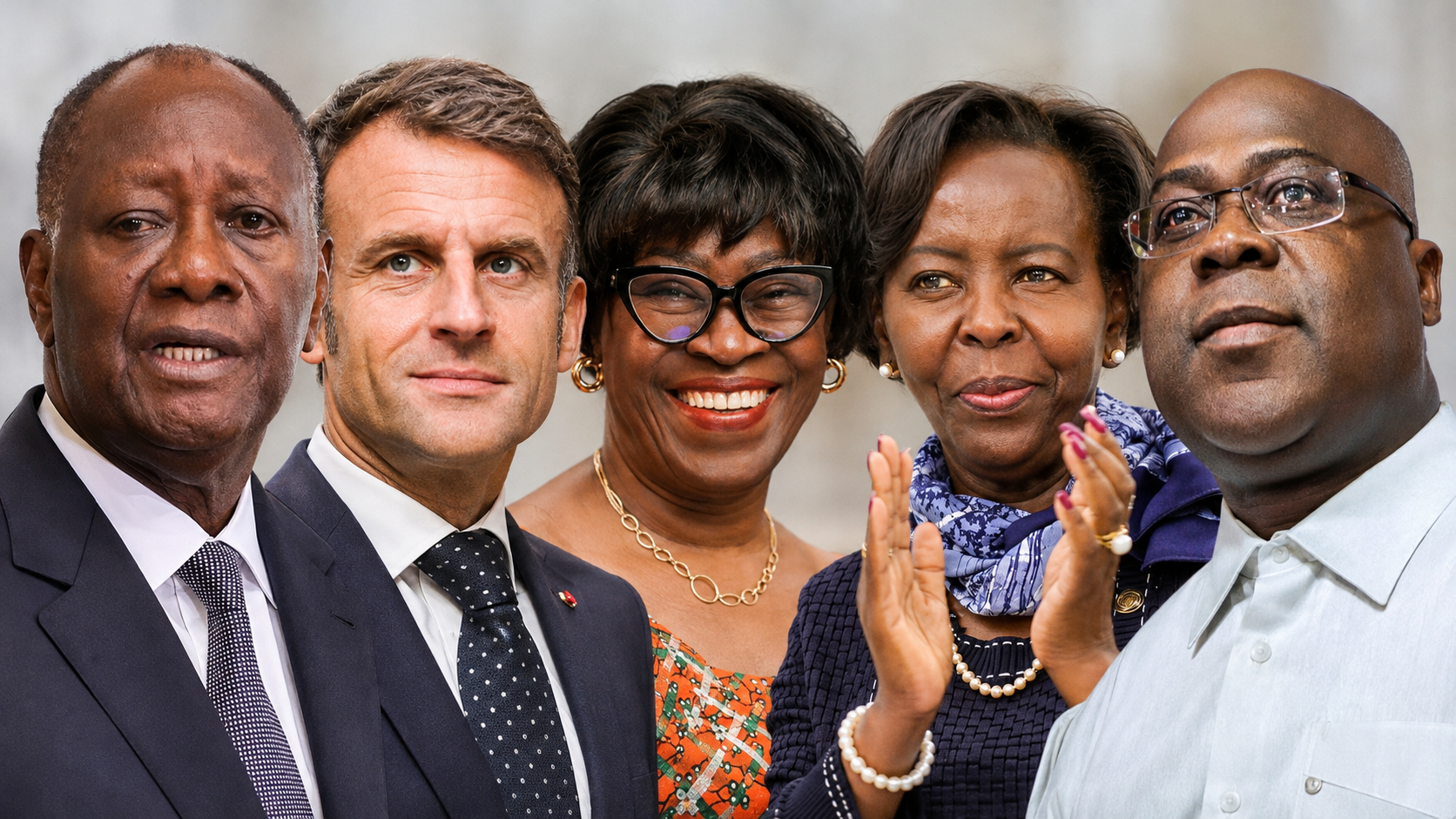
The diplomatic disagreement follows reporting by Jeune Afrique on November 13 indicating that French President Emmanuel Macron had communicated directly with H.E President Paul Kagame, seeking Rwanda’s cooperation in establishing a single consensus candidate for the OIF leadership.
According to the report, Macron proposed that Rwanda withdraw Mushikiwabo to facilitate broader agreement among member states and prevent potential divisions within the organisation.
France has reportedly expressed support for Dacian Cioloș, Romania’s former prime minister, as a possible consensus candidate. The diplomatic initiative also involved discussions with the Democratic Republic of Congo and Mauritania, whose candidates, Juliana Amato Lumumba and Coumba Bâ, respectively, had entered the leadership contest.
The Democratic Republic of Congo subsequently issued communications concerning Lumumba’s candidacy and possible support for Cioloș. However, two versions of its foreign ministry’s statement circulated with different wording, creating uncertainty over whether the withdrawal and endorsement had been formally finalised.
Rwanda’s position reflects a broader debate over the balance between diplomatic consensus and democratic decision-making within international institutions.
Under electoral procedures revised in 2022, OIF member states are expected to seek consensus when selecting their Secretary-General. Where agreement cannot be achieved, the organisation provides for a secret ballot among its 53 full members entitled to vote.
The Secretary-General serves a renewable four-year mandate, and the rules described in the current electoral framework do not establish a fixed limit on the number of terms.
Consequently, Mushikiwabo’s pursuit of another mandate remains consistent with the organisation’s electoral provisions.
Nduhungirehe also drew attention to the 2014 Francophonie Summit in Dakar, Senegal, where negotiations among competing candidates eventually resulted in the selection of former Canadian Governor General Michaëlle Jean.
The minister suggested that the organisation has since evolved institutionally, with clearer procedures intended to ensure that leadership decisions reflect the collective will of member states rather than the preferences of individual influential governments.
Mushikiwabo, a former Rwandan foreign minister, has led the OIF since 2019, following her election in 2018. Her leadership has coincided with continuing discussions about the organisation’s international relevance, institutional effectiveness, cultural cooperation and engagement with younger generations across the Francophone world.
Her candidacy has also attracted attention amid diplomatic differences between Rwanda and the Democratic Republic of Congo, whose government has expressed opposition to another term for the incumbent Secretary-General.
Congolese President Félix Tshisekedi has previously raised the possibility of his country reconsidering its membership in the organisation should Mushikiwabo secure re-election. Many experts believe that this is a reason why France has been trying to push Rwanda to withdraw its candidate from OIF
For Rwanda, however, the central issue extends beyond an individual candidacy. Rwanda maintains that all eligible member states should enjoy equal rights in presenting candidates and participating in leadership decisions, regardless of their economic influence or geopolitical standing.
The dispute places France’s preference for a negotiated outcome alongside Rwanda’s insistence that established institutional procedures remain available to every participating country.
With the November 16 election approaching, diplomatic consultations are expected to intensify as member states consider whether a common candidate can emerge or whether the leadership question should be settled through a formal vote.
The outcome will determine not only the next Secretary-General but also how the Francophonie reconciles competing diplomatic interests with its commitment to sovereign equality, institutional legitimacy and collective decision-making.
For Rwanda, the message remains unmistakable: international cooperation must respect the independence of member states, and the future leadership of La Francophonie should ultimately be determined through the rules governing the organisation itself.