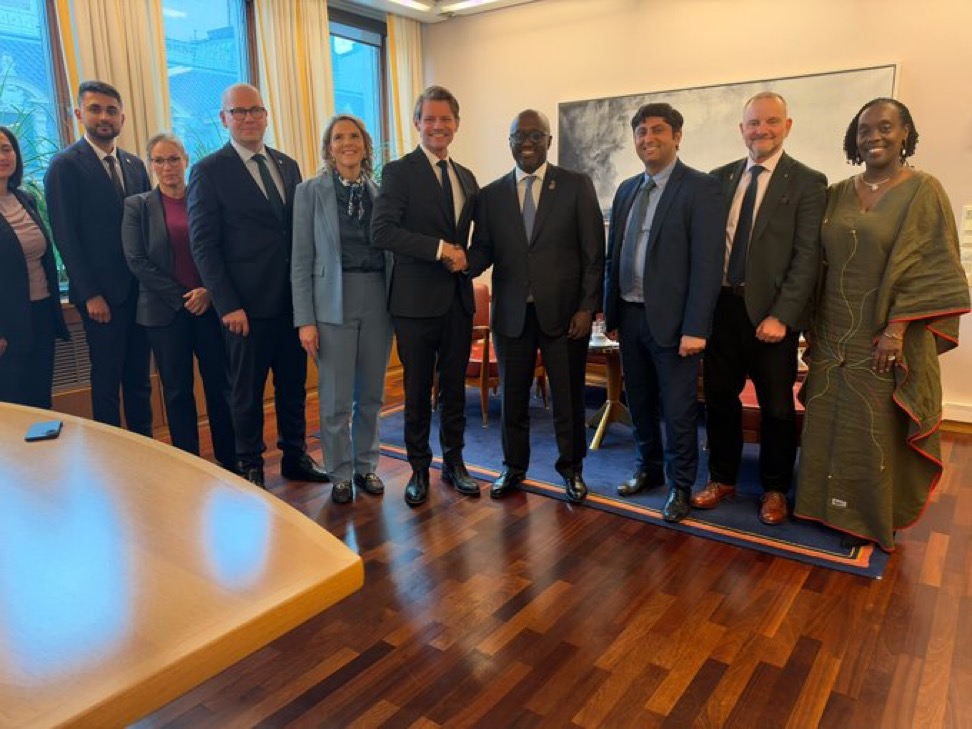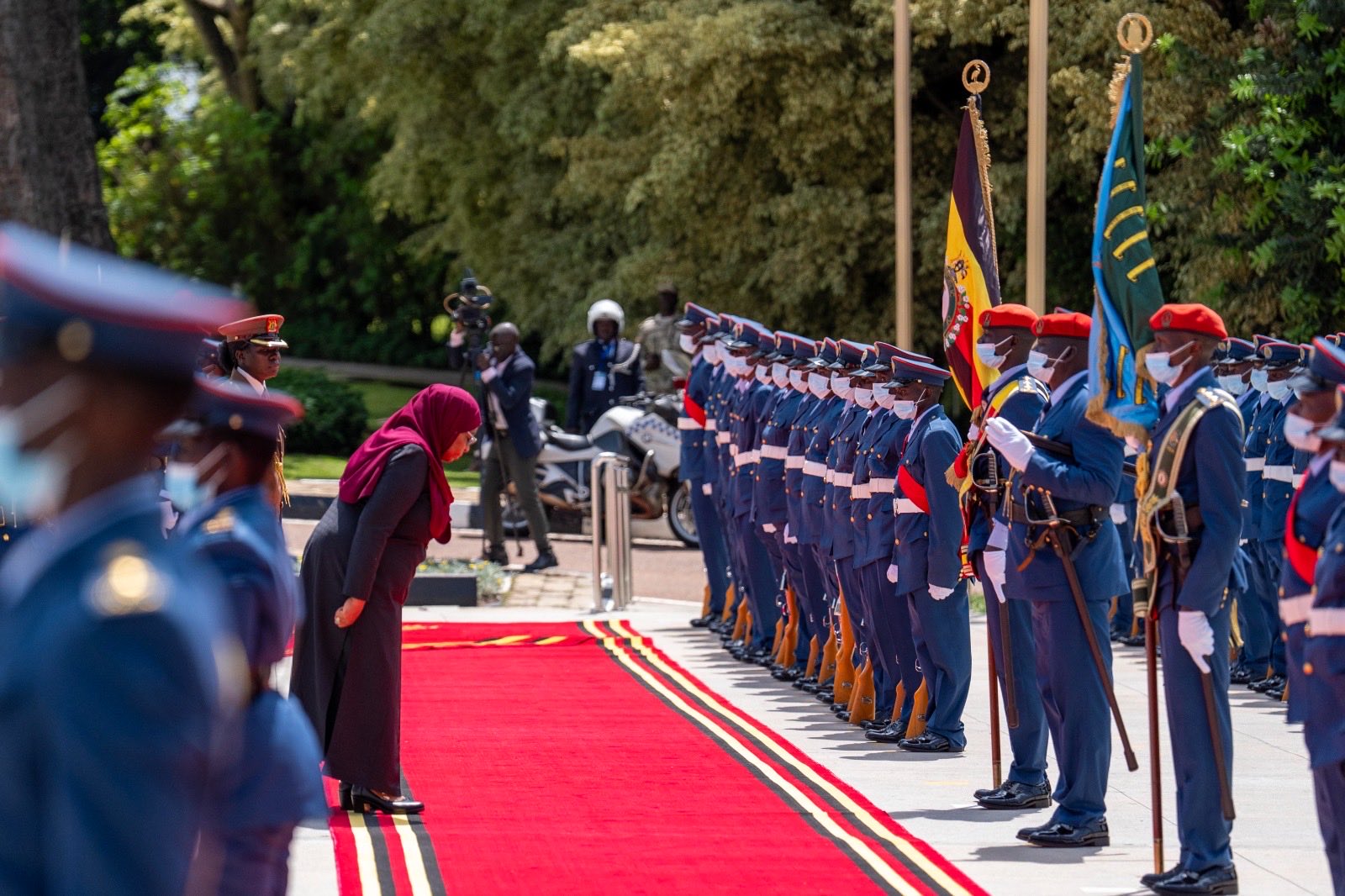
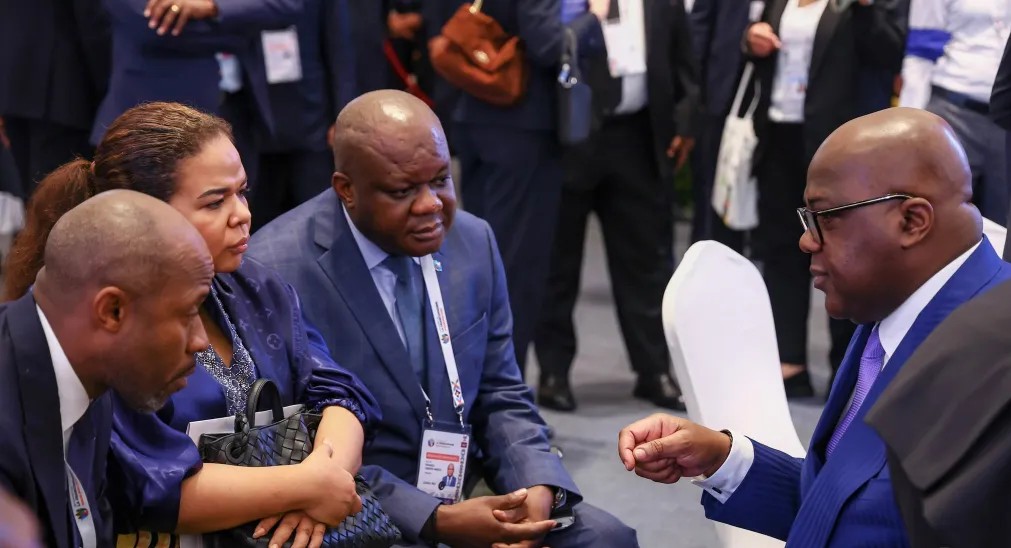
At the 20th Summit of the Organisation Internationale de la Francophonie (OIF) in Phnom Penh, Cambodia, which opened on November 15, 2026, the Democratic Republic of Congo (DRC) launched an aggressive diplomatic offensive to block Rwandan incumbent Louise Mushikiwabo from retaining leadership of the French-speaking bloc. First elected in 2018 and re-elected in 2022, Mushikiwabo faced fierce opposition from Kinshasa over the ongoing conflict in eastern Congo, where the DRC accuses Kigali of backing M23 rebels—an allegation Rwanda denies. Determined to force a leadership change, President Félix Tshisekedi’s government initially fielded its own candidate, former minister Juliana Amato Lumumba, while warning that the DRC would follow Mali, Niger, and Burkina Faso—who withdrew in 2025—and quit the organization altogether if Mushikiwabo secured a third four-year term.
Just ahead of the summit on November 14, 2026, Kinshasa attempted to outmaneuver Kigali by abruptly withdrawing Lumumba’s candidacy and throwing its weight behind former Romanian Prime Minister Dacian Cioloș. The move followed behind-the-scenes lobbying by French President Emmanuel Macron, who urged unity and pushed for a "compromise" candidate to prevent an institutional rupture. Tshisekedi actively campaigned for Cioloș behind closed doors, betting that uniting behind a European alternative—paired with the threatened exit of the world's second-largest Francophone nation—would compel member states to oust Rwanda from the OIF’s top post.
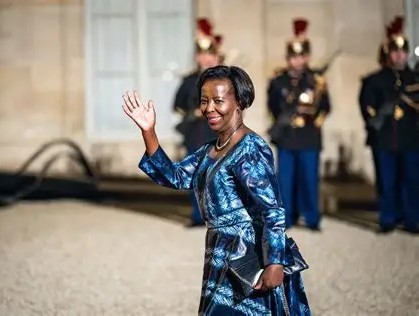
Despite the coordinated pressure from Kinshasa and Paris, the DRC failed to immediately remove Rwanda from the organization’s leadership. Kigali stood firm, with Mushikiwabo refusing to step down "as a matter of principle" and insisting that the OIF follow its 2022 Unified Rules of Procedure, which mandate a majority vote by the 53 full member states if consensus fails. Because African nations hold 27 of those 53 votes—and many members were reluctant to bow to former colonial pressure or sideline an African incumbent for a European contender—Mushikiwabo retained a strong electoral foothold that prevented Kinshasa from forcing an immediate ouster.
Faced with a bitter impasse and the risk of fracturing the bloc, regional leaders led by Senegal and summit host Cambodia brokered a face-saving compromise on November 16, 2026. Rather than holding a divisive vote or installing an interim administrator as Tshisekedi had initially demanded, heads of state agreed to postpone the Secretary-General election for 12 months until November 2027. Crucially, the deal left Mushikiwabo in office for a one-year transitional mandate, allowing Rwanda to retain the helm of the Francophonie while member states work to clarify the bloc's appointment rules.
Still, both capitals rushed to spin the November 16 outcome as a diplomatic victory. Congolese Foreign Minister Thérèse Kayikwamba Wagner hailed the agreement as a "wise compromise," emphasizing that Mushikiwabo’s extension is strictly capped at twelve months and asserting that Rwanda committed not to field a candidate when the postponed election takes place in 2027. Conversely, Rwandan officials maintained that Mushikiwabo’s continued leadership validates her institutional reforms and ensures operational stability over the coming year.
Ultimately, the Phnom Penh standoff demonstrated the limits of Kinshasa’s diplomatic leverage within multilateral institutions. The DRC fell short of its primary goal of immediately stripping Rwanda of OIF leadership.