
When President Donald Trump stood alongside Rwandan President Paul Kagame and Congolese President Félix Tshisekedi in 2025 to sign the Washington Peace Agreement, the moment was rightly hailed as a diplomatic breakthrough. After nearly three decades of bloodshed in eastern Democratic Republic of Congo (DRC), the United States had finally brokered a comprehensive framework later expanded into the December 4, 2025 Washington Accords for Peace and Prosperity that tied regional economic integration to a clear, pragmatic security bargain.
One year later, however, that hard-won diplomatic achievement is in jeopardy. And ironically, the greatest threat to the Washington Accords may now be Washington itself.
The core logic of the June 27, 2025 agreement was simple and mutually binding: Kinshasa committed to neutralizing the FDLR a genocidal militia linked to the perpetrators of the 1994 Genocide against the Tutsi and Rwanda committed to subsequently lifting its defensive measures against the group. It was a balanced equation designed to address the legitimate security concerns of both nations while complementing the Doha peace process between Kinshasa and the AFC/M23.
Yet, in practice, the Trump administration’s enforcement of the deal has been anything but balanced. By slapping US Treasury Department sanctions on Rwanda’s military and defense institutions while turning a blind eye to Kinshasa’s failure to dismantle the FDLR, Washington has abandoned the most fundamental rule of conflict resolution: a mediator cannot be both referee and partisan.
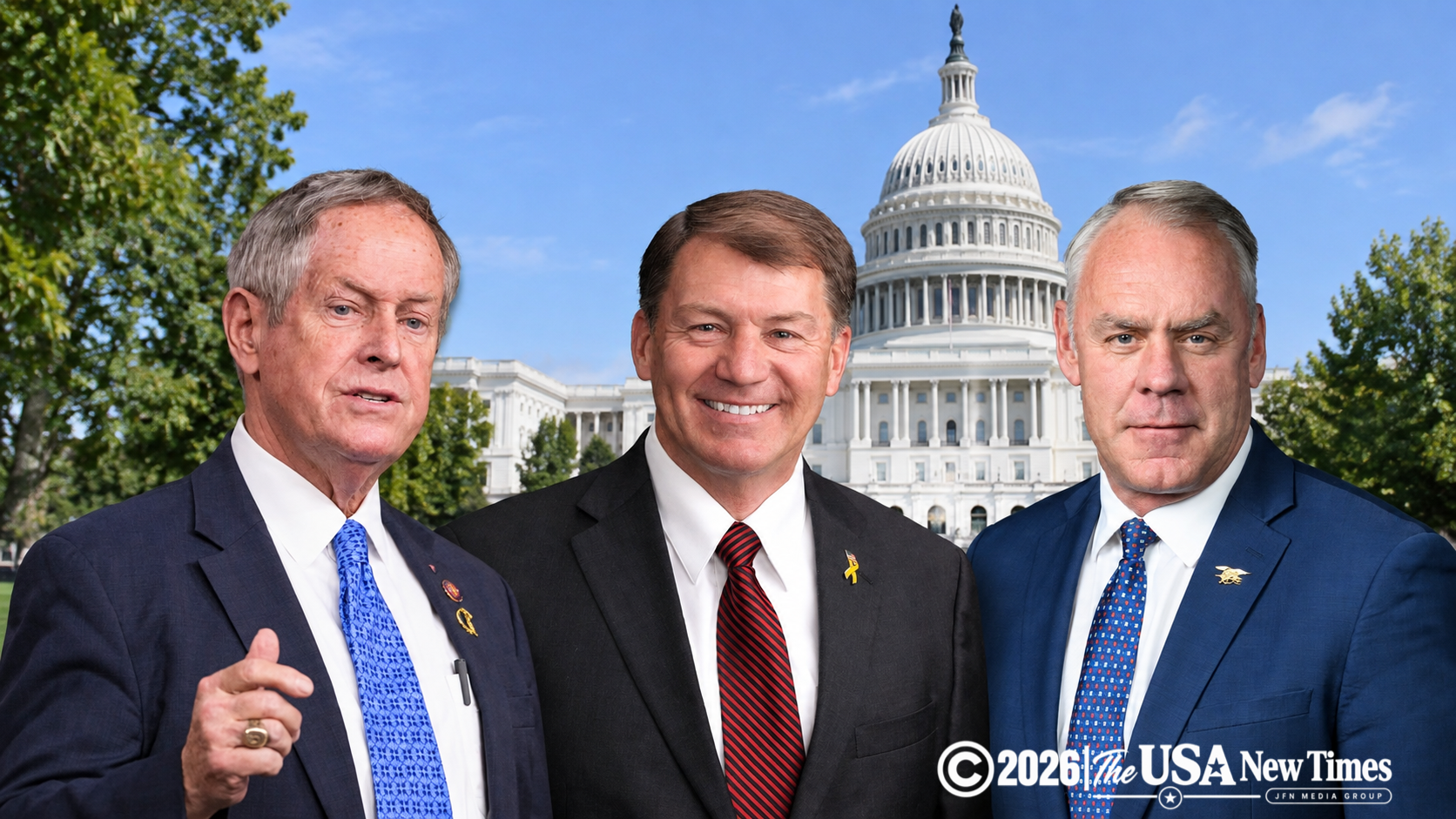
Fortunately, voices of reason are beginning to push back from within the US capital. In a pointed November 16 letter to Treasury Secretary Scott Bessent, Senator Michael Rounds and Representatives Joe Wilson and Ryan Zinke warned that the administration’s lopsided approach is actively sabotaging the peace process. Their assessment is as sharp as it is obvious: weakening one party to an agreement through punitive sanctions only emboldens the other to abandon diplomacy in favor of a military solution.
This double standard has been building for months. During a House Foreign Affairs Committee hearing in June 2026, it was noted that Rwanda had complied with its obligations just not at the pace Washington preferred. Conspicuously absent was any comparable scrutiny of Kinshasa’s progress, or lack thereof. Holding one government to a stopwatch while giving the other a blank check is not diplomacy; it is a recipe for diplomatic collapse.
As crisis analysts have rightly pointed out, one-sided sanctions imposed in the middle of a fragile peace process are a strategic dead end. Jean-Baptiste Gasominari’s warning cuts to the heart of the matter: you cannot sanction your way around the root causes of a conflict. As long as the FDLR remains armed, reorganized, and actively collaborating with Congolese and Burundian forces—allegedly supplied with ammunition and medicineea stern DRC will not know peace. Ignoring that existential threat while penalizing Kigali strips the United States of the very credibility it needs to keep both sides at the table.
Rwandan Foreign Affairs Minister Olivier Nduhungirehe captured the frustration of many regional observers when he noted how unfortunate it would be if the very administration that brokered this historic agreement became the one to destroy it through an "increasingly unbalanced and irrational approach." Ambassador Mathilde Mukantabana’s call for "equal resolve" in addressing Rwanda’s security concerns is not a demand for special treatment—it is a demand for the US to honor the exact terms it helped write.
Peace in the Great Lakes region is too fragile, and the stakes for millions of civilians are too high, for Washington to allow its own policy to drift into partisanship. If the Trump administration wants the Washington Accords to be remembered as a triumph of American statecraft rather than another failed paper promise, it must heed the warning from Capitol Hill. Reconsidering the counterproductive sanctions on Kigali and holding Kinshasa equally accountable for neutralizing the FDLR is not just the fair path forward it is the only one that leads to lasting peace.