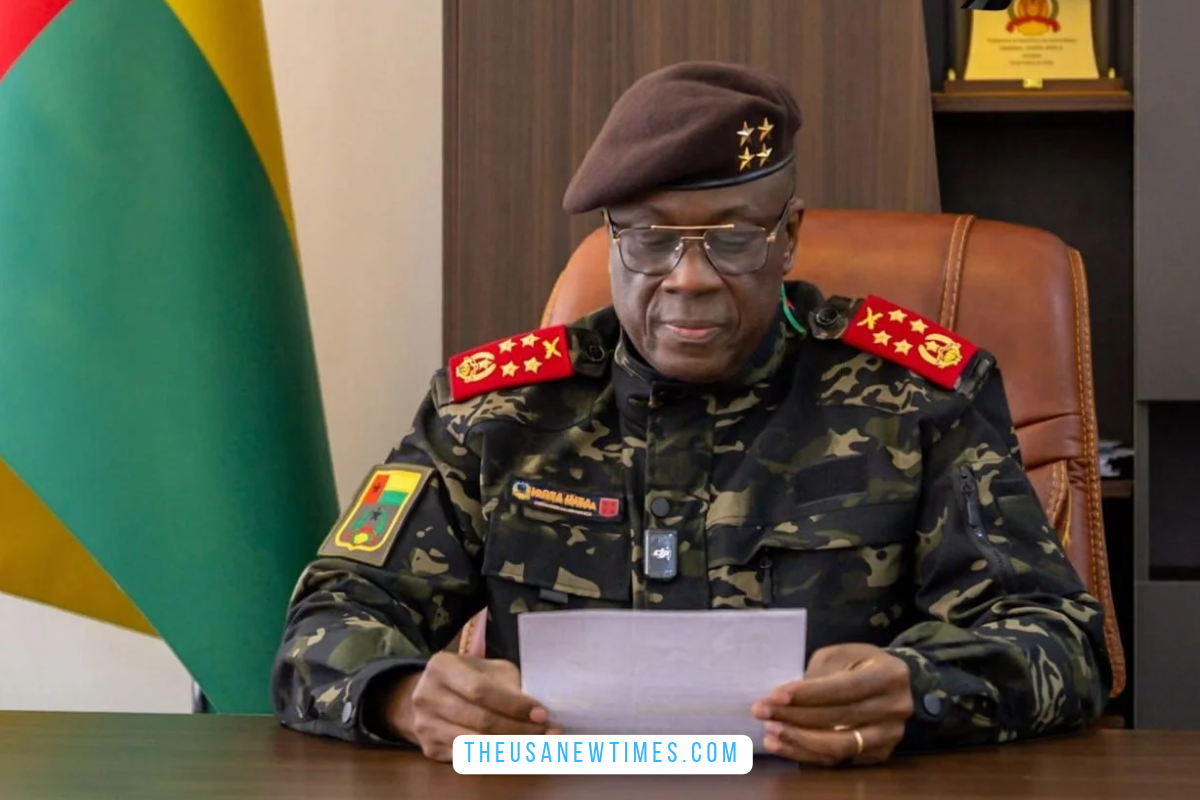
BISSAU, GUINEA-BISSAU — Guinea-Bissau’s military-led transitional government has postponed the country’s upcoming presidential and legislative elections by nearly two years, delaying a promised return to civilian rule.
In a presidential decree issued on Thursday, Transitional President Gen. Horta N'Tam revoked the previous decree that had scheduled the general elections for December 6, 2026, rescheduling the vote for November 26, 2028.
According to the official statement, authorities require additional time to complete the electoral census, establish a new electoral map, and implement planned state reforms. In his decree, N'Tam also cited an insufficiency of the technical, material, and financial conditions necessary to guarantee the legality, transparency, inclusivity, and credibility of the electoral process. He further noted the need to institutionalize local authorities by holding the West African nation's first-ever municipal elections.
Sweeping Overhaul of the Electoral System
Alongside the two-year delay, the transitional presidency outlined significant structural changes introduced to Guinea-Bissau’s electoral framework:
Electoral Districts: Reduced from 29 to 12.
Parliamentary Seats: Cut from 102 to 65.
The restructuring follows constitutional changes recently pushed through by the junta via referendum—despite opposition calls for a boycott—which strengthened presidential powers and trimmed the size of the legislature.
A Delayed Return to Civilian Rule
Thursday’s announcement landed on the exact one-year anniversary of the military takeover. The armed forces seized power on November 26, 2025—just three days after general elections were held and before official results could be announced—overthrowing President Umaro Sissoco Embaló and suspending the electoral process.
Originally intended to restore constitutional order and civilian governance within a year, the December 2026 polls had been closely watched by regional and international observers. By pushing the vote to late 2028, the junta extends military-led rule in a nation that has endured repeated coups and attempted coups since gaining independence from Portugal in 1974.