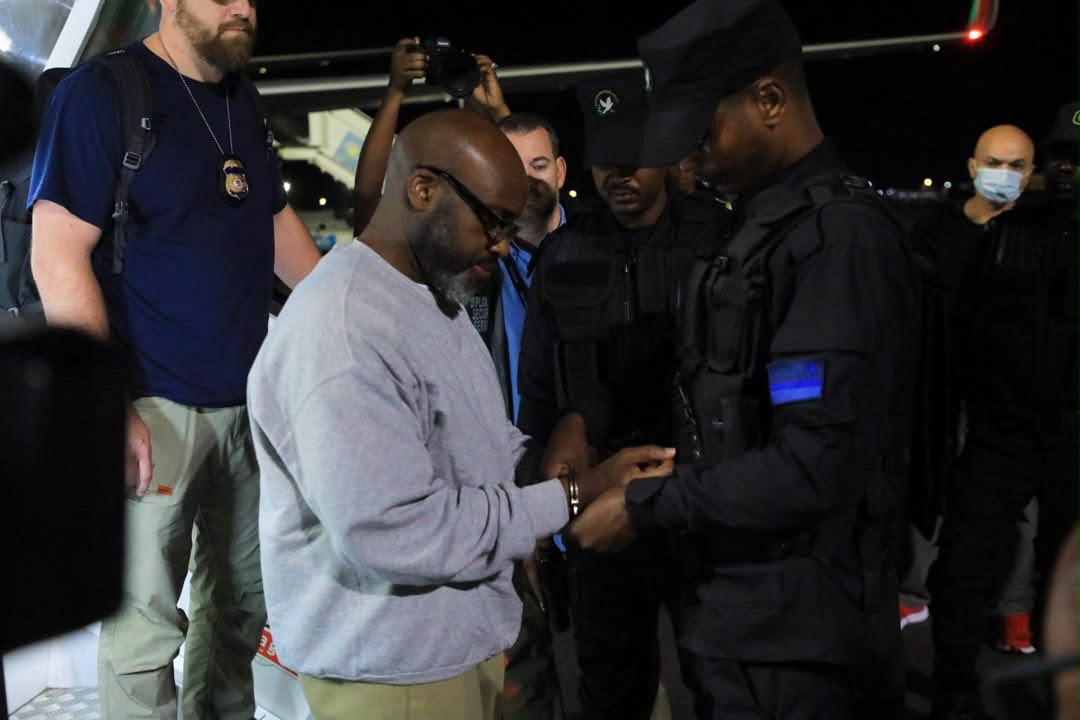
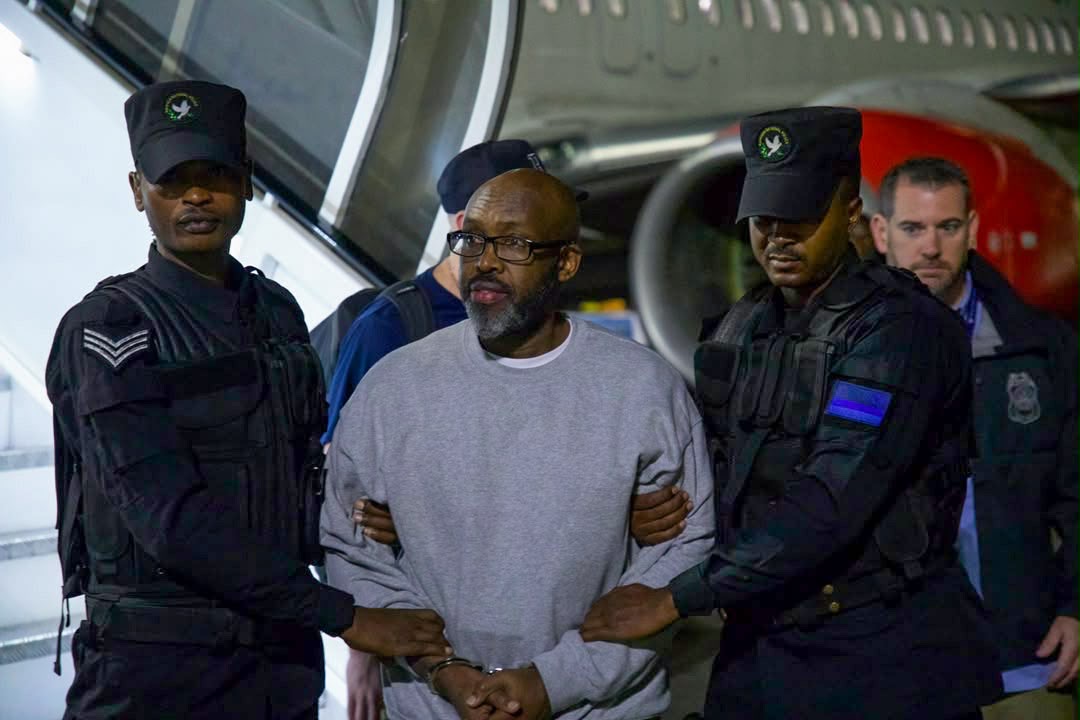
Rwanda has received Jean Léonard Teganya from the United States to face prosecution over his suspected involvement in the 1994 Genocide against the Tutsi, marking another significant development in international judicial cooperation and the continuing pursuit of accountability for genocide-related crimes.
The National Public Prosecution Authority (NPPA) confirmed Teganya’s transfer in an official statement issued in Kigali on Monday, November 9, 2026.
According to the prosecution authority, Teganya was previously indicted in 2014 in connection with genocide and crimes against humanity committed in the former Butare Prefecture during the 1994 Genocide against the Tutsi.
His return represents an important step in Rwanda’s continuing efforts to bring individuals accused of participating in the genocide before the country’s judicial institutions, more than three decades after the atrocities.
From Butare to International Judicial Proceedings
Jean Léonard Teganya was born in 1971 in Gatumba, in what was then Gitarama Prefecture, an area now located within Ngororero District in Rwanda’s Western Province.
According to the NPPA, Teganya was living in the former Butare Prefecture during the 1994 Genocide against the Tutsi.
At the time, he was pursuing medical studies at the National University of Rwanda and was among the students receiving clinical training at the University Hospital of Butare.
Butare, now part of Rwanda’s Southern Province, was among the areas severely affected by the genocide, during which extremist forces and their collaborators systematically targeted Tutsi civilians.
The prosecution authority indicated that Teganya’s criminal indictment dates to 2014, when Rwandan prosecutors formally initiated proceedings concerning his suspected participation in genocide-related crimes.
The specific evidence supporting the charges will be subject to judicial examination as the case proceeds through Rwanda’s legal system.
Rwanda–U.S. Cooperation in Pursuit of Justice
Teganya’s transfer underscores the importance of cooperation between Rwanda and the United States in addressing outstanding genocide cases.
Rwandan authorities have consistently emphasized the need for international collaboration to ensure that individuals sought in connection with the 1994 Genocide against the Tutsi do not evade judicial accountability by residing outside the country.
The United States has been an important partner in international law enforcement cooperation, including efforts involving individuals suspected of genocide-related offenses.
In its November 9 announcement, the National Public Prosecution Authority expressed appreciation to American authorities for their continued collaboration in facilitating the return of genocide suspects and supporting broader international justice initiatives.
The statement also recognized cooperation in legal matters and international efforts aimed at combating genocide ideology, denial and the continued evasion of justice by individuals implicated in genocide crimes.
The transfer reflects the broader principle that geographical borders and the passage of time should not prevent the investigation and prosecution of serious international crimes.
A Continuing Commitment to Accountability
More than 32 years after the 1994 Genocide against the Tutsi, Rwanda continues to pursue accountability through domestic judicial proceedings and cooperation with foreign governments.
The genocide claimed the lives of more than one million people, predominantly Tutsi, during approximately 100 days of systematic violence.
Although numerous perpetrators have faced justice through national courts, the former International Criminal Tribunal for Rwanda and other judicial mechanisms, investigations and prosecutions involving individuals outside Rwanda remain an important component of the country’s post-genocide justice efforts.
The return of suspects from foreign jurisdictions carries particular significance for survivors and families who have waited decades for judicial proceedings concerning crimes committed against their relatives and communities.
Such cases also demonstrate the continuing relevance of international legal cooperation in addressing genocide, crimes against humanity and other grave violations of international criminal law.
Judicial Proceedings and the Presumption of Innocence
With Teganya now in Rwanda, attention will turn to the next stages of the judicial process.
The National Public Prosecution Authority has identified genocide and crimes against humanity as the offenses connected to his 2014 indictment.
His transfer does not, by itself, establish criminal responsibility. Any determination of guilt must be made through the competent judicial process, with applicable procedural protections and the presumption of innocence.
The prosecution’s announcement did not specify a date for his initial court appearance or provide a detailed timetable for subsequent proceedings.
Further information is expected as the case advances through the relevant judicial institutions.
Justice Beyond Borders
Teganya’s arrival in Kigali illustrates the enduring international dimensions of Rwanda’s pursuit of justice for the 1994 Genocide against the Tutsi.
For Rwanda, cooperation with foreign governments remains essential to ensuring that outstanding genocide cases receive appropriate judicial consideration, regardless of where suspects have lived in the intervening decades.
As judicial proceedings move forward, Teganya’s case will become another chapter in Rwanda’s long-running effort to secure accountability, uphold the rule of law and preserve the historical truth of the 1994 Genocide against the Tutsi.