
Kenyan President William Samoei Ruto has concluded a four-day development tour of Kisii and Nyamira counties, highlighting government investments in electricity infrastructure, public services and regional development while emphasizing national unity and economic transformation.
The presidential visit culminated in a public rally in Kisii Town, where large crowds gathered to welcome the Head of State following several days of project launches, inspections and community engagements across the two counties.
President Ruto described the tour as an opportunity to demonstrate his administration’s progress in implementing its development agenda, which prioritizes infrastructure expansion, economic opportunities and improved living standards for Kenyan households.

Among the principal initiatives announced during the visit was the expansion of electricity access through Kenya’s Last Mile Connectivity programme, designed to extend power infrastructure to communities that remain underserved by the national electricity network.
President Ruto launched electricity connectivity projects in Keroka, within Nyaribari Masaba Constituency, and Ibeno, in Kitutu Chache Constituency, both located in Kisii County.
According to information released by the presidency, approximately 3,000 homes in Nyaribari Masaba are expected to benefit from new electricity connections, while an additional 1,200 households in Kitutu Chache have been identified for electrification.
The combined initiatives are expected to extend electricity access to approximately 4,200 households, potentially improving opportunities for small businesses, educational institutions and residential communities.
Reliable electricity is widely recognized as an essential foundation for economic development, particularly in rural and emerging urban communities where access to modern energy services can support entrepreneurship, agricultural processing, digital connectivity and household productivity.
The projects form part of Kenya’s broader efforts to improve electricity accessibility and strengthen the infrastructure required for sustainable economic growth.
Addressing residents during the concluding stages of his tour, President Ruto reflected on the development commitments presented to Kenyan voters during the 2022 presidential campaign.

He maintained that his administration has made substantial progress in translating its policy priorities into practical investments, particularly through infrastructure development and programmes intended to improve everyday living conditions.
The President also expressed appreciation for the reception he received throughout Kisii and Nyamira, interpreting the public engagement as encouragement for his government’s development agenda.
Reflecting on the administration’s performance since taking office, Ruto stated:
“Four years later, we have made remarkable strides in translating those promises into visible outcomes.”
His remarks emphasized the government’s position that measurable development projects remain central to its political mandate and its vision for Kenya’s long-term economic advancement.
Beyond infrastructure development, President Ruto highlighted the importance of political cooperation in advancing Kenya’s national priorities.
He identified the broad-based political arrangement involving the United Democratic Alliance (UDA) and the Orange Democratic Movement (ODM) as an important contributor to the government’s development momentum.
The cooperation between the two political organizations represents a significant element of Kenya’s evolving political environment, with the administration presenting broader engagement as a means of strengthening national cohesion and supporting policy implementation.
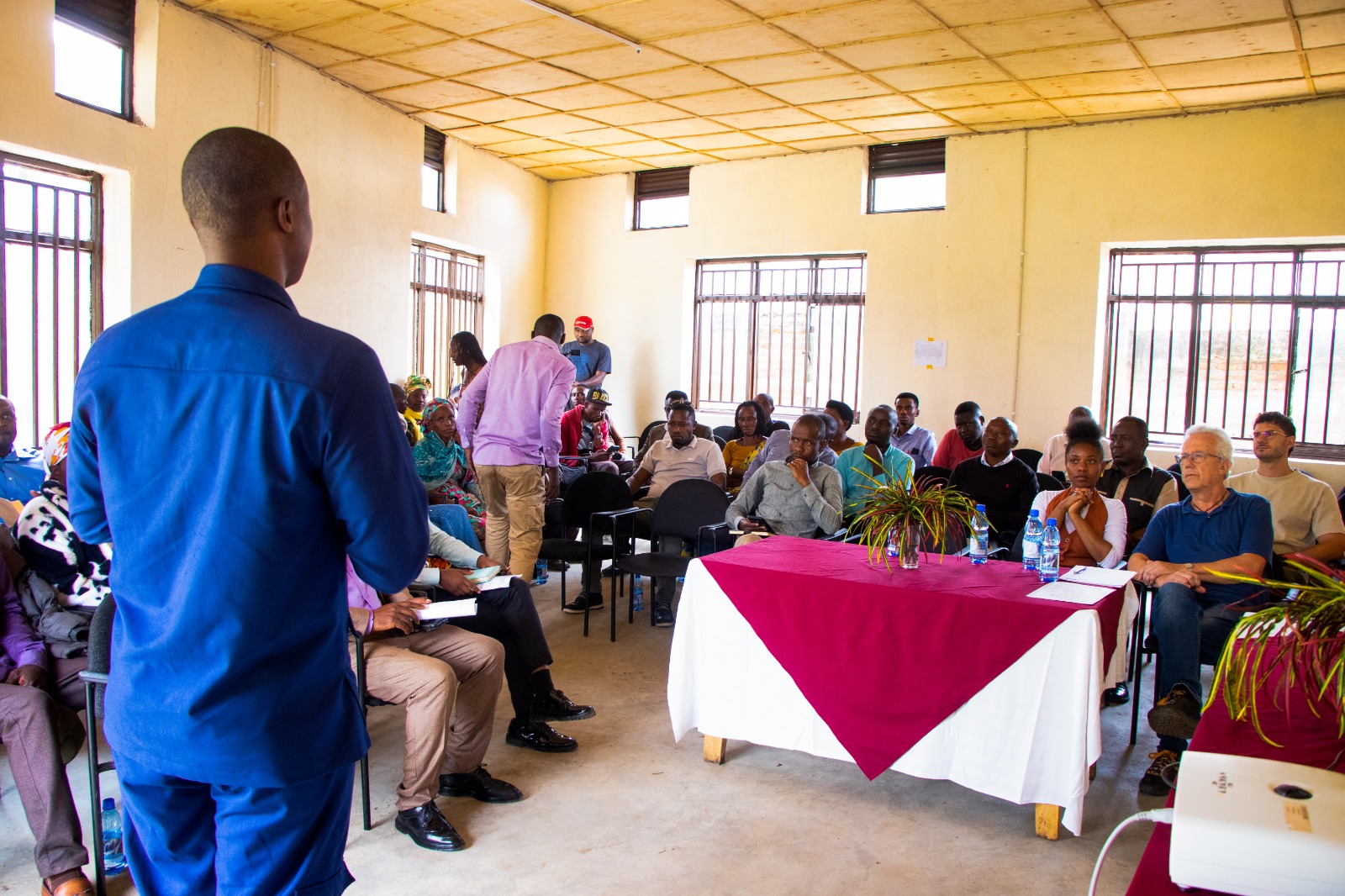
During his interaction with residents of Ibeno in Kitutu Chache Constituency, the President also emphasized unity, equitable development and shared national aspirations.
His message focused on the importance of ensuring that development opportunities extend across communities and regions, regardless of political or geographical differences.
The expansion of electricity infrastructure could have implications beyond household connectivity.
For small and medium-sized enterprises, improved access to power can reduce dependence on alternative energy sources, facilitate longer operating hours and support investments in equipment and technology.
In agricultural communities, electrification can also create opportunities for value addition through processing, refrigeration and improved storage facilities.
Educational institutions and healthcare facilities may similarly benefit from expanded access to reliable electricity, although the extent of these improvements will depend on project implementation, service reliability and affordability.
The anticipated economic benefits underscore the importance of connecting infrastructure investments with broader strategies for employment creation, industrial development and regional economic participation.

The four-day programme concluded with a major public gathering in Kisii Town, where residents assembled along the streets as the presidential delegation moved through the area.
Images shared through the President’s official social media account showed substantial crowds participating in the events, reflecting the public visibility of the tour.
The engagements provided the administration with an opportunity to communicate its development priorities directly to communities while presenting infrastructure projects as evidence of its continuing investment in regional growth.
For residents of Kisii and Nyamira, the longer-term significance of the visit will depend on the successful completion of the announced projects and their ability to deliver practical improvements in electricity access, economic activity and essential services.
As Kenya continues pursuing its national development objectives, the government’s latest initiatives in the two counties illustrate the role of regional infrastructure investment in its wider economic strategy.
The completion of the announced electricity connections will be an important measure of the programme’s impact, particularly for households and businesses seeking greater access to reliable energy and new economic opportunities.