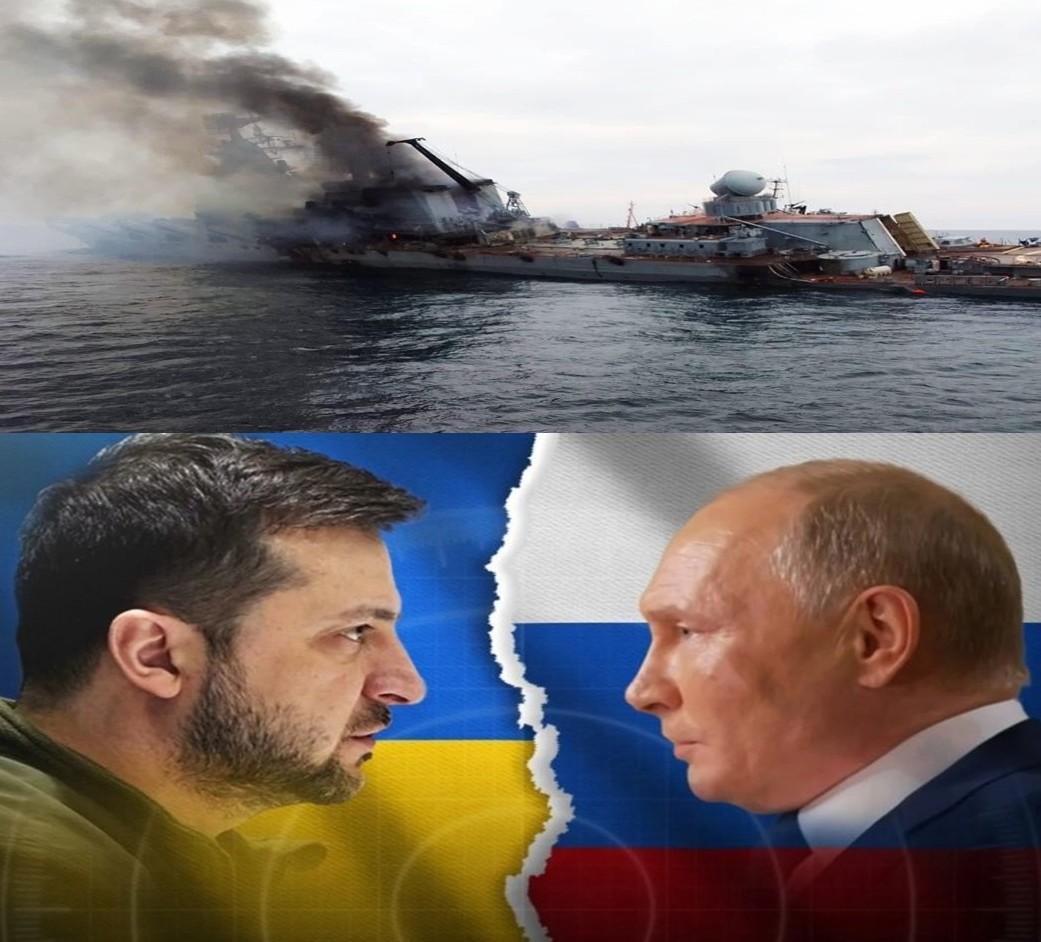
On 23 November 2026, Ukraine confirmed responsibility for a major maritime drone operation against Russian vessels near Benghazi, Libya, carried out on 22 November 2026. Ukrainian President Volodymyr Zelenskyy announced that seven Ukrainian-made naval drones had been deployed, resulting in the sinking of the Russian naval corvette Merkury, commissioned in 2023, and damage to the Russian cargo vessel MV Angara, which Kyiv alleged was transporting weapons. A Russian military helicopter, identified as a Ka-27, was also reportedly destroyed. The operation marked a significant geographical expansion of Ukraine's military campaign against Russian assets, extending the confrontation into North Africa and the Mediterranean region.
On the same date, 23 November 2026, the Kremlin expressed concern over the attacks, describing Ukraine's operations against Russian vessels in Libya and the Baltic Sea as a "very dangerous trend." Russian presidential spokesperson Dmitry Peskov warned of "painful consequences" for Kyiv and indicated that the Russian Defence Ministry was examining the incidents. Moscow also reiterated its intention to continue military operations against Ukrainian military infrastructure. Meanwhile, Libya's eastern-based administration submitted a formal complaint to the United Nations General Assembly and Security Council, requesting an international investigation into the attacks, including allegations that Ukrainian personnel and facilities in western Libya may have been involved.
On 24–25 November 2026, the incident generated further diplomatic and security concerns in the Mediterranean. Italian Foreign Minister Antonio Tajani expressed concern about Ukraine's military operations in Libya, arguing that they risked extending the Russia–Ukraine conflict into the Mediterranean and undermining Libya's sovereignty and stability. Italy also confirmed that it had not received advance notification of the operation. On 25 November, Libya's eastern-based Libyan National Army reported that two naval officers had died from injuries sustained during the attack and pledged to retaliate against those responsible at a time and place of its choosing. These developments raise concerns about the possibility of further military confrontations involving Libyan forces and foreign actors operating in the region.
The nuclear dimension became particularly prominent on 23 November 2026, when Russian Security Council Deputy Chairman Dmitry Medvedev reiterated that Russia had the right, and in certain circumstances an obligation, to use all available means, including nuclear weapons, to defend its national security. He accused Ukraine and NATO countries of creating conditions that could potentially justify nuclear escalation. However, Medvedev explicitly stated that Russia had not identified a direct necessity to use nuclear weapons in the ongoing war. Although these remarks were not explicitly presented as retaliation for the Benghazi operation, their timing is significant because they coincide with an expansion of Ukrainian military operations against Russian assets beyond the immediate European battlefield.
Meanwhile, on 25 November 2026, Ukraine reported another significant military operation against Russia, claiming that its forces had struck the Savasleyka airbase in Russia's Nizhny Novgorod region, damaging five military aircraft: three MiG-31 fighter jets and two Su-34 fighter-bombers. The MiG-31 aircraft are particularly significant because they are used to launch Kinzhal hypersonic missiles against Ukrainian targets. Ukraine has also continued attacks against Russian oil refineries and other strategic infrastructure. These developments, combined with the destruction of the Merkury and damage to the Angara, demonstrate the continuing expansion of Ukraine's long-range strike capabilities and increase pressure on Moscow to respond militarily.
On 25 November 2026, following a meeting in Florida, US President Donald Trump and NATO Secretary-General Mark Rutte issued a joint statement emphasising the importance of Russia avoiding actions that could intentionally or unintentionally expand the war and calling for a rapid, peaceful resolution. Their statement, published on 26 November, reflects growing international concern about the possibility of the conflict spreading beyond Ukraine. The principal nuclear escalation concern is that Russian retaliation against Ukrainian military assets in foreign territories could involve additional states, potentially including countries with NATO commitments, creating circumstances for direct confrontation between nuclear-armed powers. Nevertheless, the latest public statements do not establish that Russia has placed its nuclear forces on heightened alert or decided to use nuclear weapons. The immediate concern remains the risk of military retaliation, regional destabilisation and miscalculation escalating into a wider international security crisis.
THE MORNING BRIEFING// FREE NEWSLETTER
Stay Ahead with Washington & Global Intelligence
Essential analysis on diplomacy, politics, and markets delivered every morning at 7:00 AM EST.
EDITORIAL STANDARDS & CORRECTIONS
The USA New Times is committed to accuracy and accountability. To report a factual error or submit documentation to our investigative desk, email [email protected].