RWANDA — Rwanda’s First Lady, Her Excellency Jeannette Kagame, attended a theatrical performance titled Identity Card, created and performed by celebrated Rwandan artist Diogène Ntarindwa, widely known by his stage name, Atome. The production offered a compelling exploration of Rwanda’s historical experiences, cultural identity, exile and the enduring relationship between personal memory and national belonging.
The performance brought together artistic expression, historical reflection and contemporary social dialogue, demonstrating the capacity of theatre to connect generations while encouraging deeper conversations about identity, resilience and the human experience.
Through a distinctive combination of humour, emotional storytelling and thoughtful observation, Ntarindwa invited audiences to examine the complexities of belonging and the influence of history on individual and collective identity.
First Lady Kagame Supports Cultural Expression and Historical Reflection
The First Lady’s attendance highlighted the importance of artistic expression in preserving historical memory and encouraging meaningful dialogue within Rwandan society.
According to information shared through the First Lady of Rwanda’s official communication platform, the theatrical production encouraged audiences to revisit Rwanda’s past while reflecting on the experiences of exile and the meaning of identity.
The presentation also created opportunities for intergenerational engagement, connecting historical experiences with contemporary perspectives.
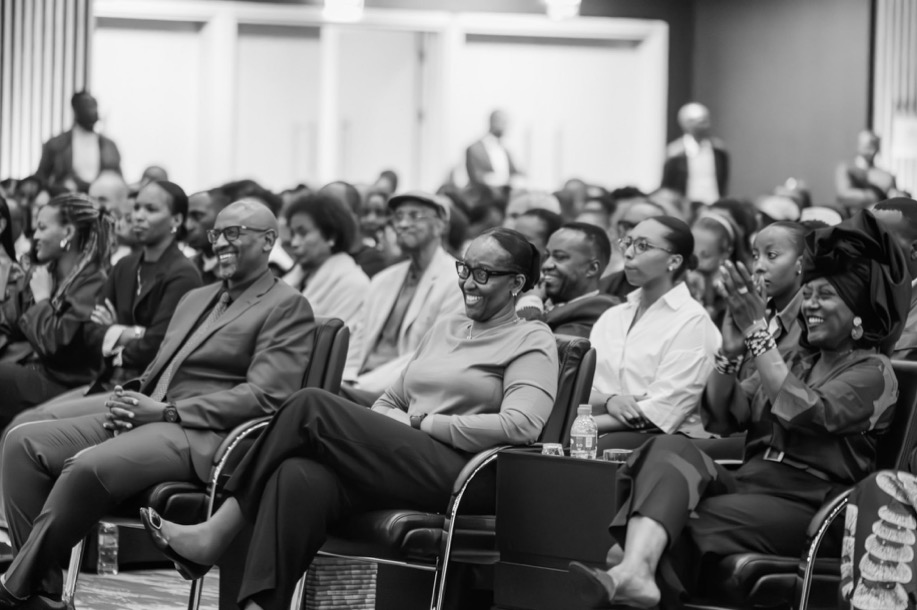
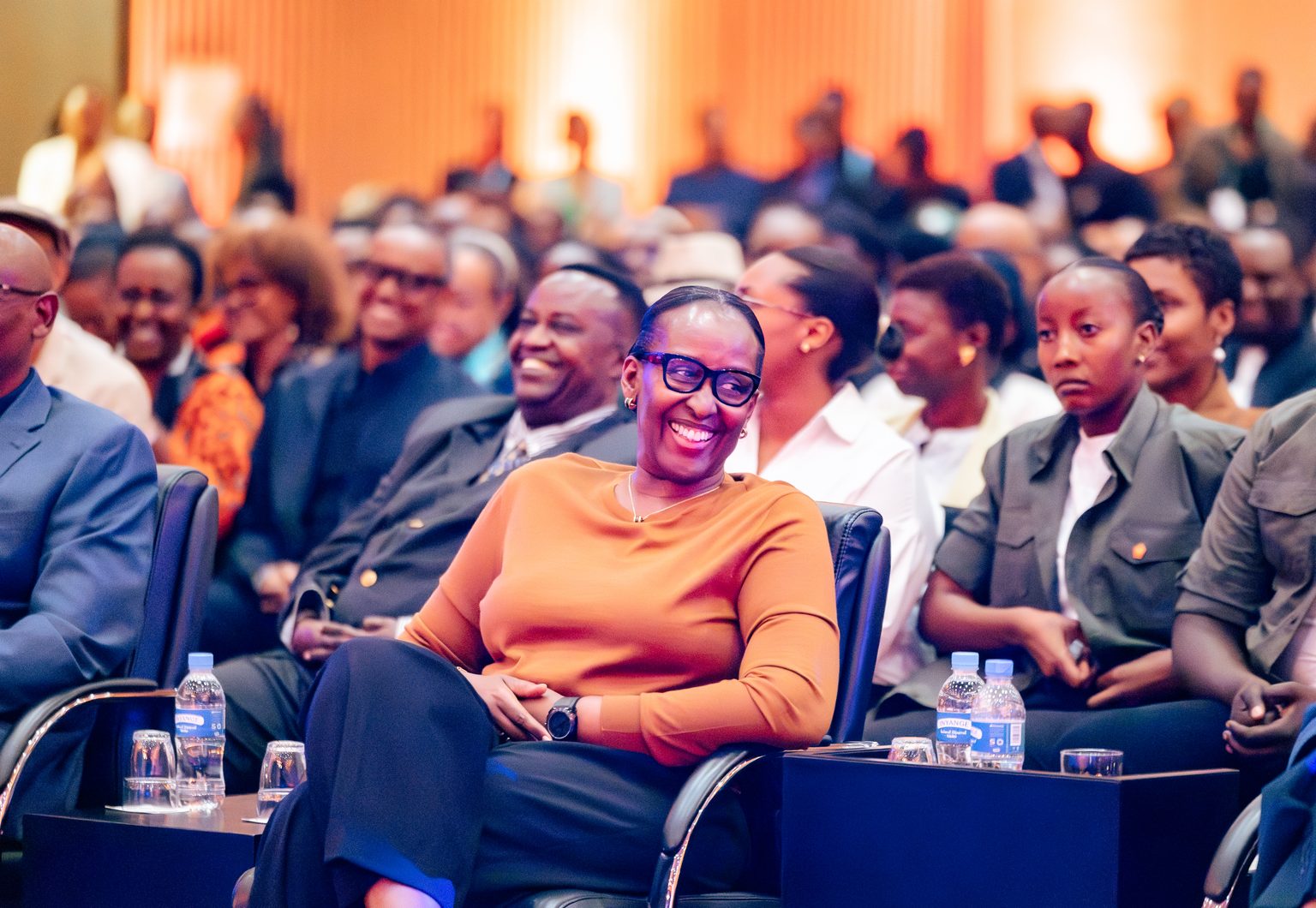
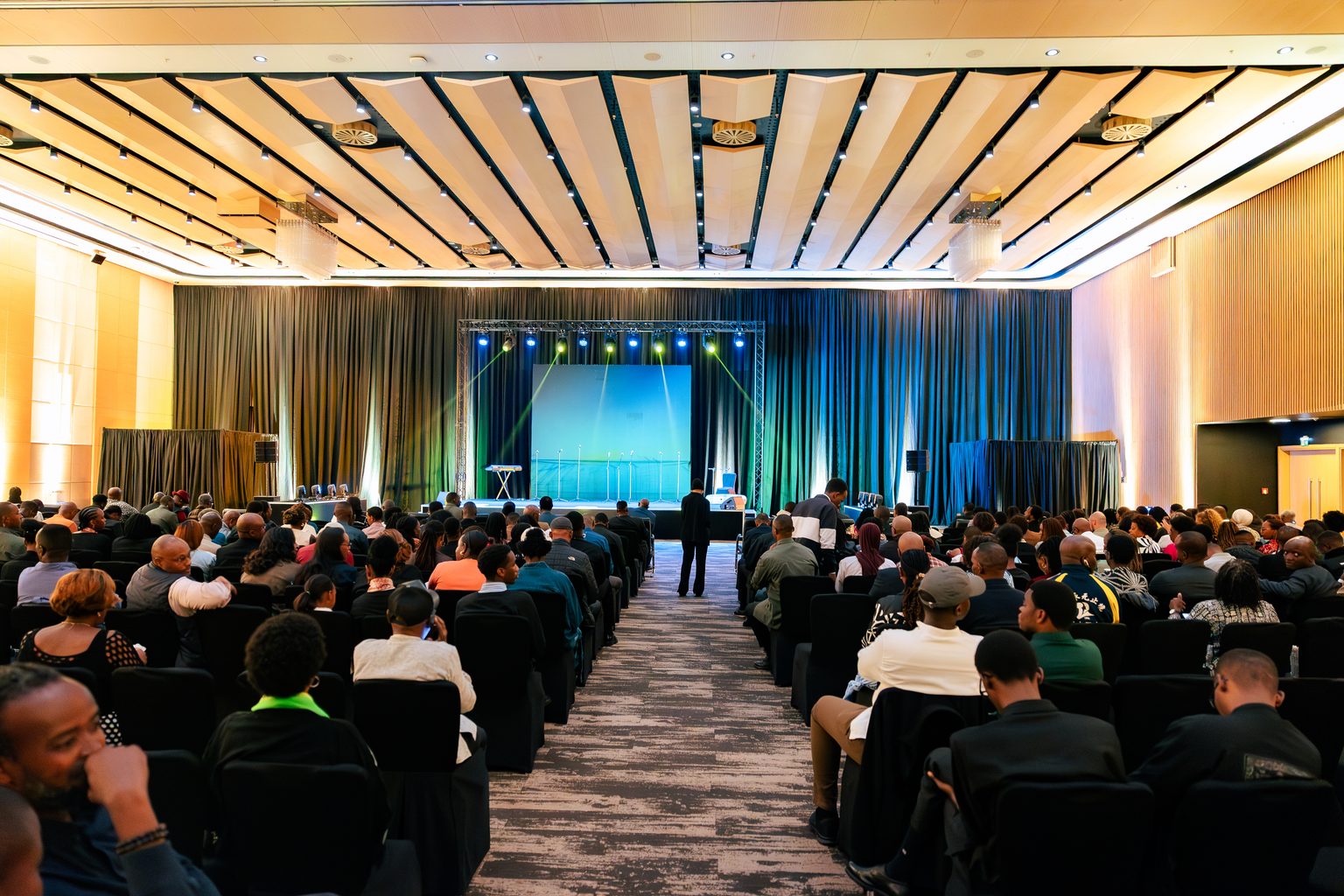
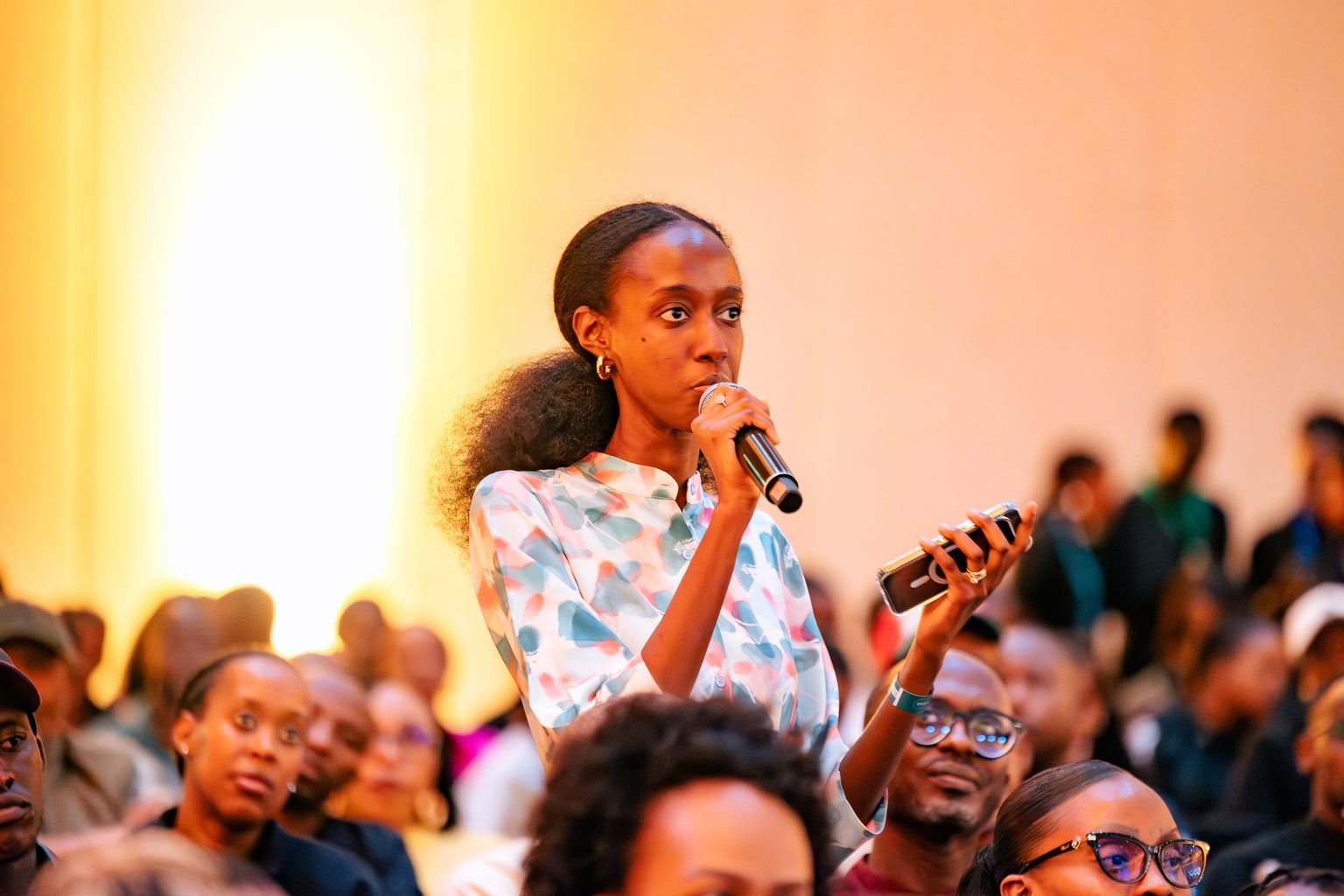
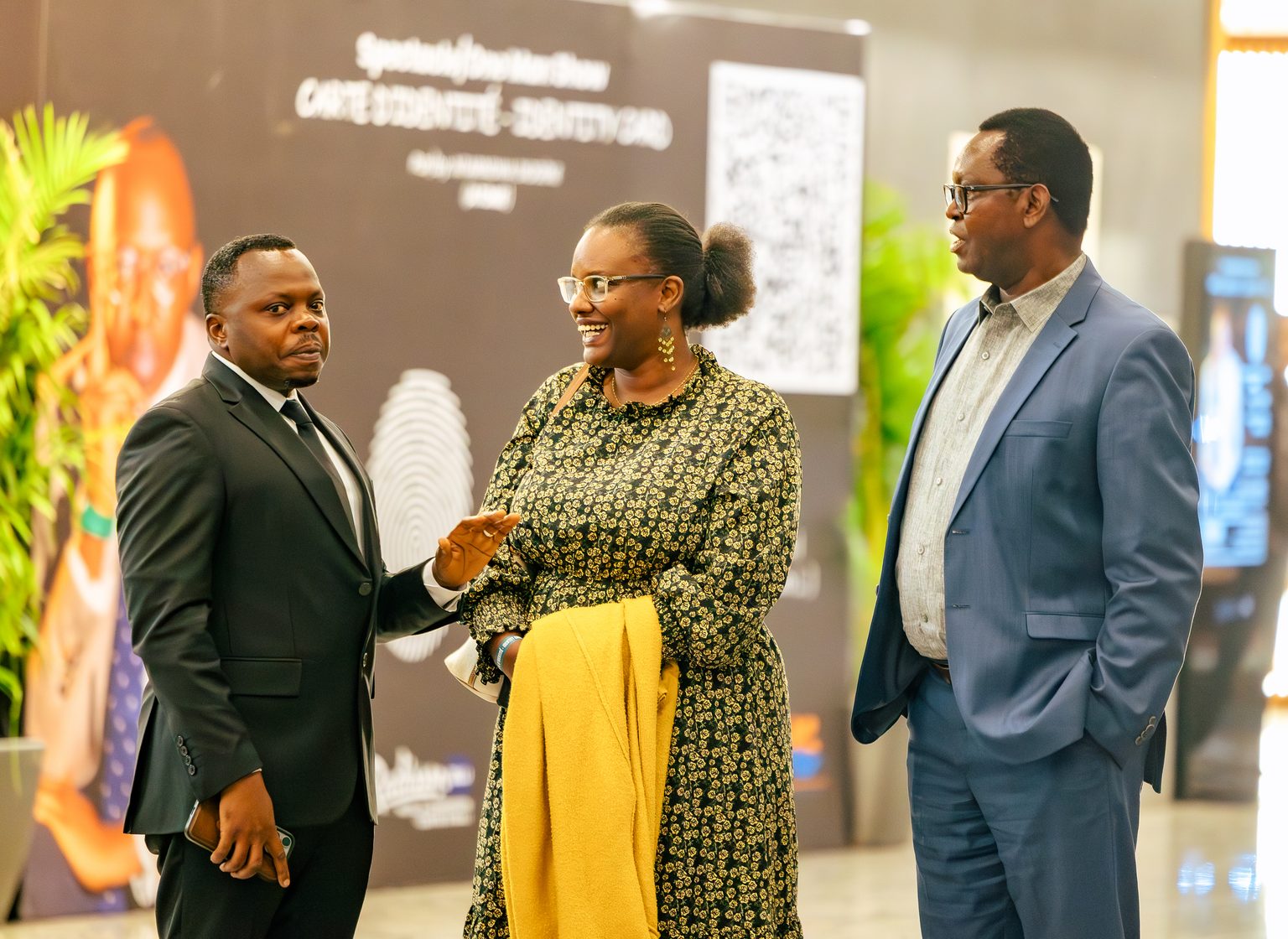
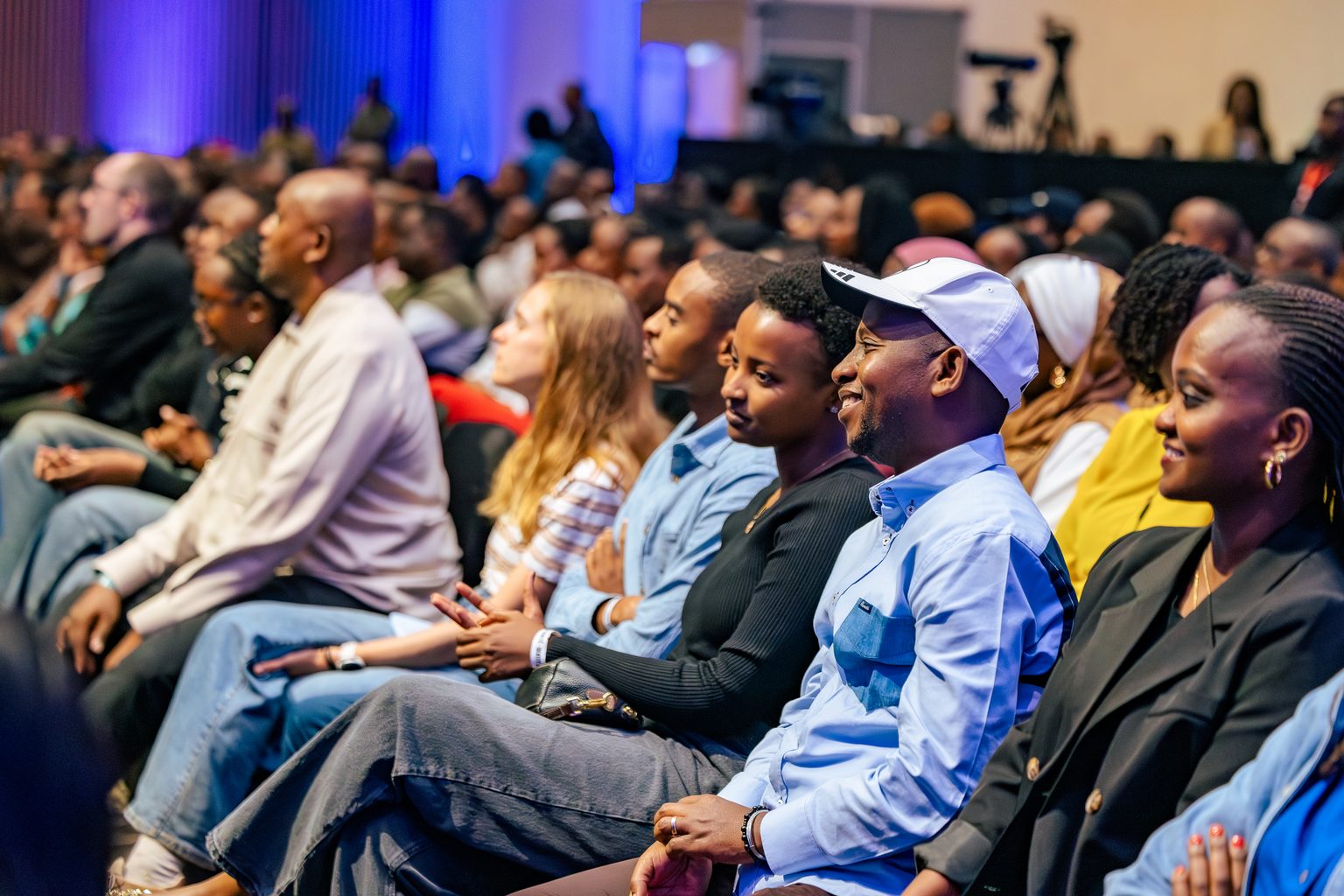
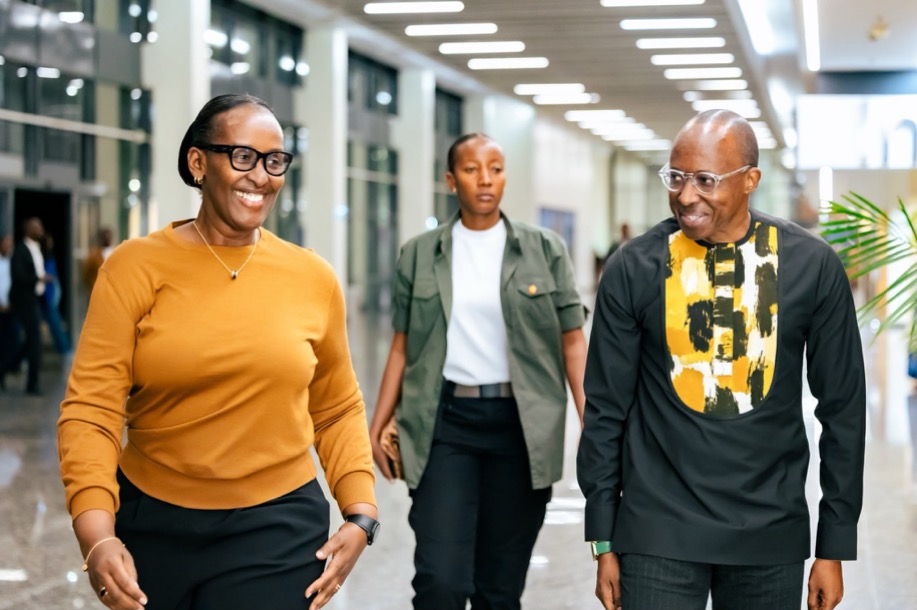
Photographs released following the event showed Mrs Kagame interacting with attendees and enjoying the occasion. Other images captured audience members responding enthusiastically to the performance, reflecting the production’s ability to engage viewers through both humour and emotional storytelling.
The event illustrated how Rwanda’s cultural and creative sectors can provide platforms for examining historical experiences while strengthening public appreciation of the country’s artistic heritage.
First Lady Jeannette Kagame Graces a Remarkable Cultural Performance Celebrating Rwanda’s History, Heritage and National Identity
Identity Card: Theatre as a Bridge Between Generations
At the centre of the production was an exploration of identity, a subject closely connected to questions of history, displacement, citizenship and belonging.
Through Identity Card, Ntarindwa used theatrical storytelling to examine how individuals understand themselves in relation to their communities, their past and the societies in which they live.
The production addressed the experience of exile, an important dimension of Rwanda’s historical narrative, while encouraging audiences to consider how personal experiences contribute to broader understandings of national identity.
Rather than presenting history solely through conventional narration, the artist incorporated humour and emotional reflection to make complex subjects accessible to audiences across different generations.
This approach demonstrated the value of performing arts as a medium through which historical knowledge can be communicated, questioned and better understood.
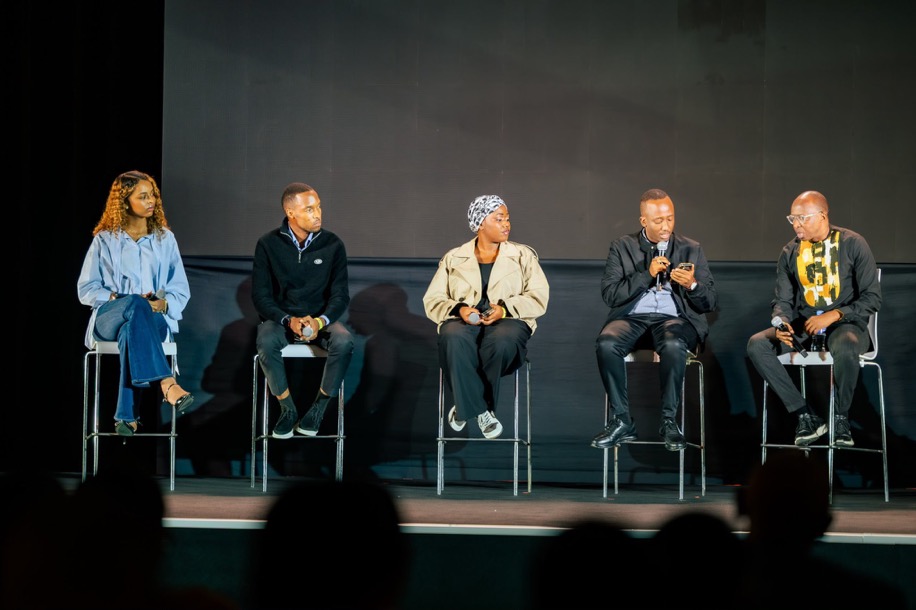
For younger generations, such productions offer opportunities to engage with experiences that preceded their own lives. For older audiences, they can provide space for reflection and the sharing of collective memories.
The resulting dialogue contributes to a broader understanding of the relationship between historical experiences and contemporary Rwandan society.
Diogène Ntarindwa and the Power of Storytelling
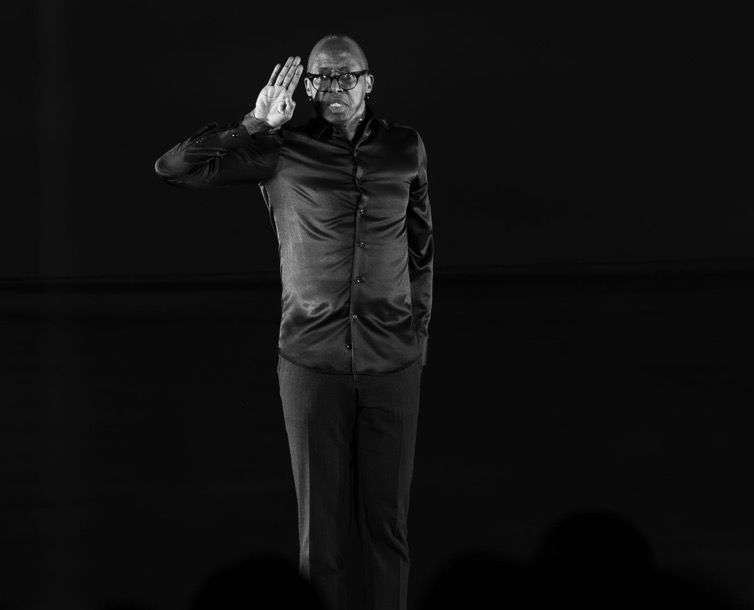
Diogène Ntarindwa, popularly known as Atome, has established a distinctive artistic identity through theatrical performances that combine social observation, humour and historical reflection.
His work demonstrates how performing arts can address serious societal questions without sacrificing creativity or accessibility.
In Identity Card, the artist placed personal and collective identity at the centre of the narrative, encouraging audiences to consider how history influences perceptions of belonging.
The production also reflected the importance of storytelling in societies where historical experiences continue to shape cultural expression and intergenerational understanding.
Theatre provides a particularly effective platform for such conversations because it allows audiences to encounter complex subjects through characters, emotions and shared experiences.
By combining entertainment with reflection, Ntarindwa presented a theatrical experience that extended beyond conventional performance to encourage broader social and cultural discussion.
Diogène Ntarindwa, widely recognised as Atome, uses theatre to explore Rwanda’s history, cultural identity and social experiences.
Rwanda’s Creative Arts and the Preservation of National Memory
Rwanda’s cultural identity is closely connected to its history, traditions and continuing efforts to preserve collective memory while building a shared national future.
The performing arts contribute to this process by creating opportunities for historical reflection, cultural education and public engagement.
Productions such as Identity Card demonstrate how artists can explore questions of displacement, belonging and identity while encouraging audiences to appreciate the diversity of experiences that contribute to Rwanda’s national story.
The use of humour alongside serious historical themes also illustrates the ability of creative expression to encourage conversations that might otherwise be difficult to initiate.
Beyond entertainment, theatre can serve as a means of cultural preservation, helping communities communicate their experiences and values to future generations.
The First Lady’s presence at the performance brought additional public attention to the contribution of Rwandan artists and the importance of cultural activities that encourage reflection, dialogue and understanding.
A Celebration of Art, Memory and Shared Identity
The evening provided an opportunity to appreciate the relationship between artistic creativity and historical consciousness.
Through his performance, Ntarindwa encouraged audiences to reflect on the experiences that shape identity, including exile, memory, belonging and the connections between generations.
The enthusiastic audience response, captured in photographs from the event, illustrated the production’s ability to combine entertainment with meaningful cultural engagement.
For Rwanda, where historical memory remains an important component of national life, artistic productions addressing identity and belonging can contribute to a deeper appreciation of the country’s past and its evolving cultural landscape.
First Lady Jeannette Kagame’s attendance underscored the public significance of an evening dedicated to creativity, reflection and the enduring power of storytelling.
Ultimately, Identity Card demonstrated that theatre can do more than entertain. It can encourage dialogue across generations, preserve important experiences and invite audiences to consider the historical and cultural foundations of their shared identity.
THE MORNING BRIEFING// FREE NEWSLETTER
Stay Ahead with Washington & Global Intelligence
Essential analysis on diplomacy, politics, and markets delivered every morning at 7:00 AM EST.
EDITORIAL STANDARDS & CORRECTIONS
The USA New Times is committed to accuracy and accountability. To report a factual error or submit documentation to our investigative desk, email [email protected].
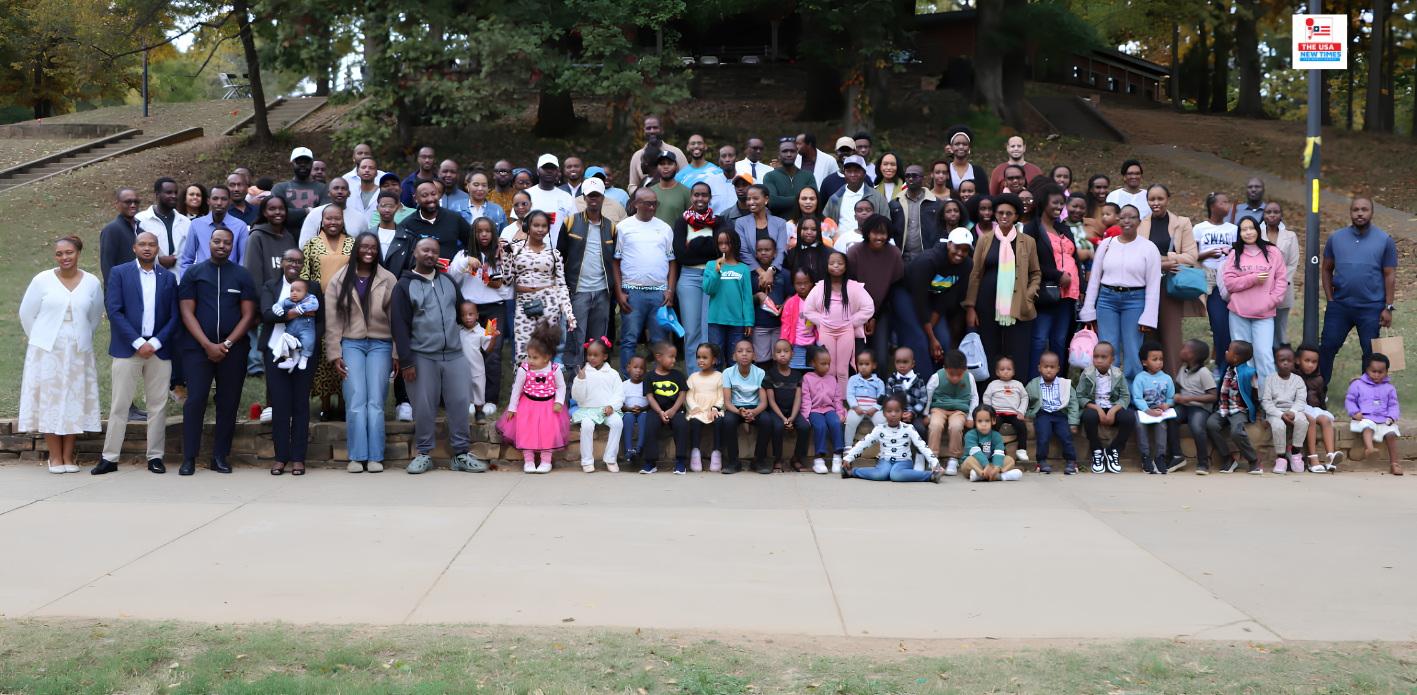
Under the banner “Together, Connected, Stronger,” families from across North and South Carolina gathered in Charlotte to share a meal, celebrate Rwandan culture and take a milestone step toward the community’s shared future.
KIGALI — Rwandan music icon Cécile Kayirebwa celebrated her 80th birthday and six decades in music at a private gathering at Hôtel des Mille Collines on 25 October, bringing together relatives, friends, fellow artists and public figures. The invitation-only occasion recognised a career that has carried Rwanda’s traditional music beyond its borders while sust
KIGALI – Rwandan singer Suzanne Nyiranyamibwa, whose work spanned traditional music, patriotic expression and remembrance of the 1994 Genocide against the Tutsi, died on Friday morning, according to the announcement. Her family announced her death and said farewell and burial arrangements would be communicated later. The family expressed sorrow at her unexpe