ENTEBBE, UGANDA |
Ugandan President Yoweri Kaguta Museveni has called for stronger cooperation between traditional cultural institutions and government authorities, emphasising the importance of African identity, national unity and economic transformation in advancing sustainable development.
Speaking during a two-day Cultural Leaders Conference at State House Entebbe, Museveni encouraged traditional leaders from across Uganda to safeguard indigenous knowledge, preserve cultural heritage and contribute to the country’s socioeconomic progress.
The discussions also provided an opportunity to examine the relationship between traditional institutions and modern governance, with particular attention to agriculture, research, cultural preservation and regional economic integration.
Cultural Institutions as Partners in National Development
President Museveni highlighted the historical importance of indigenous African societies, observing that traditional communities developed sophisticated systems of agriculture, livestock management, craftsmanship, medicine and specialised economic activities long before colonial administration.
He maintained that these foundations remain valuable resources for contemporary African development, particularly when supported by scientific research, technological innovation and institutional cooperation.
However, Museveni also identified ethnic divisions and insufficient integration among communities as historical obstacles to collective progress.
He presented patriotism and Pan-Africanism as essential principles for overcoming such divisions and strengthening cooperation among African populations.
The President emphasised that traditional leaders have a responsibility to preserve cultural identities while encouraging peaceful coexistence and national solidarity.
His remarks reflected the Ugandan government’s longstanding position that cultural institutions can contribute meaningfully to national development without assuming the political and administrative responsibilities assigned to elected authorities.
Preserving Heritage While Rejecting Harmful Practices
A central theme of the conference was the need to distinguish between cultural traditions that strengthen society and practices that undermine individual dignity and fundamental rights.
Museveni encouraged traditional institutions to protect indigenous languages, historical knowledge and valuable customs while reconsidering practices incompatible with contemporary principles of human rights and personal freedom.
He specifically addressed the traditional practice of wife inheritance, stressing that such arrangements must depend on the free consent of those involved rather than coercion.
The President’s position underscored the importance of ensuring that cultural preservation remains compatible with individual autonomy and social progress.
He also encouraged cultural leaders to challenge attitudes inherited from colonial systems that diminish the value of African traditions and indigenous knowledge.
According to Museveni, strengthening confidence in Africa’s cultural heritage can contribute to greater intellectual independence, social cohesion and economic self-reliance.
Government Pledges Research and Institutional Support
Following discussions with traditional leaders, Museveni expressed appreciation for their contributions and indicated that the government would support proposals intended to strengthen cultural institutions.
Among the priorities identified was closer collaboration between traditional organisations and established government research institutions.
The President specifically referred to research centres at Kawanda, Namulonge and Serere as institutions capable of providing scientific and technical assistance to cultural organisations.
Such partnerships could support agricultural productivity, livestock development, traditional knowledge preservation and community-based economic initiatives.
Rather than establishing parallel research structures, Museveni encouraged greater coordination with existing institutions to minimise unnecessary duplication and improve the efficient use of public resources.
The approach reflects a broader development philosophy that seeks to connect traditional knowledge with modern scientific expertise.
For Uganda, where agriculture remains a significant source of employment and household income, cooperation between cultural institutions and agricultural research organisations could provide practical opportunities to strengthen rural development.
Uganda and Tanzania Advance Economic Cooperation
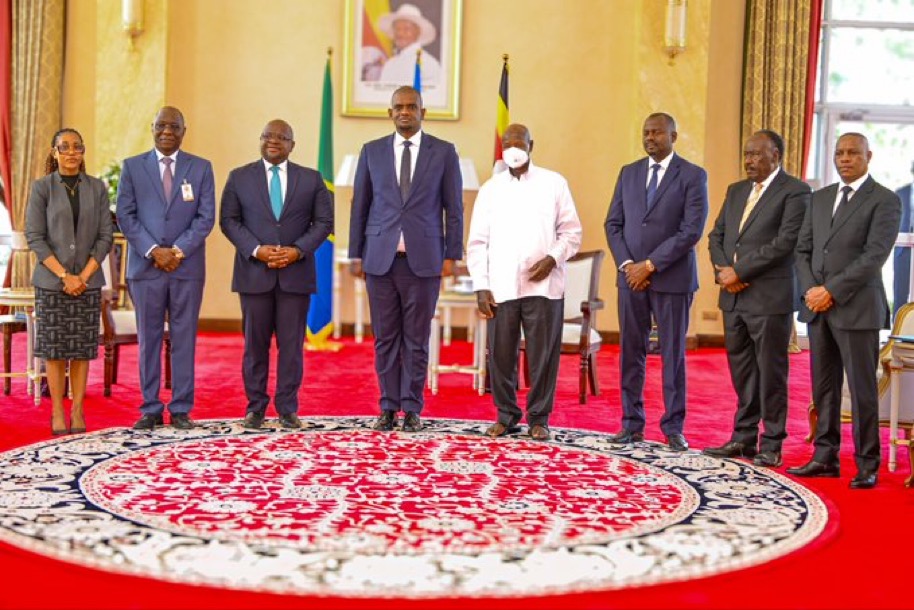
Alongside the cultural conference, President Museveni held discussions with Tanzania’s Vice President, Deogratius John Ndejembi, who visited State House Entebbe and conveyed a special message from Tanzanian President Samia Suluhu Hassan.
The meeting focused on bilateral economic integration, infrastructure development and opportunities to expand commercial cooperation between the neighbouring East African countries.
A prominent subject was the development of petroleum transport infrastructure, particularly the oil pipeline connecting Uganda’s petroleum resources to international markets through Tanzania.
The East African Crude Oil Pipeline is a major regional infrastructure initiative intended to transport crude oil from western Uganda to Tanzania’s Indian Ocean coast.
Beyond the petroleum sector, the discussions highlighted the importance of transport connectivity, cross-border investment and stronger regional markets.
Museveni reiterated his conviction that African prosperity requires countries to work collectively rather than pursue economic development through isolated national strategies.
His emphasis on economic integration is consistent with the broader objectives of the East African Community, which seeks to facilitate trade, investment, infrastructure development and closer cooperation among its partner states.
Pan-Africanism and the Future of Regional Prosperity
Museveni’s discussions with Uganda’s traditional leaders and Tanzania’s Vice President reflected two interconnected priorities: strengthening national cohesion and accelerating regional economic integration.
While cultural institutions can help preserve historical identity and promote social stability, regional cooperation offers opportunities to expand markets, improve infrastructure and strengthen Africa’s participation in international trade.
The President presented these priorities as complementary elements of sustainable development.
His message to cultural leaders placed particular emphasis on the importance of preserving Africa’s historical achievements without allowing ethnic divisions or outdated practices to obstruct contemporary progress.
At the regional level, his engagement with Tanzania reinforced the significance of cooperation between neighbouring countries in addressing shared economic challenges.
The conference concluded with Museveni thanking participating cultural leaders for their contributions and expressing the government’s willingness to support constructive initiatives emerging from the discussions.