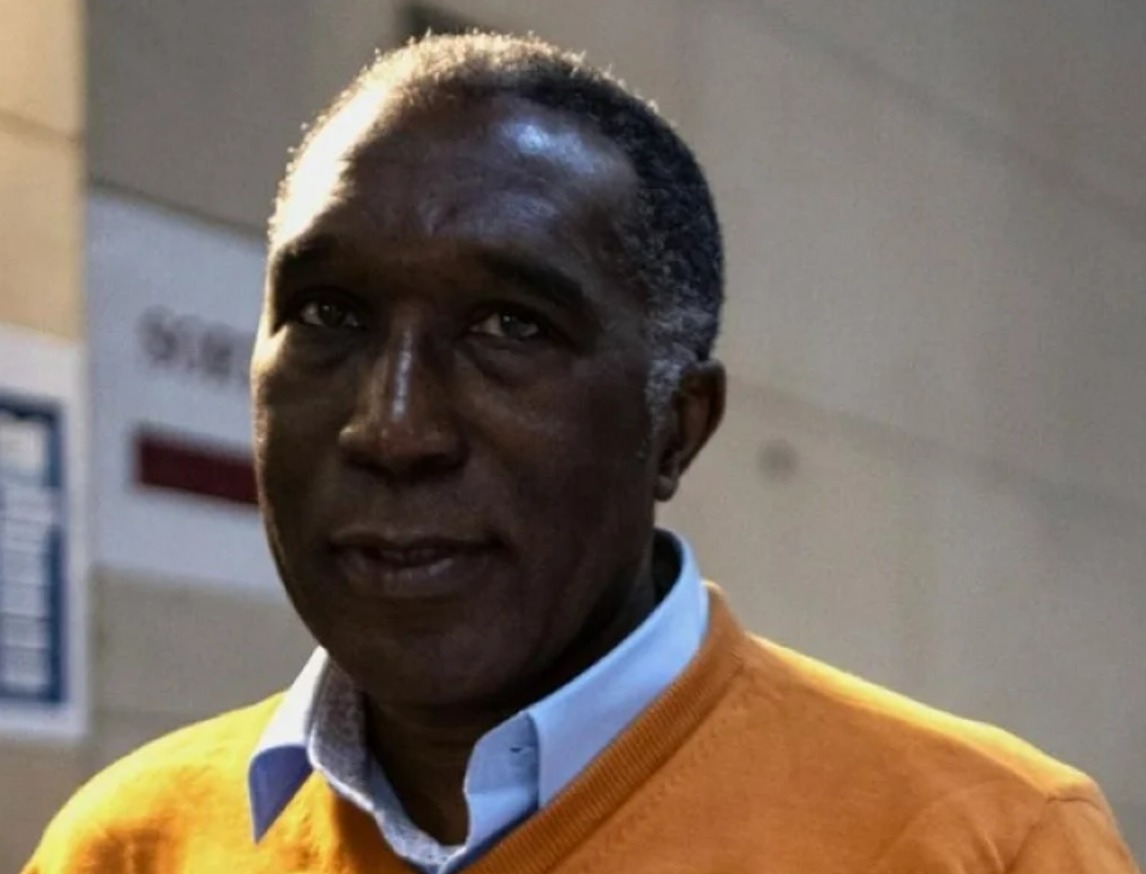

The recent interview granted by Jean Luc Habyarimana to Onesha Afrika on January 13, 2026, revisits his father’s legacy and comments on regional dynamics, including the Democratic Republic of the Congo (DRC). In the interview, Jean Luc expresses support for the Congolese government while omitting the documented role of the Forces Démocratiques pour la Libération du Rwanda (FDLR) in destabilizing eastern DRC. This selective narrative obscures the ongoing consequences of the 1994 Genocide against the Tutsi.
The FDLR: A Recognized Genocidal Organization
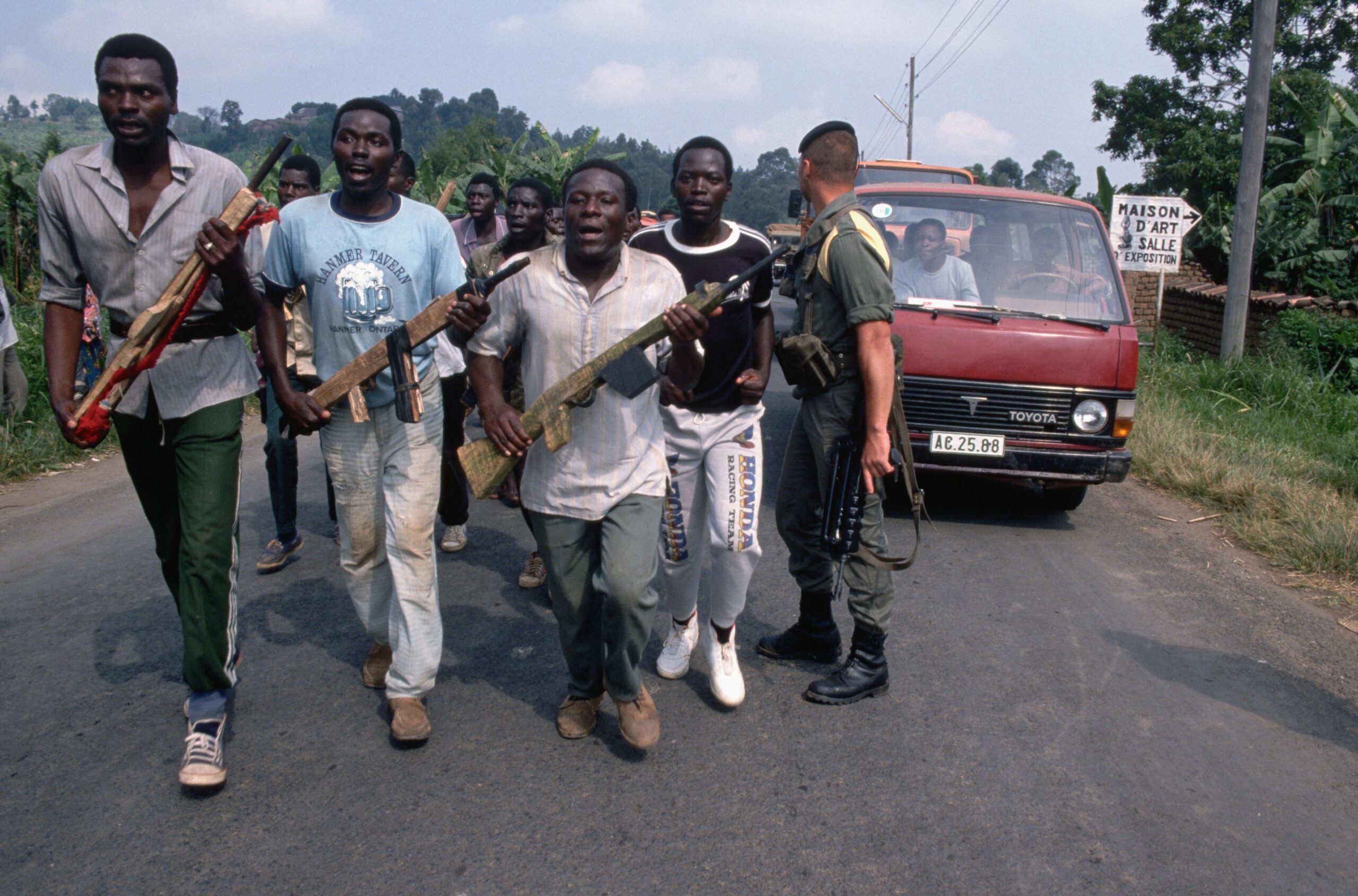
The FDLR, established in September 2000, is a direct continuation of the forces that committed the genocide against the Tutsi in Rwanda. Its membership includes original Interahamwe commanders and other perpetrators of the 1994 massacres. Sylvestre Mudacumura, who served as the FDLR’s military commander until his death in 2019, was formerly deputy commander of the Rwandan Presidential Guard in 1994.
Documented Crimes in Eastern DRC
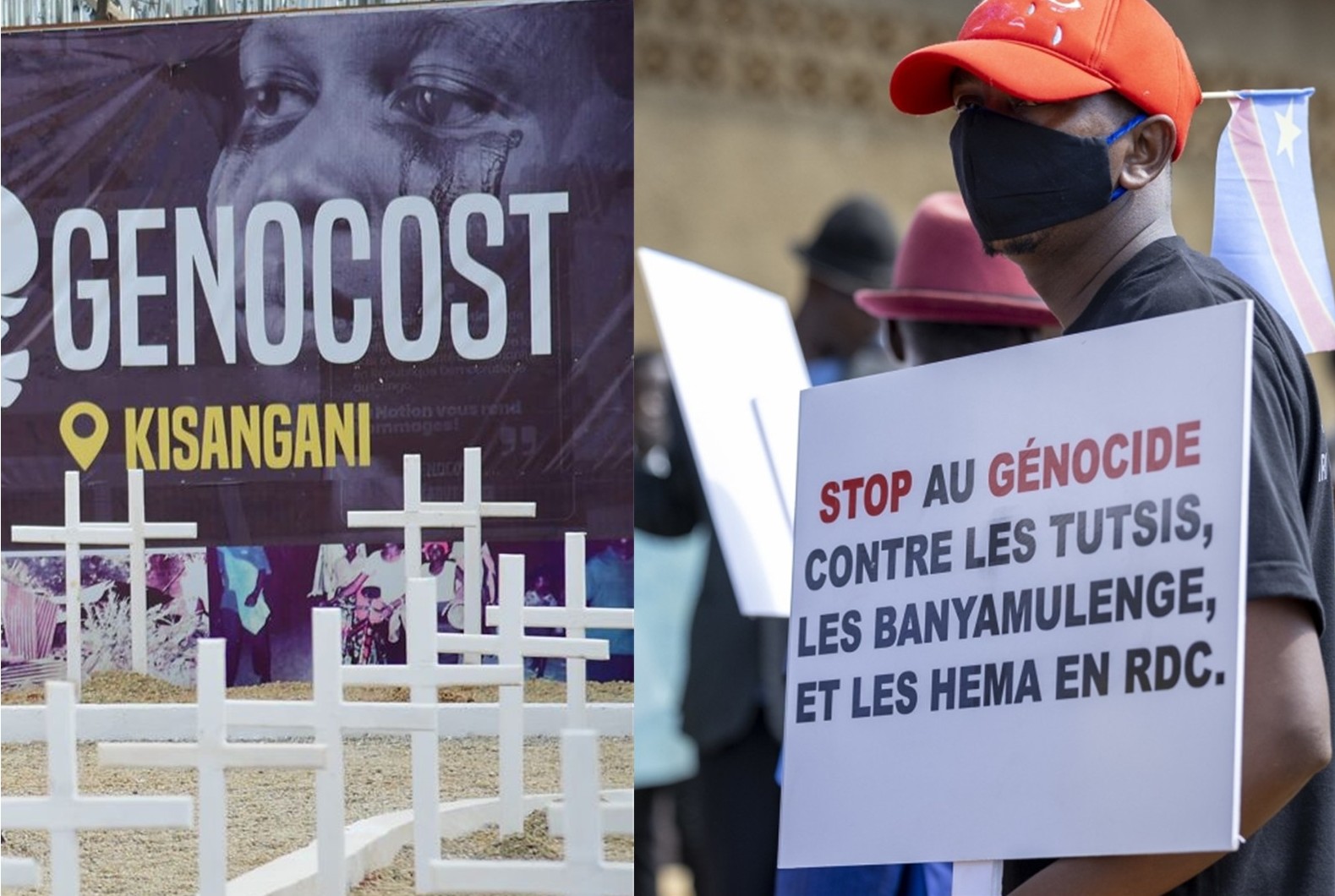
The United Nations and human rights organizations have documented multiple crimes by the FDLR. A 2010 Amnesty International report attributes the killing of 96 civilians in Busurungi, Walikale territory, to the group, with some victims burned alive in their homes. Human Rights Watch (2012) reported attacks in Masisi territory, resulting in six civilian deaths, two women raped, and 48 people abducted. To date, FDLR continues to be involved in massacres of civilians, alongside the Wazalendo and FARDC forces.
Use of Child Soldiers
The FDLR has also recruited children forcibly. Human Rights Watch documented at least 83 Congolese children under 18, some as young as 14, conscripted into combat roles. This constitutes a violation of international law and underscores the group’s ongoing human rights abuses.
Mass Sexual Violence
The UN Group of Experts report (November 2012) recorded 106 incidents of sexual violence perpetrated by the FDLR between December 2011 and September 2012. These attacks reflect systematic patterns of abuse against civilians, particularly women, and highlight the group’s role in perpetuating instability.
International Condemnation
The UN Security Council, on October 4, 2005, demanded that the FDLR disarm and leave the DRC immediately. The group has been sanctioned for grave human rights violations, and its continued presence is recognized internationally as a threat to regional security.
The 2025 Washington Peace Agreement
The Washington Peace Agreement, signed on June 27, 2025, between Rwanda and the DRC, commits both states to ensuring “an irreversible and verifiable end to state support for the FDLR and associated militias.” The accord explicitly acknowledges the FDLR as a destabilizing force in the region, contradicting any narrative that downplays its role or influence.
Conclusion: Accountability and Historical Accuracy
Jean Luc Habyarimana’s omission of the FDLR’s actions represents a selective revision of history that ignores the ongoing consequences of the genocide. Accurate historical record-keeping is critical for understanding regional security threats, supporting accountability, and preventing denialist narratives from obscuring the legacy of the 1994 Genocide against the Tutsi.