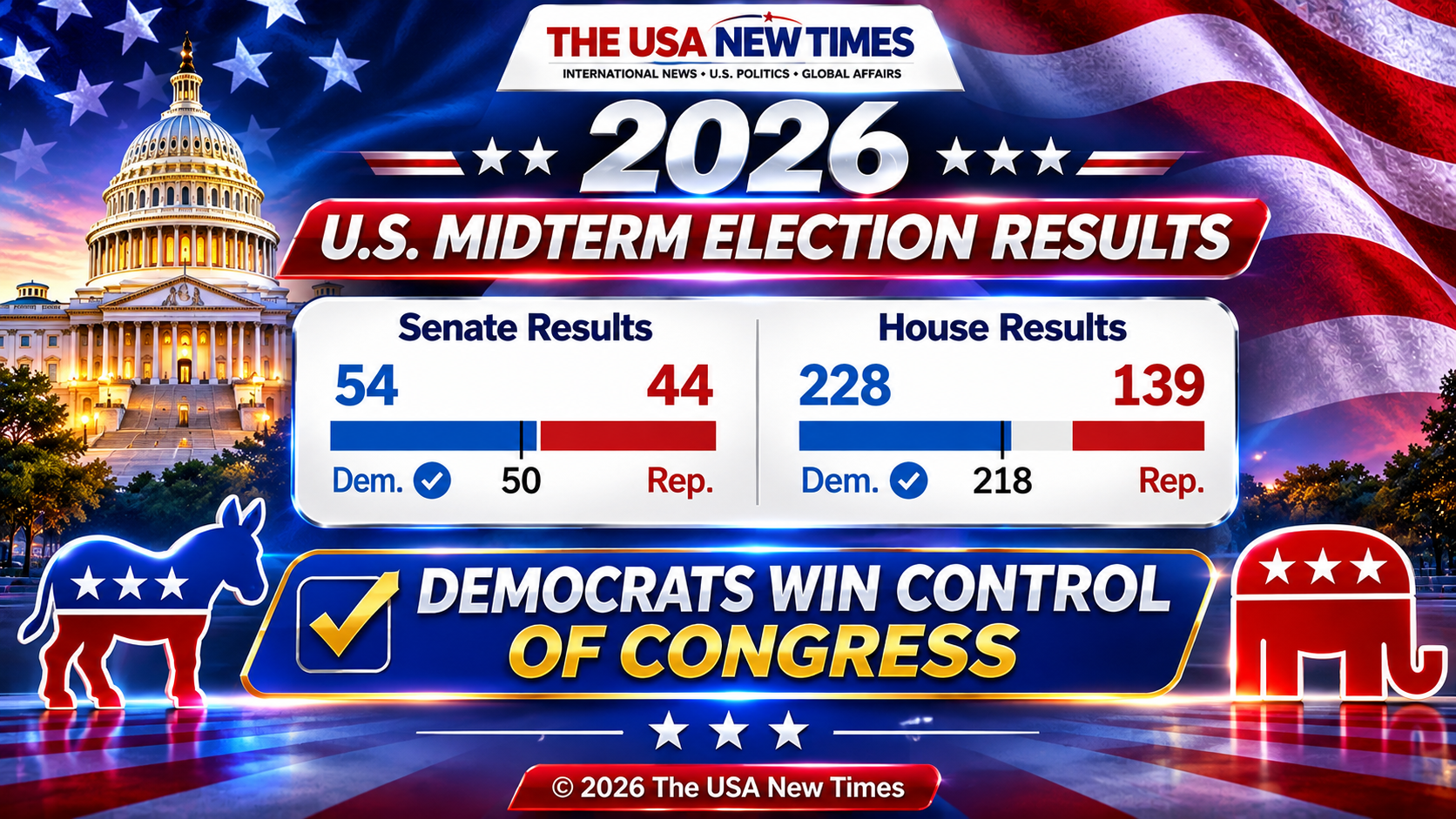
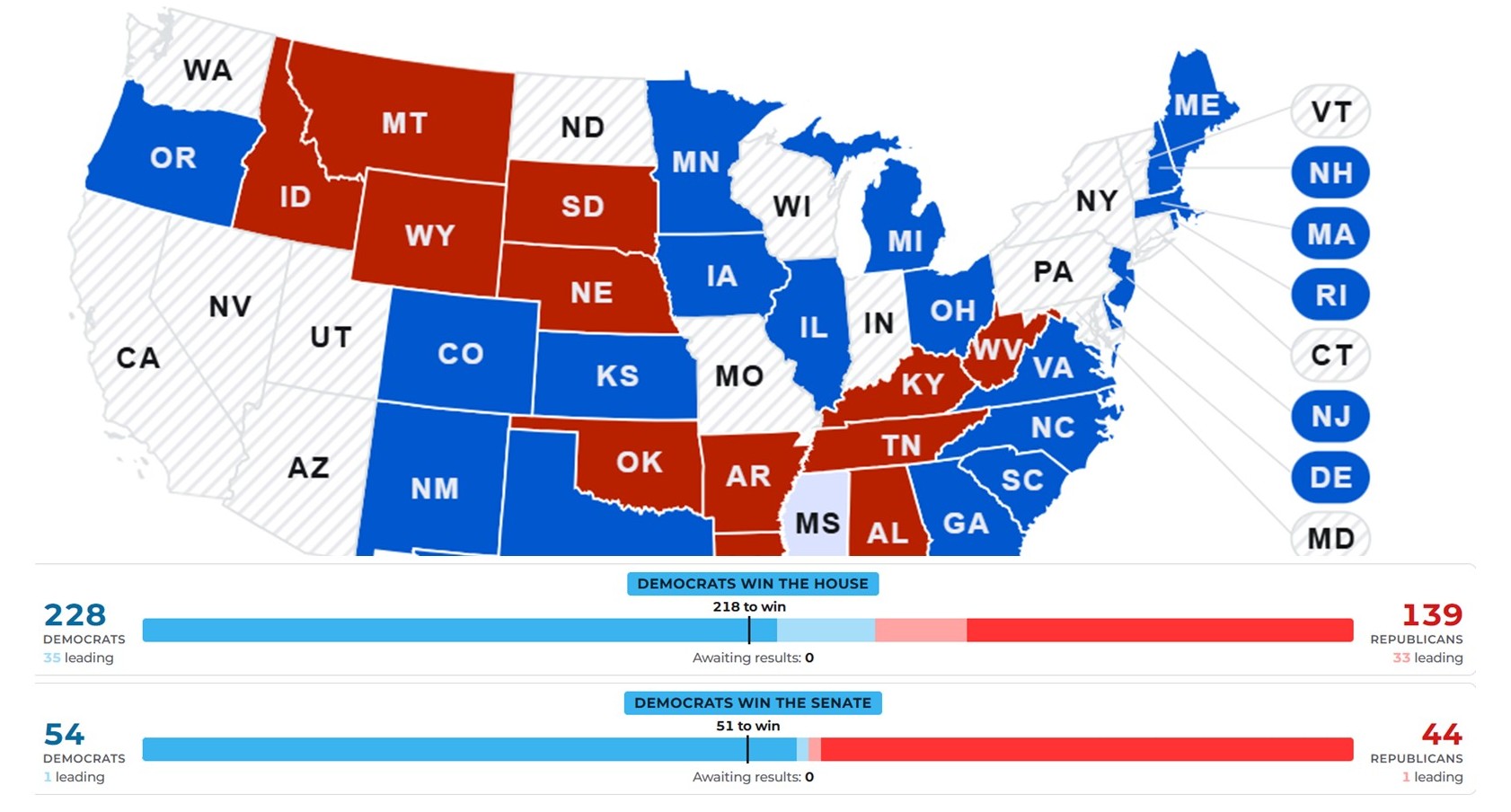
In a major political shift, the 2026 midterm elections produced unexpected outcomes across several long-standing partisan strongholds, while elevating a diverse group of political figures to high-level office. Electoral returns disrupted established voting patterns, resulting in key Senate turnovers and notable milestones in statewide representation.
Historical Turnovers in Long-Held Strongholds
Regions long considered reliable bases for the Republican Party experienced notable shifts in voter alignment. In Texas, Democrat James Talarico defeated Republican Attorney General Ken Paxton in the U.S. Senate race.
A similar shift occurred in the Great Plains, where Democrat Adam Hamilton defeated incumbent Republican Senator Roger Marshall in Kansas.
Further structural changes emerged across the South and New England:
South Carolina: Democrat Dr. Annie Andrews prevailed over Republican Darline Graham, securing a South Carolina Senate seat for the Democratic Party for the first time in nearly thirty years.
Maine: Democrat Troy Jackson unseated incumbent Republican Senator Susan Collins, ending her multi-term tenure in a race shaped by changing federal political dynamics.
Shifting Demographic Milestones and Representation
Alongside the partisan changes in Congress, the election cycle established several demographic milestones across state and federal governments:
Michigan: Democrat Abdul El-Sayed won a closely watched Senate contest, becoming the first Muslim elected to the U.S. Senate.
Florida: Congressman Byron Donalds (R) won the gubernatorial election in Tallahassee, becoming the first Black governor in Florida’s history.
New Hampshire: Representative Chris Pappas (D) defeated Republican challenger John Sununu, securing a Senate seat for Democrats in the state.
These historical developments reflect evolving voter participation and changing coalition dynamics across suburban and rural districts. As the newly elected members prepare to take office, the 2026 midterms mark a significant realignment in the geographic and demographic profile of American electoral politics.