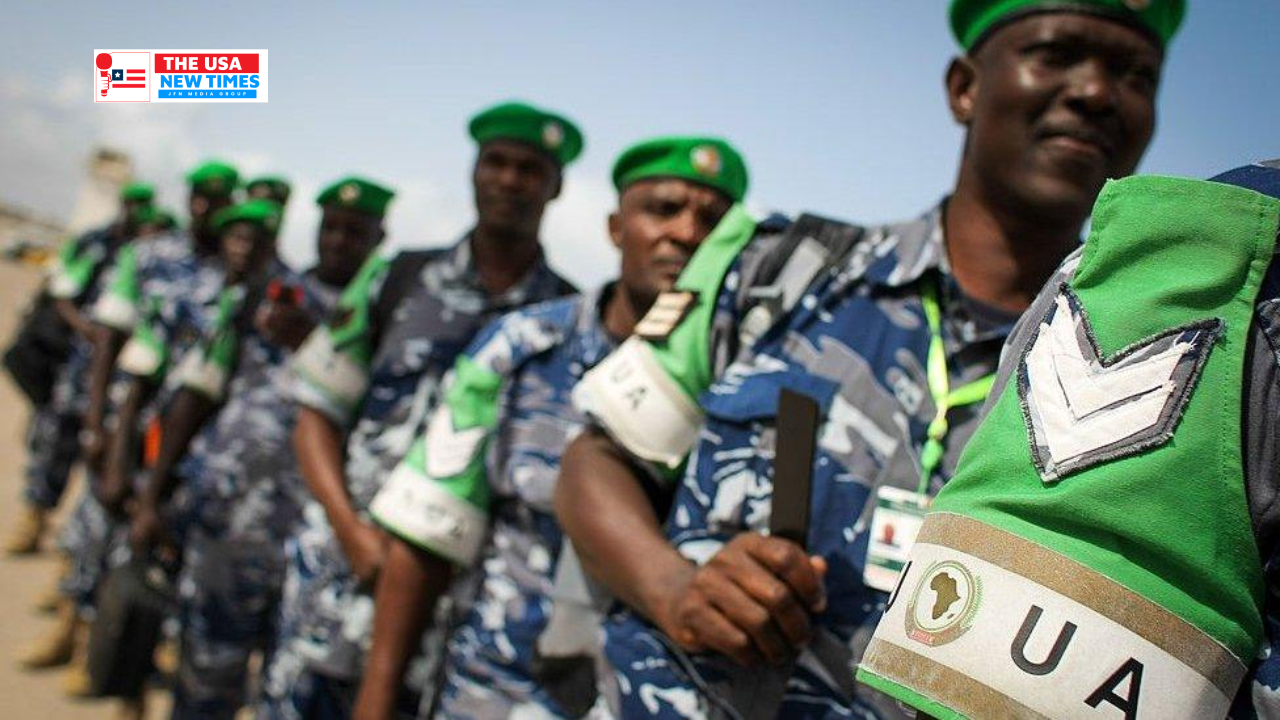
MOGADISHU, SOMALIA — Uganda has officially begun withdrawing its military forces from Somalia, initiating the scale-back of a nearly 20-year commitment that started in 2007. The drawdown, which commenced on November 2, 2026, begins with troops deployed under a bilateral defense agreement, with a complete pullout of all Ugandan forces—including those serving under the African Union Support and Stabilization Mission (AUSSOM/ATMIS) targeted for the end of 2027. However, this major shift comes at a highly volatile juncture. Driven by intersecting geopolitical, financial, and internal political pressures, Kampala's exit threatens to leave a dangerous vacuum precisely when the threat of Al-Shabaab remains severe.
The primary catalyst for this withdrawal is the deepening political rift within Somalia itself. The exit was signaled immediately following late-October talks between Ugandan President Yoweri Museveni and Somali President Hassan Sheikh Mohamud. Kampala has expressed growing frustration over Somalia’s fractured political leadership. Deepening divisions between Mogadishu's federal government and regional administrations are actively undermining the creation of a united national security front, handing Al-Shabaab immediate opportunities to exploit these domestic vulnerabilities.
Simultaneously, the African Union-mandated security architecture is facing a severe financial crisis. The United States has announced it will halt support for United Nations logistical operations for the AU mission beyond the end of 2026, creating immense funding uncertainty. This financial squeeze coincides with a broader international retreat: the UN officially closed its political mission in Somalia on October 31, 2026, the direct American military presence is shrinking highlighted by U.S. forces vacating the strategic Baogle airfield—and Ethiopia is weighing a major troop reduction.
The immediate implications on the ground are alarming. The African Union mission has already warned the UN that the sudden vacancy of forward operating bases will leave strategic sectors highly exposed. In the strategic coastal town of Barawe in Lower Shabelle, local populations are already expressing fears that the handover of Ugandan installations will trigger a massive Al-Shabaab resurgence.
While Somalia's force-generation program has built an army of roughly 10,000 to 12,000 personnel, security analysts warn that forcing this overstretched Somali National Army (SNA) to rapidly assume defensive holding responsibilities over vast territories will severely compromise their operational capacity. Security and Horn of Africa experts are sounding the alarm: if this transition is rushed without adequate force multipliers, reliable financing, and a unified political leadership, Al-Shabaab could rapidly recapture major urban centers. Uganda's departure may solve its own immediate political and financial hurdles, but it risks reversing two decades of hard-won stabilization gains across the Horn of Africa.