KIGALI, RWANDA — Rwanda’s capital transformed its streets into a vibrant celebration of health, environmental sustainability and international cooperation on Sunday, November 8, as thousands of residents participated in Kigali’s Car-Free Day. This special edition also commemorated 40 years of UNICEF’s partnership with Rwanda, highlighting the country’s continued commitment to child welfare, community health and active living.
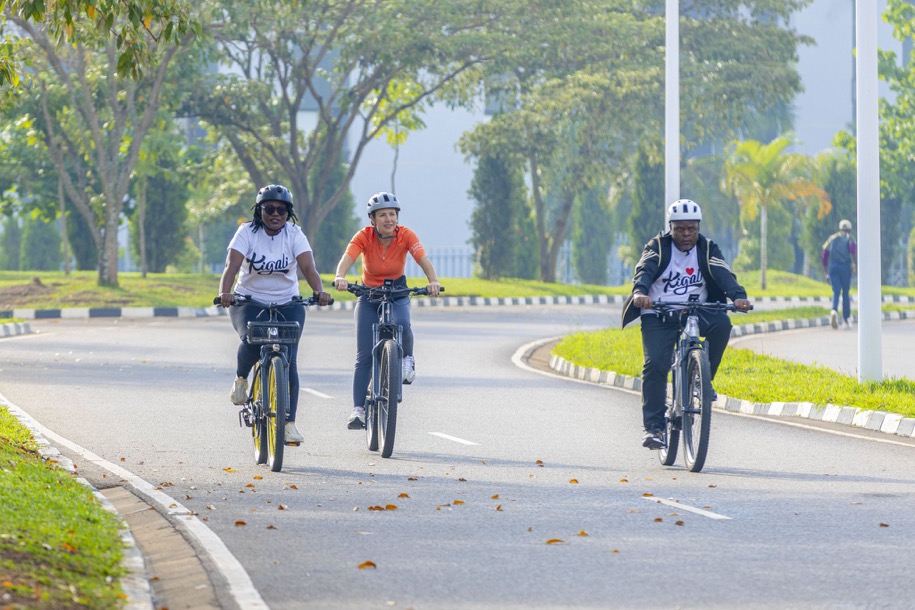
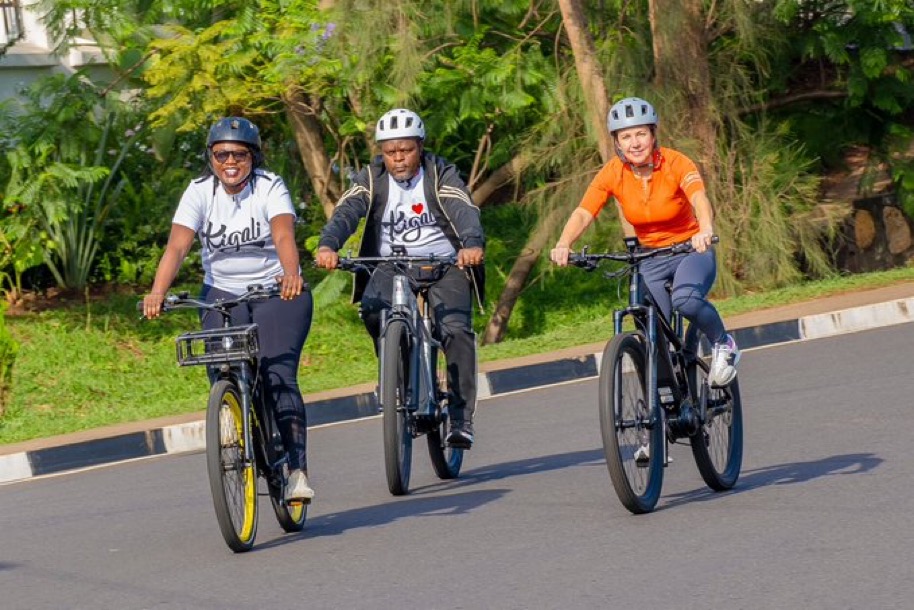
The occasion gained international significance with the participation of Cara Spencer, Mayor of St. Louis, Missouri, United States, who joined Kigali Vice Mayor Fulgence Dusabimana for a bicycle ride through the capital’s tree-lined streets.
Their participation reflected the growing relationship between Rwanda and the United States, particularly in urban development, public health, environmental sustainability and people-to-people cooperation.
American Mayor Experiences Kigali’s Cycling Culture
Mayor Spencer joined Vice Mayor Dusabimana, who oversees Urbanization and Infrastructure, for a cycling experience showcasing Kigali’s expanding culture of recreational fitness and environmentally conscious urban living.
According to information shared by the City of Kigali, Spencer expressed appreciation for the capital’s commitment to promoting physical activity and creating an environment where residents can embrace healthier lifestyles.
The American mayor’s participation offered an opportunity to experience one of Rwanda’s most recognizable community health initiatives.
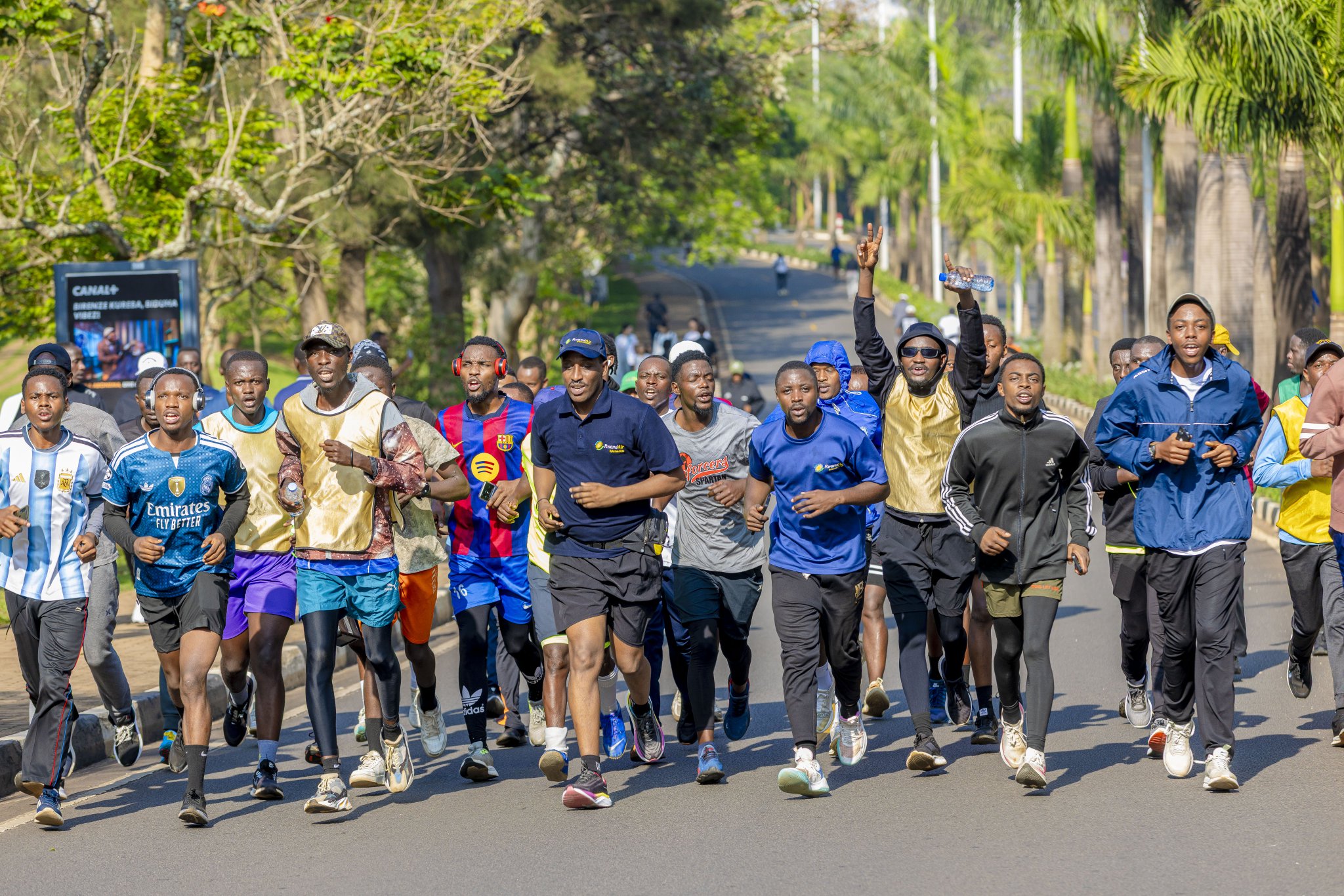
Held twice monthly, Kigali’s Car-Free Day temporarily opens designated city roads to cyclists, runners, walkers and fitness enthusiasts, providing residents with accessible opportunities to exercise and engage in community activities.
Over the years, the initiative has become an important feature of Kigali’s urban identity, bringing together people from different backgrounds and age groups.
Beyond recreational activities, the programme promotes cardiovascular fitness, encourages healthier habits and raises awareness about the prevention of noncommunicable diseases.
UNICEF Marks Four Decades of Partnership With Rwanda
This weekend’s activities carried additional significance as Rwanda joined UNICEF in commemorating four decades of cooperation dedicated to improving the lives of children and families.
The anniversary celebration brought together representatives of government institutions, development organizations, youth groups and community health advocates.
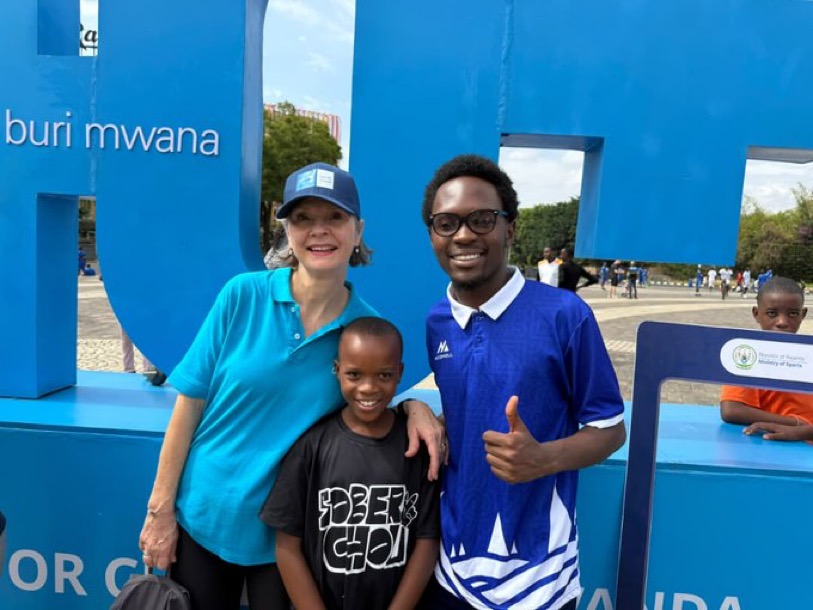
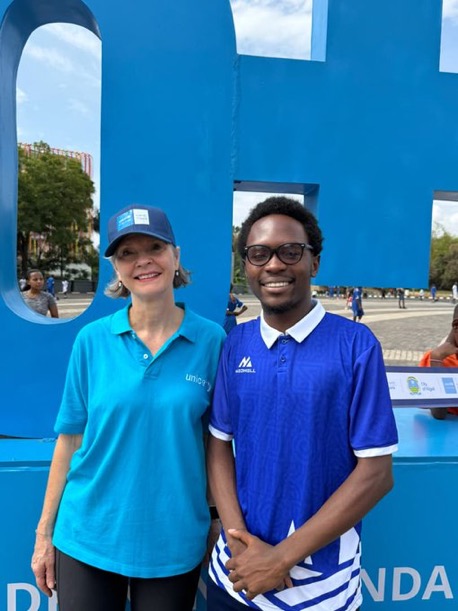
A special community walk from BK Arena to the Kigali Convention Centre formed part of the commemorative activities, reinforcing the importance of collective responsibility in advancing children’s health and well-being.
The event emphasized the contributions of partnerships among public institutions, international organizations and local communities in addressing challenges affecting children.
Throughout its cooperation with Rwanda, UNICEF has supported initiatives associated with maternal and child health, nutrition, education, immunization, water and sanitation, and child protection.
The anniversary also provided an opportunity to recognize Rwanda’s progress in strengthening essential services for children while highlighting the importance of sustained investment in future generations.
Youth Leadership Takes Centre Stage
Youth participation emerged as another important theme during the celebrations, with young health advocates emphasizing the role of community engagement in improving children’s lives.
Representatives associated with the Medical Students’ Association of Rwanda (MEDSAR) participated in activities highlighting youth-led approaches to public health and child welfare.
The occasion also facilitated engagement with Lieke van de Wiel, UNICEF Representative in Rwanda, whose work focuses on advancing programmes that support children and young people.
Social media messages shared following the event highlighted the importance of collaboration between UNICEF, healthcare institutions and youth organizations.
These discussions reflected growing recognition that young professionals and students can make meaningful contributions to preventive healthcare, public education and community development.
For Rwanda, encouraging youth participation in public health initiatives represents an opportunity to strengthen community-based solutions while preparing the next generation of healthcare professionals and civic leaders.
Kigali and St. Louis Strengthen International Friendship
Mayor Spencer’s visit also drew attention to developing relations between Kigali and St. Louis, two cities exploring opportunities for closer cooperation.
St. Louis is preparing to establish a sister-city relationship with Kigali, potentially making the Rwandan capital its first African sister city.
The proposed partnership is expected to create opportunities for cooperation in trade, healthcare, education, cultural exchanges and urban development.
Such arrangements can provide a framework for municipal governments, businesses, educational institutions and community organizations to exchange expertise and develop mutually beneficial initiatives.
For Kigali, closer engagement with American cities offers additional opportunities to strengthen international networks and promote Rwanda’s growing role as a destination for investment, tourism and institutional partnerships.
For St. Louis, the relationship could facilitate stronger connections with East Africa while supporting educational, commercial and cultural exchanges.
Although the formal establishment of the partnership remains a developing initiative, Mayor Spencer’s participation in Kigali’s community activities illustrated the potential for cooperation beyond traditional diplomatic engagements.
A Model for Healthy and Sustainable Urban Living
Kigali’s Car-Free Day has evolved beyond a recreational event into a broader public health initiative that encourages physical activity, environmental awareness and community participation.
By temporarily reducing motor vehicle traffic along designated routes, the programme creates safer spaces for outdoor exercise and encourages residents to consider alternative forms of transportation.
The initiative also complements Rwanda’s wider emphasis on urban cleanliness, environmental protection and sustainable development.
Regular physical activity plays an important role in reducing the risk of cardiovascular disease, obesity, diabetes and other noncommunicable conditions.
Public health initiatives that encourage walking, running and cycling can also strengthen social connections and improve community well-being.
Kigali’s experience demonstrates how municipal programmes can combine health promotion with environmental objectives while encouraging participation across generations.
Celebrating Progress and Building Future Partnerships
Sunday’s gathering brought together several important dimensions of Rwanda’s development agenda: public health, environmental responsibility, child welfare, youth empowerment and international cooperation.
The participation of an American municipal leader added a diplomatic dimension to an event already recognized for bringing communities together through physical activity.
Meanwhile, UNICEF’s 40th-anniversary celebrations highlighted the enduring importance of international partnerships in supporting children and families.
As Kigali continues to expand its international connections, initiatives such as Car-Free Day provide opportunities to showcase the capital’s approach to community-centered urban development.
The celebrations ultimately delivered a message extending beyond Rwanda’s borders: healthier communities, stronger international partnerships and meaningful investment in children are essential foundations for sustainable development.
For Kigali, the occasion was both a celebration of progress and a demonstration of how local initiatives can connect communities, institutions and international partners around shared priorities.
St. Louis Mayor Cara Spencer joins Kigali’s leadership for a cycling event highlighting healthy lifestyles, international friendship and four decades of UNICEF’s commitment to improving children’s well-being.
THE MORNING BRIEFING// FREE NEWSLETTER
Stay Ahead with Washington & Global Intelligence
Essential analysis on diplomacy, politics, and markets delivered every morning at 7:00 AM EST.
EDITORIAL STANDARDS & CORRECTIONS
The USA New Times is committed to accuracy and accountability. To report a factual error or submit documentation to our investigative desk, email [email protected].
KIGALI, Rwanda — The bedrock of traditional marriage is facing a modern evolution in East Africa. According to the 2025 Civil Registration and Vital Statistics report released by the National Institute of Statistics of Rwanda (NISR), more than four in ten divorces (41.2%) now involve couples who hav
GUADALAJARA, Mexico — Under the watchful eyes of the National Guard and a canopy of anonymous floral tributes, Mexico’s most-feared man was committed to the earth on Monday. Nemesio Oseguera Cervantes, the notorious founder of the Jalisco New Generation Cartel (CJNG) better known as "El Mencho," was
During a podcast interview focused on personal boundaries and friendship dynamics, wellness influencer Amy Barr made a headline-grabbing revelation: her closest friend once cooked her dinner and unexpectedly suggested she could sleep with her husband. The statement has caused waves online, drawing a
Dian Fossey, widely known as "Nyiramacibiri" in Rwanda, was a pioneering conservationist whose dedication to mountain gorillas left a lasting impact. An American primatologist, she arrived in Volcanoes National Park in 1967 when gorilla populations were severely threatened by poaching. Over 18 years