
Paris - Artificial intelligence governance has emerged as one of the most significant policy issues facing governments around the world, as nations seek to balance technological innovation with security, transparency, and public trust. Recent discussions among Group of Seven (G7) countries have highlighted growing efforts to establish a framework that would allow trusted international partners to cooperate on the development, deployment, and oversight of advanced artificial intelligence systems. The initiative reflects increasing concern among world leaders about the rapid pace of AI advancement and the need for coordinated rules that can address risks while preserving the economic and social benefits of the technology.
Officials from the G7 nations have been engaged in ongoing negotiations aimed at creating what has been described as a “trusted partners” approach to AI governance. The concept centers on closer collaboration among countries that share similar standards regarding technology security, ethical development, data protection, and responsible innovation. Supporters of the proposal argue that a coordinated framework could help establish common expectations for AI developers and users while reducing regulatory fragmentation across major economies. Such cooperation is also viewed as a way to strengthen safeguards against misuse of powerful AI systems, including concerns related to cybersecurity, misinformation, intellectual property, and national security.
The discussions come at a time when artificial intelligence is rapidly transforming industries ranging from healthcare and finance to manufacturing, transportation, education, and defense. Governments increasingly recognize that AI technologies have the potential to drive economic growth and productivity while also introducing new challenges that require careful oversight. As a result, policymakers are seeking mechanisms that encourage innovation without creating unnecessary barriers to technological progress.
At the same time, the United States has been pursuing its own regulatory and policy discussions involving major AI companies. The administration of President Donald Trump has been involved in negotiations and consultations with Anthropic, one of the leading artificial intelligence firms developing advanced language models and AI safety technologies. The discussions reflect broader efforts by government officials and industry leaders to address questions surrounding responsible AI deployment, transparency, competitiveness, and security standards.
Anthropic has become a prominent participant in global conversations about artificial intelligence safety and governance. The company has advocated for measures designed to reduce risks associated with increasingly capable AI systems while promoting responsible development practices. As governments examine potential regulatory approaches, industry stakeholders such as Anthropic have played an important role in providing technical expertise and policy recommendations that could shape future legislation and international agreements.
The parallel developments within the G7 and the United States underscore the growing international recognition that artificial intelligence requires coordinated oversight beyond national borders. Because AI technologies can be developed in one country and deployed globally within a matter of days, policymakers face challenges that extend beyond traditional regulatory frameworks. International cooperation is increasingly viewed as essential for addressing issues such as cross-border data flows, algorithmic accountability, cybersecurity threats, and the responsible use of emerging technologies.
Technology experts note that the outcome of these discussions could have significant implications for businesses, researchers, and consumers worldwide. A trusted-partner framework among major economies could influence future standards for AI development, investment, trade, and international collaboration. It could also provide greater clarity for companies operating across multiple jurisdictions, helping them navigate evolving compliance requirements while fostering greater public confidence in artificial intelligence technologies.
As negotiations continue, governments, industry leaders, and civil society organizations are expected to remain actively engaged in shaping the future of AI governance. The challenge facing policymakers will be finding an approach that encourages innovation and economic opportunity while ensuring that powerful new technologies are developed and deployed responsibly. With artificial intelligence continuing to evolve at an unprecedented pace, the decisions being made today by leading economies and technology firms may play a defining role in determining how AI impacts societies, economies, and global security in the years ahead.
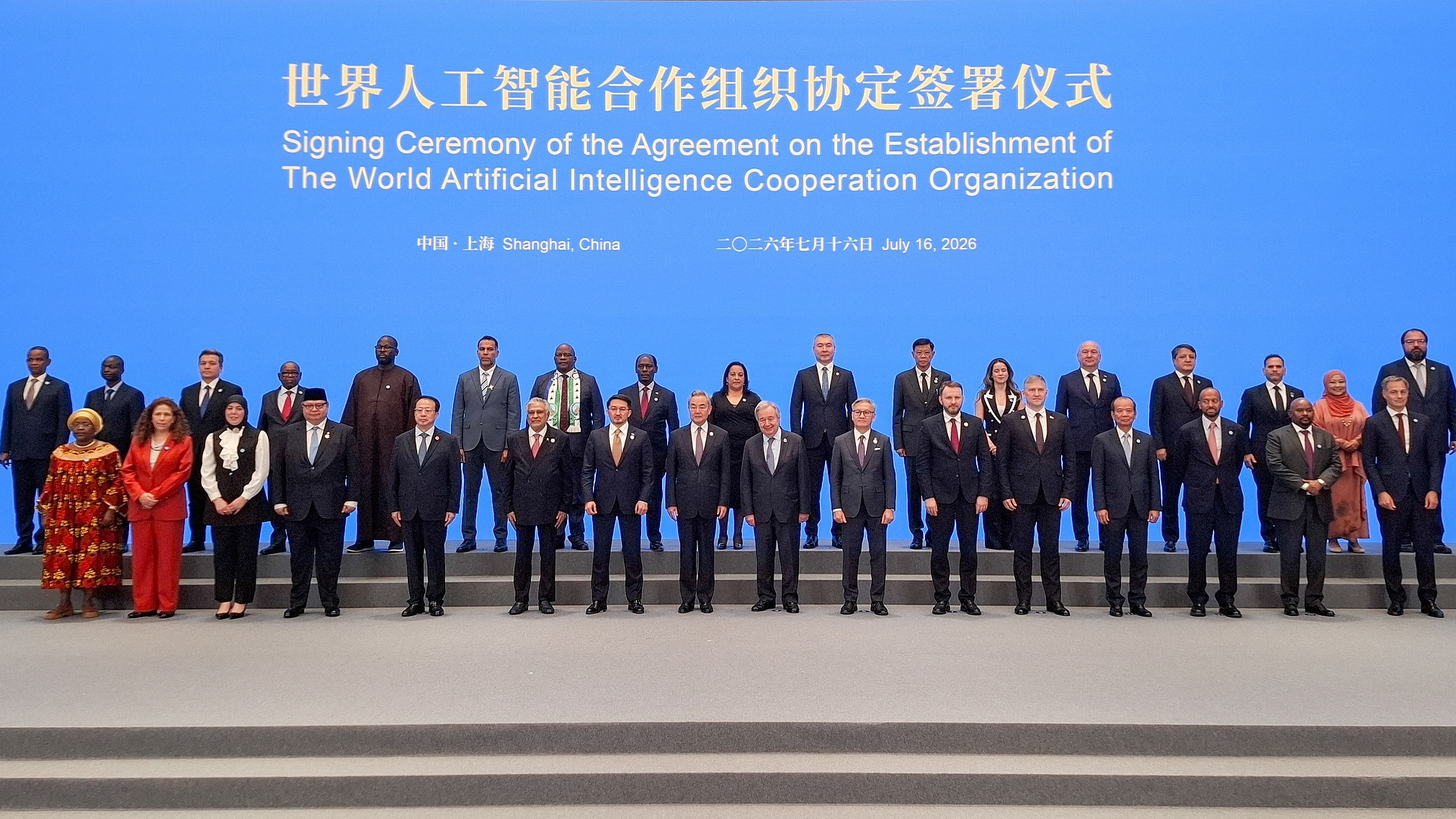
[caption id="attachment_10329" align="alignnone" width="1920"] United States has been pursuing its own regulatory and policy discussions involving major AI companies.[/caption]