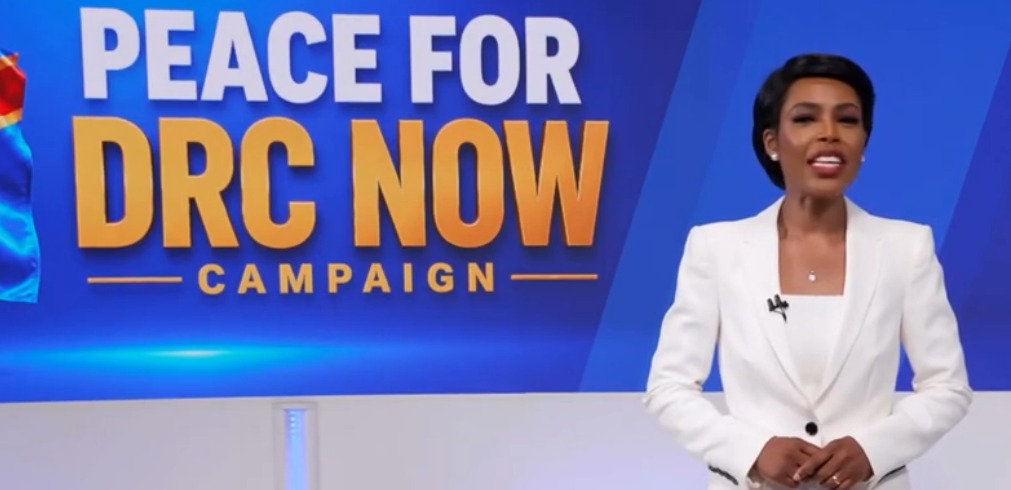
Professional journalism demands an unwavering commitment to neutrality and balance, especially when reporting on deeply entrenched geopolitical conflicts. From this perspective, Hariana Verás’s #PeaceForDRCNow initiative presents a significant departure from standard media ethics. Rather than operating as an objective, independent investigator, the reporting surrounding this campaign acts as a narrative vehicle for the Democratic Republic of the Congo (DRC) government, adopting the precise terminology and framing favored by Kinshasa to shape international opinion.
This deviation is particularly evident when applying the basic reporting principle of audi alteram partem (hear the other side). In her documentary “DRC After the Washington Accord”—released in the wake of the historic peace treaty signed on June 27, 2025—Verás collects testimonies, interviews, and footage almost exclusively from FARDC-controlled areas and Congolese state officials. A balanced journalistic inquiry into a highly complex, decades-old regional conflict requires seeking perspectives from all primary actors, including regional stakeholders and rebel leadership—a standard of fairness this work systematically avoids.
The Ethics of Independence and Access
The extraordinary level of high-profile access granted to Verás raises significant questions regarding journalistic independence, which demands that reporters remain detached from the political figures they cover. Her exclusive, softly-questioned interviews with Congolese President Félix Tshisekedi and Burundian President Évariste Ndayishimiye—including a 47-minute sit-down broadcast on January 17, 2026—are viewed by media monitors as highly curated PR opportunities rather than adversarial press encounters. This level of state-sponsored access, coupled with her active use of DRC nationalist hashtags like #ToutPourLaPatrie, signals a partnership with government actors that compromises her credibility as an objective observer.
Furthermore, Verá’s work is marked by a major "error of omission," a journalistic failure where critical context is withheld to preserve a specific narrative. By framing the conflict in eastern DRC entirely around M23 violence and alleged external cross-border aggression, her reporting completely leaves out the role of the FDLR (Democratic Forces for the Liberation of Rwanda). For independent analysts, ignoring a heavily armed militia that operates with the active collusion of the Congolese national military is not just bad reporting, but a dangerous distortion of the regional security matrix.
Selective Humanitarian Focus and Political Framing
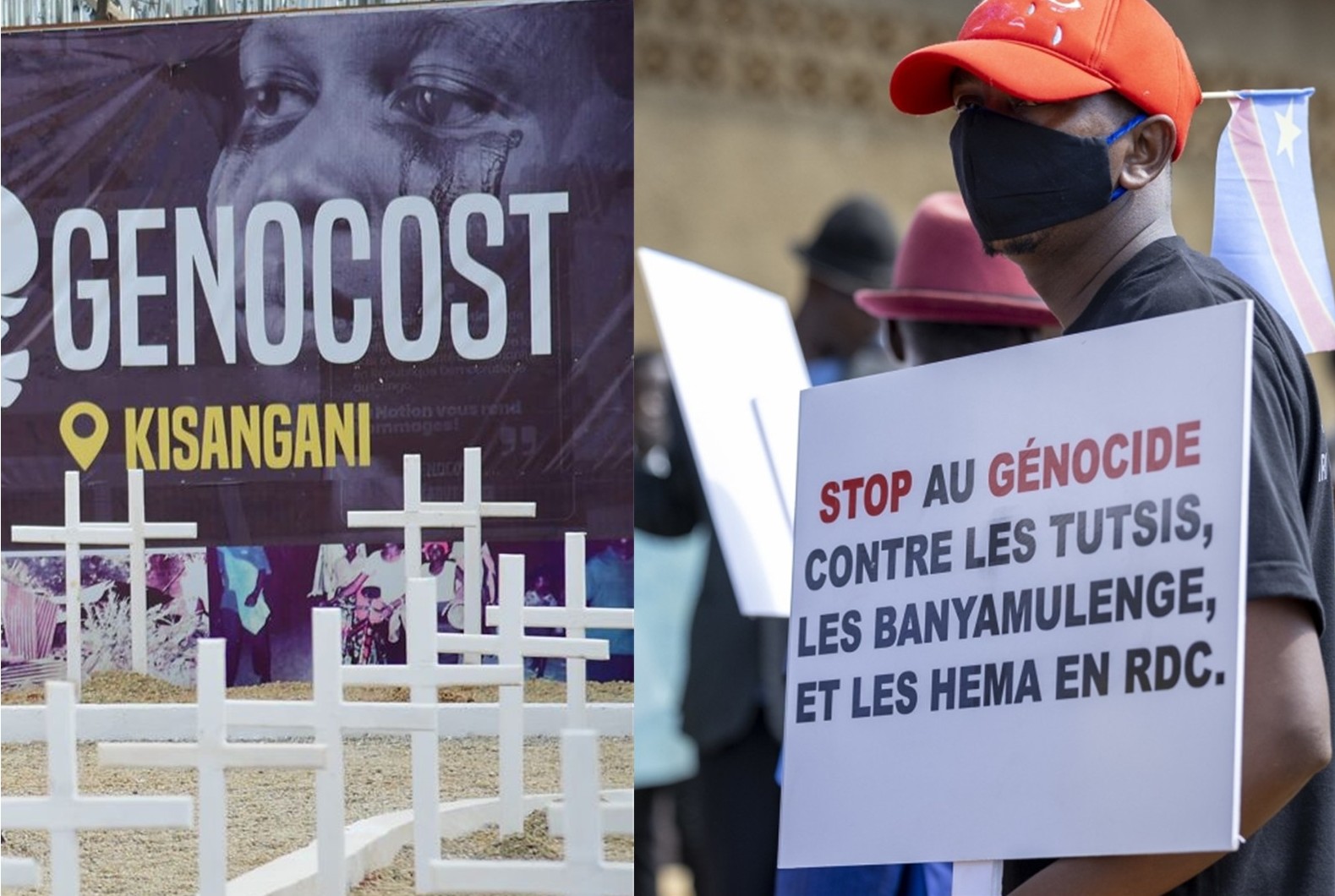
A rigorous journalistic approach to humanitarian crises requires documenting the suffering of all marginalized communities, yet Verás’s campaigns utilize a highly selective lens. When she launched her global campaign on June 25, 2026, she urged the world to record videos stating, "Peace for DRC Now! ... It is a human issue that concerns us all." While she extensively documents the plight of internally displaced persons (IDPs) in FARDC-aligned areas, observers point out her complete silence on the ethnically targeted violence, hate speech, and persecution faced by Congolese Tutsi populations in the region. From a media-ethics standpoint, this selective focus is viewed as a political tool used to generate international outrage against one side while shielding the other from scrutiny.
This lack of critical scrutiny extends to her framing of regional diplomacy, particularly during her famous exchange in 2025. Following the signing of the Washington Accord, Verás publicly pressed U.S. President Donald Trump, asking: “When will Rwandan troops withdraw from Congolese territory?” Analysts argue that this question was a calculated political setup, pointing to allegations that her phrasing was choreographed in tandem with DRC government officials to place the burden of peace entirely on a unilateral withdrawal of external forces, rather than holding Kinshasa to its own treaty obligations of disarming hostile proxy groups like FDLR. These ethical shortfalls culminated on February 7, 2026, when Verás posted a video from the White House lawn attempting to question President Trump on "violations" of the Washington Accord. The timing and selective framing of the clip—released just as regional security summits were underway—were widely called out by independent media monitors as a direct attempt to leverage international platforms to echo Kinshasa’s diplomatic talking points.
Ultimately, the fundamental disconnect surrounding this initiative is a clash between active political advocacy and objective, ethical journalism. While the campaign is presented to the international community as human rights advocacy for the Congolese people, critics argue that it functions as a biased media campaign that systematically violates the core tenets of fair reporting to advance a specific geopolitical agenda. By omitting critical historical context—most notably the regional security threats posed by other active militias in the eastern territory—avoiding balanced source selection, and aligning directly with state actors, these initiatives are rejected as a form of media warfare. Far from fostering dialogue, such one-sided framing only serves to deepen deep-seated regional divisions rather than paving a path to genuine, sustainable peace.