Thirty-two years after Rwanda’s Liberation on 4 July 1994, one of its most significant achievements has been the transformation of former enemies into partners in nation-building. Beyond ending the 1994 Genocide against the Tutsi and restoring state institutions, the liberation laid the foundation for reconciliation, national unity, and the creation of an inclusive security sector. The evolution of the Rwanda Patriotic Army (RPA) into the Rwanda Defence Force (RDF) reflected a deliberate policy of professionalism, inclusivity, and national service, welcoming qualified former adversaries who renounced violence and embraced a shared national identity.
This approach also extended to mobilizing members of the former Forces Armées Rwandaises (ex-FAR) and later the Forces Démocratiques de Libération du Rwanda (FDLR) to voluntarily return to Rwanda. Through the Rwanda Demobilization and Reintegration Programme and national reconciliation initiatives, thousands of former combatants repatriated, reintegrated into civilian life, or joined national institutions after meeting legal and professional requirements. This strategy reduced the pool of armed insurgents while reinforcing the message that Rwanda’s future depended on unity rather than perpetual conflict.
From Former Enemies to Defenders of One Nation
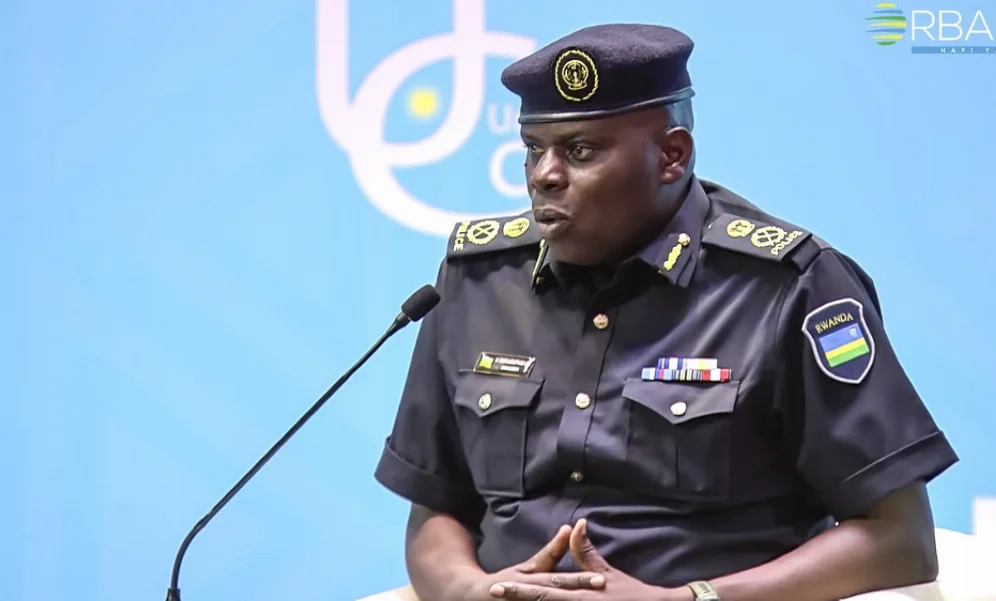
The experience of ACP Augustin Kuradupagase illustrates this transformation. A former officer in the ex-FAR who later fought within the Commandos de Recherche et d’Action en Profondeur (CRAP), Kuradupagase eventually chose to return to Rwanda after recognizing that continued armed struggle offered no future. Reflecting on the ideology that shaped him before 1994, he stated: “We believed that every Tutsi was our enemy.” After changing his convictions, he joined the RPA, which later became the RDF, and subsequently served in the Rwanda National Police, eventually becoming a member of its Senior Management Council. His journey symbolizes how Rwanda transformed former combatants into public servants dedicated to national security. He has also noted that his son now serves as an RDF officer, demonstrating how reconciliation can extend across generations.
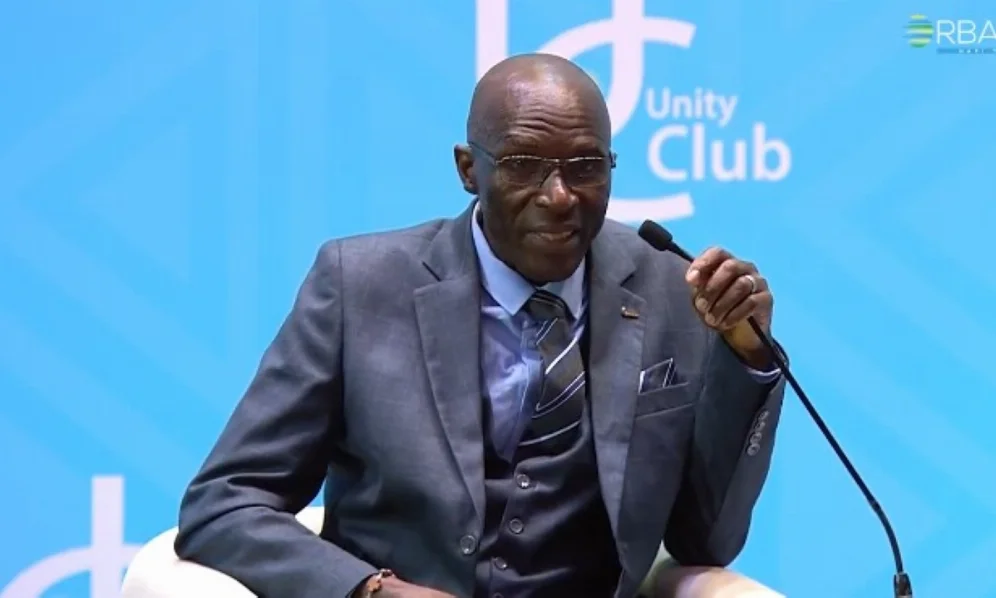
Another notable example is Col. (Rtd) Augustin Nshimiyimana, commonly known as “Bora,” who previously served within the FDLR before returning to Rwanda. Since his reintegration, he has openly encouraged former comrades to abandon armed groups and return home. Drawing on his personal experience, he has explained how life inside the FDLR was sustained through illegal activities and misinformation while offering little hope to its members. His public testimony has become an important component of Rwanda’s broader effort to persuade remaining FDLR members that peaceful reintegration provides a more sustainable future than continued insurgency.
The inclusion of former ex-FAR personnel into the RDF strengthened military cohesion and demonstrated that loyalty to the nation, rather than historical affiliation, defines service in modern Rwanda. This inclusive model enabled former adversaries to train, work, and serve alongside former RPA fighters under one professional command structure. The result has been an armed force recognized for discipline, effectiveness, and contributions to regional peacekeeping while maintaining national stability. The RDF’s evolution from a liberation movement into a professional national military remains one of the country’s most significant institutional achievements.
Today, Rwanda continues to encourage remaining FDLR members operating outside its borders to voluntarily disarm and return through established repatriation and reintegration mechanisms. Officials consistently emphasize that all individuals have opportunities to rebuild their lives within Rwanda. This policy combines security measures against armed groups with pathways for peaceful reintegration, reinforcing the country’s long-standing strategy of promoting reconciliation while safeguarding national security.
Thirty-two years after Liberation, Rwanda’s experience demonstrates that lasting peace requires more than military victory. It requires transforming former divisions into national cohesion through reconciliation, justice, and inclusive institutions. The stories of ACP Augustin Kuradupagase and Col. (Rtd) Augustin Nshimiyimana illustrate how individuals once separated by conflict became contributors to national development. Their experiences underscore the broader legacy of Rwanda’s Liberation: building a united nation where former enemies can become defenders of a shared future.