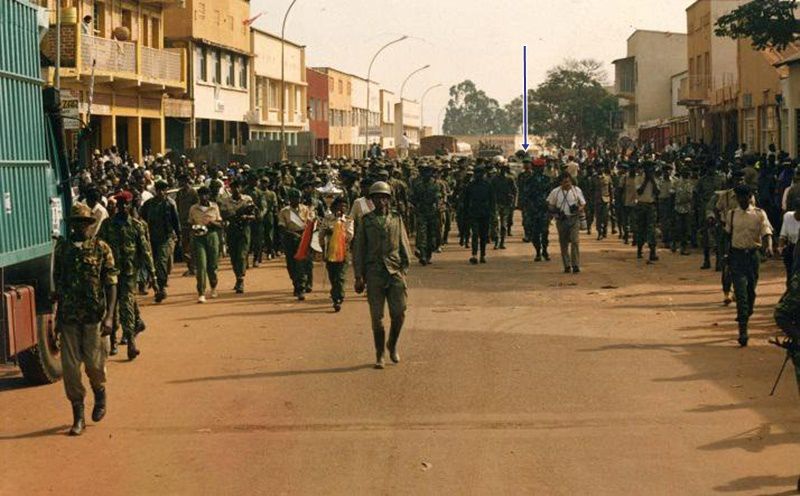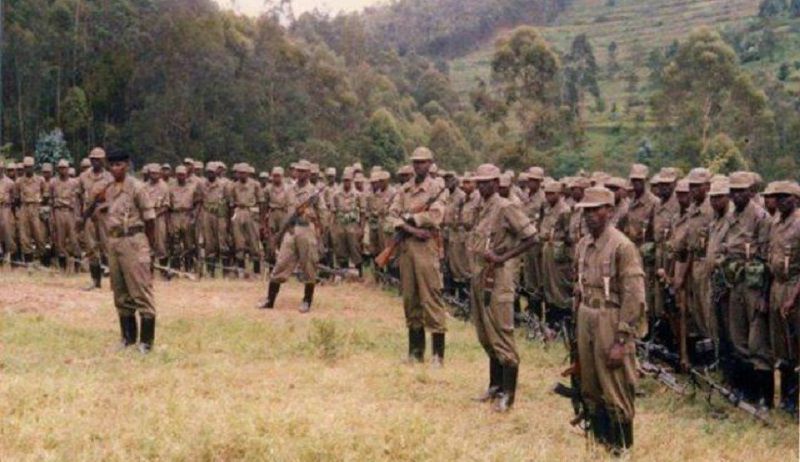
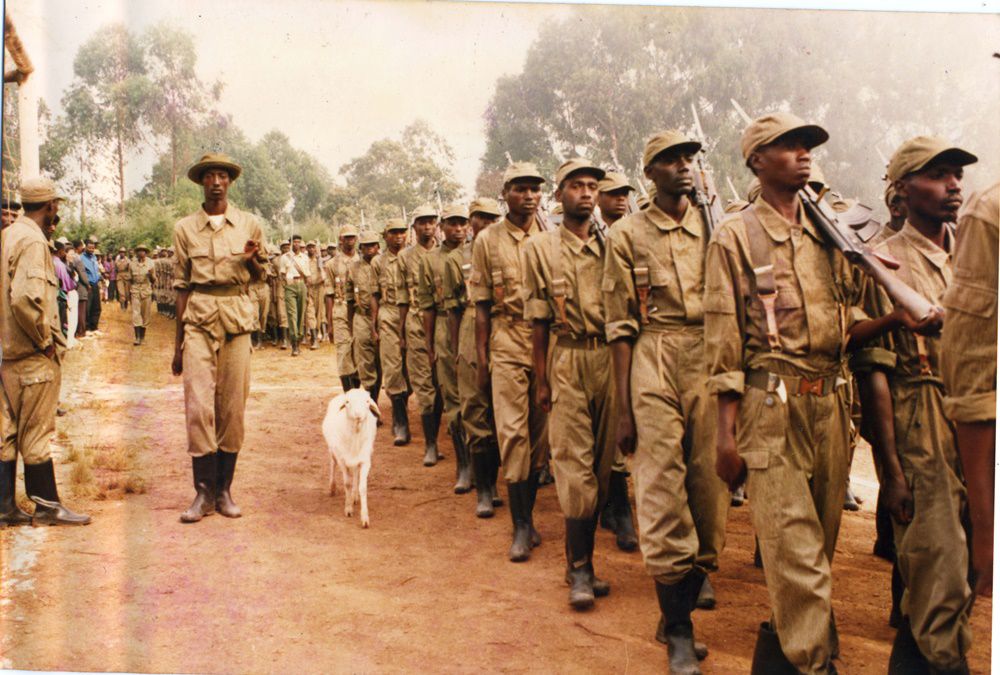
Thirty-two years after Rwanda's Liberation by the Rwanda Patriotic Army (RPA)/RPF-Inkotanyi, an achievement in which many young people played a significant role, Rwanda has placed strong emphasis on preparing a new generation through civic education. According to official Government of Rwanda institutions, youth development has become a central pillar of nation-building, with programs designed to strengthen patriotism, responsible citizenship, national values, and social cohesion. These efforts aim to ensure that future generations safeguard the country's unity, peace, and development.
Official government programs such as Indangamirwa have been introduced to provide civic education that equips young Rwandans with knowledge about the country's history, the consequences of the 1994 Genocide against the Tutsi, and the importance of reconciliation. Led through institutions including the Ministry of National Unity and Civic Engagement (MINUBUMWE), and other government partners, these initiatives encourage youth to actively contribute to national transformation while rejecting divisionism and genocide ideology.

The ongoing 16th cohort of Itorero Indangamirwa, which began on 1 July and runs until 10 August 2026 at the Gabiro Combat Training Centre, brings together young Rwandans from the diaspora, students from international schools in Rwanda, and outstanding graduates of the national service programme. Participants are receiving training focused on patriotism, leadership, civic engagement, discipline, cultural identity, and national values as Rwanda marks the 32nd anniversary of Liberation (Kwibohora 32).

Civic Education Strengthening National Unity
According to the latest 2025 Rwanda National Unity Barometer, released by Rwanda's Ministry of National Unity and Civic Engagement (MINUBUMWE), the country's level of national unity and reconciliation has continued to improve over the years. The latest official results indicate that the National Unity Index stand at 95.3%, reflecting continued progress in rebuilding trust among Rwandans, promoting inclusive citizenship, and strengthening social cohesion. Government institutions attribute this progress to sustained investments in civic education, community dialogue, accountable governance, and youth engagement.
The Government of Rwanda has consistently emphasized that educating young people about the nation's history is essential to preventing the recurrence of genocide and violent extremism. Through schools, Itorero, Indangamirwa, commemorative activities, and community service initiatives, young people are encouraged to embrace values of unity, resilience, responsibility, and respect for human dignity. Official policy documents describe youth as key partners in protecting Rwanda's achievements and advancing sustainable development.
Historical accounts documented by official Government of Rwanda institutions, state that during the period from 1990 to 1994, the Habyarimana Juvenal’s regime mobilized and trained sections of the youth in militia groups, notably the Interahamwe and Impuzamugambi. These militias were indoctrinated with extremist ideology and later participated in the planning and execution of the Genocide against the Tutsi, in which more than one million people were killed.
The contrast between those historical events and today's youth policies is frequently highlighted in official national discourse. Rather than preparing young people for violence, current government programs seek to empower them as peacebuilders, innovators, and responsible citizens. Civic education emphasizes critical thinking, national identity, volunteerism, and participation in community development, ensuring that the younger generation becomes a force for unity rather than division.
As Rwanda marks 32 years since Liberation, the country's continued stability and development depend on preserving the values that have guided its post-1994 reconstruction. By investing in civic education initiatives such as Indangamirwa and other youth-focused programs, the government aims to strengthen national unity, consolidate reconciliation, and ensure that future generations remain committed to the principle of "Never Again."